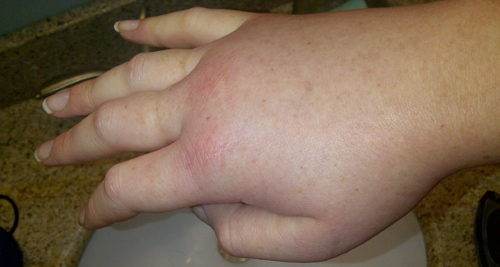
Angioedema Overview
Angioedema is a sudden and severe swelling of the deeper layers of the skin and mucous membranes, often affecting the face, lips, tongue, throat, and sometimes the hands, feet, or genitals. It can occur on its own or alongside urticaria (hives) and may result from allergic reactions, medications, or genetic factors.
Unlike a rash, this condition occurs beneath the skin’s surface and may appear without visible redness or itching. In some cases, it causes only mild discomfort. However, in some cases, particularly when the airway is involved, it becomes a medical emergency because of the risk of suffocation.
Common symptoms include:
- Rapid swelling, especially of the face and throat
- Difficulty breathing or swallowing
- Swollen eyelids or lips
- Abdominal pain (in some types)
- Minimal or no itching (unlike typical allergic rashes)
How Long Does Angioedema Last?
This may last a few hours to a few days and often resolves on its own, but recurring or severe cases need medical evaluation and treatment.
In the next section, we’ll explore the main causes and different types.
👉 [Next: Causes and Types of Angioedema]