Diagnosis of a Broken Leg
Diagnosis of a Broken Leg is based on physical examination and confirmed through imaging. Accurate diagnosis of a broken leg helps determine the fracture type, severity, and the best course of treatment. Early diagnosis is key to avoiding complications like nerve damage, malunion, or delayed healing.
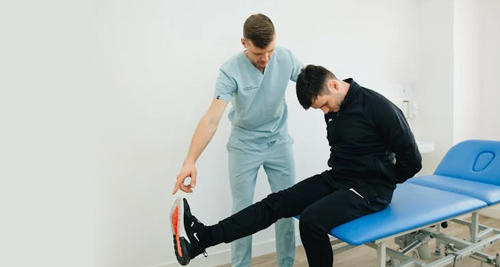
A doctor will begin with a clinical exam, asking how the injury happened and evaluating the leg for swelling, bruising, deformity, and tenderness. The patient may be asked to move the leg or foot slightly, though unnecessary movement is avoided to prevent worsening the injury.
Palpation (gentle pressing) helps locate the precise point of pain and assess bone stability. Doctors also check the colour, temperature, and pulse of the foot to ensure adequate blood flow and no vascular compromise.
X-rays are the primary diagnostic tool. They reveal whether the bone is cracked, fully broken, displaced, or shattered. X-rays are taken from multiple angles and sometimes include the knee and ankle to check for associated injuries.
Diagnosis of a Broken Leg
CT scans may be ordered for more complex injuries, particularly if surgery is planned or if the fracture involves the joint surface. CT imaging provides a three-dimensional view that helps surgeons prepare for internal fixation.
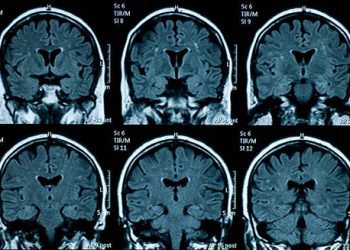
MRI is used less often but may be helpful in identifying stress fractures, ligament injuries, or soft tissue damage that doesn’t show up on X-ray. This is especially useful in athletes or those with recurring leg pain without a clear break on imaging.
In children, growth plates complicate the picture. What appears as a fracture on X-ray may actually be normal growth. Paediatric orthopaedic input is often necessary to ensure proper interpretation and treatment.
A correct diagnosis of a broken leg ensures timely treatment and better recovery. Misdiagnosed or missed fractures can lead to poor bone healing, deformity, or the need for corrective surgery later.
[Next: Treatment of a Broken Leg →]