Causes of Brucellosis
Causes of brucellosis centre around the transmission of Brucella bacteria from animals to humans. The leading causes of brucellosis include consuming unpasteurised dairy products, direct contact with infected animals, and occupational exposure in veterinary and agricultural settings.
Brucella bacteria live in the reproductive organs, milk, and other bodily fluids of infected animals. Humans most often contract the disease by ingesting unpasteurised milk, cheese, or yoghurt from infected goats, sheep, or cows. In many rural areas, pasteurisation is not routine, increasing the risk of transmission.
Another significant cause is direct contact with animals or their secretions. Farmers, butchers, and veterinarians may handle placentas, aborted foetuses, or infected blood without adequate protective gear. The bacteria enter the body through small skin wounds, cuts, or mucous membranes in the eyes, nose, or mouth.
People can also inhale brucellosis bacteria in certain environments, such as laboratories or farms. Laboratory technicians handling Brucella cultures and slaughterhouse workers exposed to aerosolised particles face a higher risk of infection. Airborne transmission, while rare in the general public, is a known risk in occupational settings.
The disease rarely spreads between people, but transmission can occasionally occur through blood transfusion, sexual contact, or from mother to baby during birth or breastfeeding.
Causes of Brucellosis
Animals become infected by eating contaminated feed, licking aborted foetal tissue, or coming into contact with contaminated environments. Infected livestock often show few signs, making the bacteria difficult to detect without specific testing.
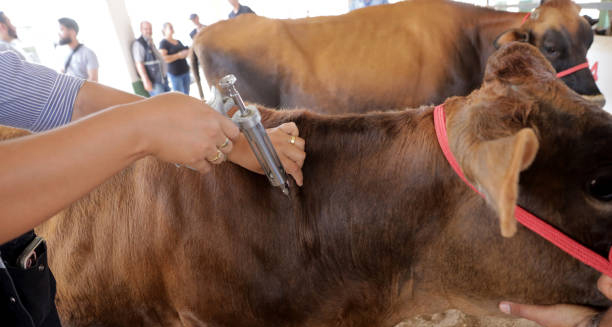
In regions where animal vaccination programmes are not well enforced and where people consume raw dairy, the causes of brucellosis are deeply rooted in both agricultural and cultural practices. Prevention focuses on animal health, food safety, and occupational hygiene.
[Next: Symptoms of Brucellosis →]