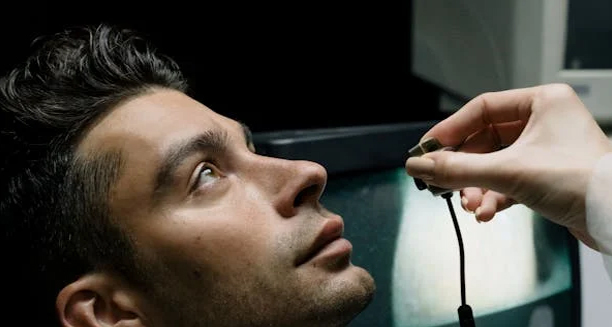
Treatment of Cataracts
Treatment of cataracts focuses on restoring clear vision and improving daily functioning. While early treatment of cataracts may involve adjusting lifestyle or eyeglasses, the only effective cure is surgery to replace the cloudy lens with a clear artificial one.
In the early stages, symptoms can be managed with simple strategies:
- Brighter lighting at home or work
- Magnifying lenses for reading
- Wearing anti-glare sunglasses
- Updating your glasses prescription more frequently
These adjustments can help you maintain function while cataracts are still mild. However, they don’t stop the progression.
When vision becomes significantly impaired and interferes with activities like driving, reading, or working, cataract surgery is recommended. It’s one of the safest and most successful surgeries performed worldwide.
During surgery:
- The cloudy lens is removed
- An artificial intraocular lens (IOL) is inserted
- No stitches are typically needed, and the procedure takes less than 30 minutes
Types of IOLs available:
- Monofocal lenses (most common): clear vision at one distance
- Multifocal lenses: correct both near and far vision
- Toric lenses: correct astigmatism as well
Patients can usually go home the same day and return to light activities within a few days. Full visual recovery often occurs within 4–6 weeks.
Complications are rare, but as with any surgery, risks include infection, bleeding, retinal detachment, or lens dislocation. Most are treatable with prompt care.
Treatment of Cataracts
In addition to surgery, post-operative care is crucial. This includes using prescribed eye drops, protecting the eye from injury, and attending follow-up appointments to monitor healing and vision improvement.
With early planning and proper care, treatment of cataracts can significantly enhance quality of life, independence, and overall well-being.
[Next: Complications and Recovery from Cataracts →]