Mental Matters

Mental Matters

  • Health & Wellness
  • Mental Health
  • Live Better
  • Directory
  • Articles & Guides
  • Advertise
  • Blog
  • Fields
  • Health & Wellness
  • Mental Health
  • Live Better
  • Directory
  • Articles & Guides
  • Advertise
  • Blog
  • Fields
  • Health & Wellness
  • Mental Health
  • Live Better
  • Directory
  • Articles & Guides
  • Advertise
  • Blog
  • Fields
  • Health & Wellness
  • Mental Health
  • Live Better
  • Directory
  • Articles & Guides
  • Advertise
  • Blog
  • Fields

Treatment for Syndromic Craniosynostosis

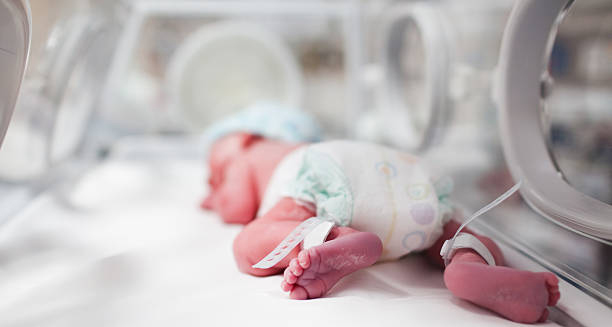
Newborn baby lying in an incubator with medical monitoring, representing early treatment for craniosynostosis.

Early treatment of craniosynostosis often involves surgical correction to allow normal skull growth.

Treatment of Craniosynostosis

Treatment of craniosynostosis depends on the severity of the condition, which sutures are affected, and whether it is syndromic or non-syndromic. The main goal of treating craniosynostosis is to correct skull shape, relieve any pressure on the brain, and allow for normal brain growth and development.

Surgical Intervention

Most moderate to severe cases require surgery, ideally performed before 12 months of age to take advantage of the skull’s natural flexibility.

Types of Surgery

Cranial vault remodelling: Involves removing and reshaping affected parts of the skull

Endoscopic strip craniectomy: A minimally invasive option for infants under six months, involving small incisions and removal of the fused suture

Spring-assisted surgery or helmet therapy: Used in some cases after endoscopic surgery to guide skull growth

Surgery is typically performed by a craniofacial surgical team and may require a short hospital stay and post-operative care.

Non-Surgical Management | Treatment of Craniosynostosis

In mild cases or when surgery is not immediately necessary, doctors may recommend:

Helmet therapy: A custom-fitted helmet gently reshapes the skull over time

Regular monitoring: To track skull growth and ensure brain development is not affected

Helmet therapy is usually most effective when started before 12 months of age and worn for several months under professional supervision.

Treatment for Syndromic Craniosynostosis

Children with syndromic forms may require multiple surgeries and ongoing medical care, including:

Facial surgery for mid-face or orbital corrections

Airway and hearing assessments

Developmental therapy and educational support

A coordinated team of specialists is essential for these cases, as multiple organ systems may be involved.

Post-Surgical Care

Recovery includes:

Follow-up imaging to assess bone growth

Monitoring for signs of raised intracranial pressure

Support for speech, motor, or cognitive delays if present

In summary, treatment of craniosynostosis often involves surgery to correct skull shape and relieve pressure. With timely intervention and multidisciplinary care, most children experience excellent long-term outcomes.

[Next: Complications and Recovery from Craniosynostosis →]

Craniosynostosis
Symptoms of Craniosynostosis
Causes of Craniosynostosis
Diagnosis of Craniosynostosis

Related Posts

Woman holding her head in pain showing symptoms of Chiari malformation
Chiari Malformation

Symptoms of Chiari Malformation

June 13, 2025

Symptoms of Chiari Malformation Symptoms of Chiari malformation vary significantly depending on...

Causes and Risk Factors of Acute Lymphoblastic Leukaemia
Acute Lymphoblastic Leukaemia

Causes and Risk Factors of Acute Lymphoblastic Leukaemia

June 6, 2025

Causes and Risk Factors of Acute Lymphoblastic Leukaemia The exact cause of...

Mental Matters

Facebook Instagram

Your Weekly Dose of Mental Health Support
– Straight to Your Inbox

  • Your journey to better mental health starts here—with expert insights and helpful resources delivered weekly.


© 2025 Mental Matters. All rights reserved. The content on this website is intended for informational purposes only and does not constitute medical advice, diagnosis, or treatment. Please consult a qualified health professional for any medical concerns.

Quick Links

  • Directory

  • Advertise

  • Conditions

  • Real Talk

  • Eating Disorders

  • Depressed

  • Autism

  • Community

  • Resources

About

  • Get In Touch

  • Home

  • Privacy Policy

  • Suicide Prevention Support

  • Terms & Conditions

© 2025 Mental Matters. All rights reserved.

No Result
View All Result
  • Health & Wellness
  • Mental Health
  • Live Better
  • Directory
  • Articles & Guides
  • Advertise
  • Blog
  • Fields

© MENTAL MATTERS 2024