Craniosynostosis – Overview
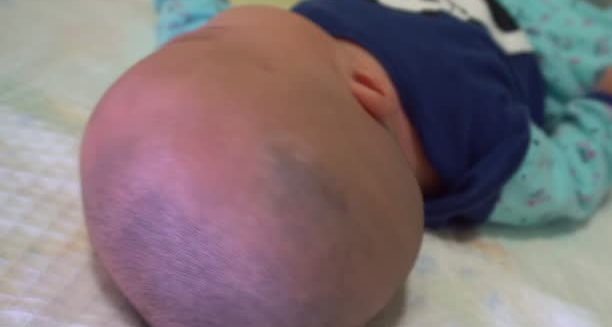
Craniosynostosis is a birth defect in which one or more of the sutures in a baby’s skull close too early. Before the brain has finished growing. This premature fusion affects the shape of the head and may increase pressure inside the skull. Craniosynostosis can vary in severity. Depending on how many sutures are involved and whether it occurs as part of a genetic syndrome or in isolation.
The human skull is made up of several bones joined by flexible sutures. Furthermore, allowing the skull to expand as the brain grows. In craniosynostosis, these sutures fuse too early, forcing the brain to grow in the direction of the remaining open sutures. This results in an abnormally shaped head, and in severe cases, it can lead to developmental delays, visual impairment, and neurological issues.
Craniosynostosis
Craniosynostosis can be non-syndromic, which means it occurs without other abnormalities, or syndromic, where it is associated with genetic conditions such as Apert, Crouzon, or Pfeiffer syndrome. Non-syndromic cases are more common and typically involve just one suture.
Early detection and treatment are crucial. In many cases, surgery is required to correct the shape of the skull and allow the brain to grow normally. When treated promptly, the long-term outlook is often positive.
In summary, craniosynostosis is a condition involving premature skull suture fusion that affects head shape and brain development. With early diagnosis and appropriate intervention, most children go on to lead healthy lives.
Importance of Early Intervention
Early diagnosis of craniosynostosis is key to achieving the best possible outcomes. Pediatricians and specialists often detect abnormal head shapes during routine check-ups, prompting imaging tests to confirm the diagnosis. When addressed promptly — usually within the first year of life — surgical treatment can relieve pressure on the brain, correct deformities, and support normal development. Delays in treatment may increase the risk of complications, highlighting the importance of early intervention.
Supporting Families and Long-Term Outlook
Raising a child with craniosynostosis can be emotionally challenging for families, especially in syndromic cases requiring multiple surgeries or ongoing care. Support groups, genetic counselling, and coordinated medical care can ease the journey. Fortunately, with appropriate medical and surgical management, many children go on to reach developmental milestones and lead healthy, active lives. Advances in surgical techniques and multidisciplinary care continue to improve both cosmetic and functional outcomes.
[Next: Causes of Craniosynostosis →]