Mental Matters

Flat Feet

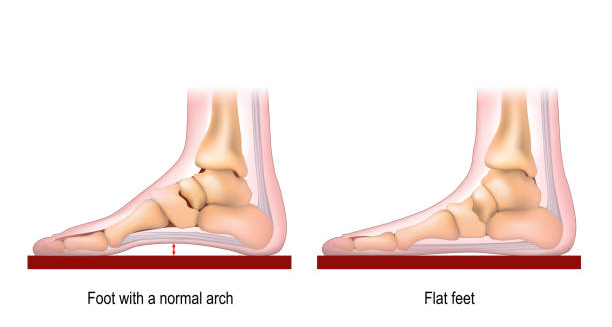
Medical illustration comparing flat feet and a normal foot arch

Flat Feet

Flat Feet This condition, flat feet—also known as fallen arches—refer to a condition where the arches on the inside of the feet are flattened, allowing the entire sole to touch the ground when standing. This condition can be present from birth or develop over time due to injury, ageing, or certain health conditions. In many people, this condition cause no problems and require no treatment. However, for others, the condition may lead to pain, fatigue, poor posture, or increased risk of injuries. Discomfort is often felt in the feet, ankles, knees, hips, or lower back due to altered biomechanics during walking or standing. Flat feet may be flexible (the arch appears when the foot is lifted but disappears when standing) or rigid (the arch is always absent). Some people develop this condition after years of normal arches—a condition known as adult-acquired flatfoot. Flat Feet Although this condition are common and often harmless, they can interfere with mobility and physical performance. Identifying symptoms early allows for conservative treatment, such as insoles, supportive footwear, and physiotherapy, helping to avoid long-term complications. Raising awareness about this condition supports better foot care and helps individuals seek help when discomfort or mobility issues arise. [Next: Causes of Flat Feet →]
Flat Feet Read More »

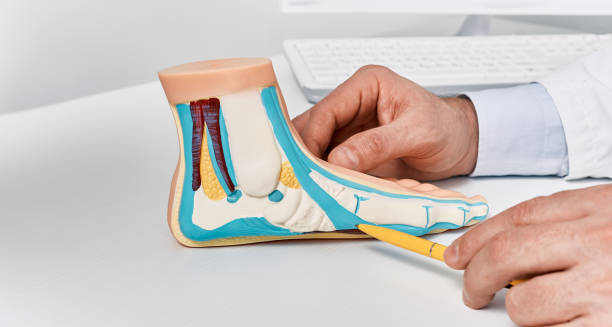
Doctor pointing at anatomical foot model showing flat feet causes

Causes of Flat Feet

Causes of Flat Feet The causes of flat feet range from genetics to injury and medical conditions. Flat feet can develop at any age, although the underlying reason often varies depending on when the condition appears. Congenital (Present at Birth) Some people are born with flat feet due to underdeveloped arches It is common in infants and young children, and most develop arches naturally by age six If arches do not form, the person may have flexible flat feet, which usually remain symptom-free Ageing and Wear-and-Tear Arches can collapse gradually over time due to the weakening of posterior tibial tendons This process often begins in middle age, particularly in women Ligament laxity, poor footwear, and years of standing or walking on hard surfaces can contribute Injury and Trauma Sprains, fractures, or tendon tears around the ankle or foot can alter foot structure Damage to the posterior tibial tendon is a leading cause of adult-acquired flatfoot Severe or untreated injuries can lead to progressive arch collapse Obesity and Pregnancy Excess weight places additional pressure on the arches, stretching ligaments and tendons Pregnancy-related hormonal changes can temporarily weaken foot structures, causing flat feet Repeated pregnancies or long-term obesity increase the likelihood of permanent arch collapse Medical Conditions Flat feet are also associated with: Arthritis, particularly rheumatoid arthritis, which can affect foot joints Diabetes, due to nerve damage and poor circulation Tarsal coalition, a rare condition where foot bones fuse together, limiting mobility Hypermobility syndromes, such as Ehlers-Danlos syndrome Poor Footwear | Causes of Flat Feet Long-term use of unsupportive shoes, such as flip-flops or flat-soled trainers, can contribute High heels may also affect foot mechanics and worsen flatfoot over time Understanding the causes of flat feet helps clinicians and individuals choose the right interventions to prevent worsening symptoms and maintain foot function throughout life. [Next: Symptoms of Flat Feet →]

Causes of Flat Feet Read More »

Symptoms of Flat Feet

Symptoms of Flat Feet

Symptoms of Flat Feet The symptoms of flat feet vary widely depending on the cause, severity, and whether the condition is flexible or rigid. While many people with flat feet have no discomfort at all, others may experience ongoing pain, instability, and fatigue, especially during physical activity. Common Symptoms Pain in the arch or heel, especially after standing or walking Swelling along the inside of the ankle Tired or aching feet, particularly at the end of the day Difficulty standing on tiptoe, which may indicate tendon weakness Foot flattening, visible when the sole of the foot touches the ground completely Frequent ankle rolling or instability Pain can also radiate to other joints, including: Knees, due to altered leg alignment Hips, from compensatory walking patterns Lower back, from posture changes and muscle strain Gait Changes People with flat feet may walk differently: Feet may point outward (overpronation) Steps may feel less stable or more tiring Footwear may wear unevenly, especially along the inner edge These gait issues can contribute to shin splints, plantar fasciitis, and other overuse injuries. Symptoms in Children Children with flat feet often show: Reluctance to participate in physical activities Complaints of tired legs or foot pain after walking “Clumsy” movements or frequent tripping Many children grow out of flexible flat feet, but persistent or painful cases should be evaluated by a paediatric podiatrist or orthopaedic specialist. When to Seek Help | Symptoms of Flat Feet Medical advice is recommended if: Foot pain interferes with daily life Symptoms are worsening or linked to injury Arch collapse is recent or progressive One foot is more affected than the other Left untreated, flat feet may lead to long-term joint stress and loss of mobility. Recognising the symptoms of flat feet early allows for conservative treatment that can ease discomfort, correct gait, and preserve musculoskeletal health. [Next: Diagnosis of Flat Feet→]

Symptoms of Flat Feet Read More »

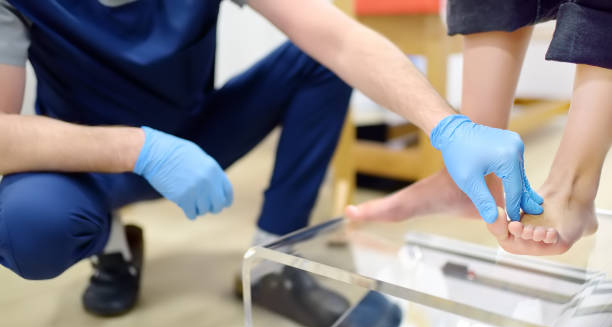
Podiatrist examining a child's foot for flat feet diagnosis

Diagnosis of Flat Feet

Diagnosis of Flat Feet The diagnosis of flat feet is based on physical examination, patient history, and sometimes imaging tests. Since flat feet can be asymptomatic in many people, diagnosis is usually prompted by foot pain, abnormal gait, or posture-related issues. Clinical Evaluation A general practitioner, podiatrist, or orthopaedic specialist will begin with: Medical history, including symptoms, previous injuries, and family history of foot problems Questions about pain location, duration, and triggers Observation of gait and foot posture while standing and walking The examiner will check if: The arch disappears when standing but reappears when sitting or on tiptoe (indicating flexible flat feet) The arch is consistently absent, even when non-weight-bearing (rigid flat feet) There is any swelling, tenderness, or ankle misalignment Physical Tests Heel raise test – checks posterior tibial tendon function by asking the patient to stand on tiptoe Wet footprint test – reveals the shape of the arch by looking at the imprint left on paper Range of motion assessments, particularly in the ankle and subtalar joint, help distinguish between flexible and rigid flat feet Imaging Tests If symptoms are severe or one-sided, or if surgery is being considered, doctors may order: X-rays, to assess bone structure, alignment, and joint health MRI scans, to evaluate soft tissue damage or tendon injuries, especially of the posterior tibial tendon CT scans, in rare cases where bone fusion (tarsal coalition) or arthritis is suspected Imaging is not always necessary in mild or uncomplicated cases. Assessment of Children | Diagnosis of Flat Feet Paediatric flat feet are often diagnosed during routine check-ups In most children, flexible flat feet resolve by age 6 Persistent, painful, or rigid flat feet may require further investigation and referral to a specialist Early diagnosis allows for appropriate intervention and can prevent complications, especially when flat feet are associated with biomechanical problems or progressive collapse. [Next: Treatment of Flat Feet →]

Diagnosis of Flat Feet Read More »

Custom orthotic insoles used in the treatment of flat feet

Treatment of Flat Feet

Treatment of Flat Feet The treatment of flat feet depends on the cause, severity, and presence of symptoms. While many people with flat feet require no medical intervention, others may benefit from orthotics, exercises, medication, or even surgery in complex cases. Early treatment helps reduce discomfort and prevent long-term damage to the knees, hips, or spine. Conservative Treatment 1. Footwear Modifications Supportive shoes with firm soles and arch support Avoid flat, unsupportive shoes like flip-flops or ballet flats Custom-fitted footwear for those with severe deformity or irregular gait 2. Orthotic Devices Over-the-counter arch supports or custom-made insoles (orthotics) Help realign the foot, improve gait, and relieve pressure on joints Often used in children, athletes, or those with early symptoms 3. Physiotherapy Strengthens foot and ankle muscles Improves flexibility and posture Exercises may include: Toe curls and towel scrunches Heel raises Calf stretches Arch strengthening movements 4. Weight Management Losing excess weight reduces pressure on the arches and relieves pain Especially important for people with obesity-related flat feet 5. Pain Relief Non-steroidal anti-inflammatory drugs (NSAIDs) for short-term use Ice packs for swelling or acute discomfort Rest during flare-ups or after long periods of standing Advanced Treatments 1. Bracing or Ankle Supports Used in cases of posterior tibial tendon dysfunction May provide temporary relief or delay the need for surgery 2. Surgery Reserved for severe or progressive cases unresponsive to conservative therapy May include tendon reconstruction, osteotomy (realignment), or fusion procedures Recovery may take several months, and physiotherapy is essential afterwards Paediatric Considerations | Treatment of Flat Feet Most children outgrow flexible flat feet Treatment is only necessary if the child experiences pain or stiffness Supportive shoes and stretching may be recommended The goal of treatment for flat feet is to reduce pain, improve function, and prevent secondary issues. Most people manage well with non-invasive therapies and supportive care. [Next: Complications of Flat Feet →]

Treatment of Flat Feet Read More »

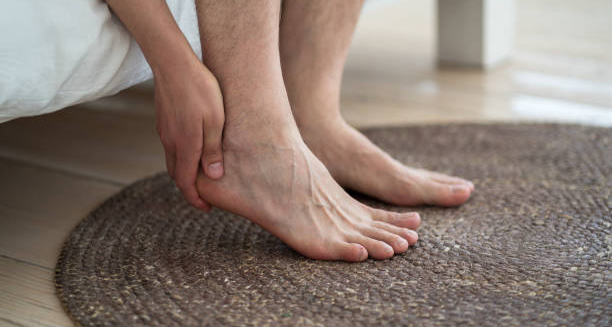
Person holding their ankle in discomfort while sitting on the edge of a bed

Complications of Flat Feet

Complications of Flat Feet The complications of flat feet can affect posture, mobility. Additionally, it can affect joint health if left untreated. Furthermore, while many individuals with flat feet live without discomfort, others develop issues that impact their quality of life. Hence, early recognition and appropriate management can prevent these problems from progressing. Musculoskeletal Strain Foot pain, especially in the arch, heel, or ankle Overpronation, where the feet roll inward excessively during walking Shin splints, from altered gait mechanics Achilles tendinitis or plantar fasciitis Knee, hip, or lower back pain, caused by misalignment. Additionally, it can be caused by abnormal load distribution These issues develop gradually and worsen with physical activity, poor footwear, or long periods of standing. Joint Degeneration Flattened arches change how pressure is distributed across joints Increases wear and tear on ankles, knees, and hips May lead to early-onset osteoarthritis in weight-bearing joints Proper support and orthotics can reduce strain and delay joint degeneration. Tendon Injury Posterior tibial tendon dysfunction is a common complication in adults This tendon supports the arch—once it weakens, the arch may collapse completely Causes swelling, difficulty standing on tiptoe, and progressive foot deformity If left untreated, tendon rupture or irreversible foot changes may occur. Balance and Stability Issues Flat feet may impair balance and proprioception Increases the risk of ankle sprains, trips, and falls Children may appear clumsy or uncoordinated, and adults may struggle with uneven ground or stairs Strengthening exercises and orthotics help restore stability and reduce injury risk. Footwear Problems People with flat feet often find it difficult to wear standard shoes comfortably Uneven wear patterns may lead to pain or blistering Special shoes or insoles may be required for proper support Reduced Activity and Secondary Problems Ongoing discomfort may discourage physical activity Can contribute to weight gain, poor cardiovascular fitness, and decreased mental wellbeing A cycle of inactivity and pain may develop if symptoms are not addressed Complications of Flat Feet The complications of flat feet are largely preventable with early intervention, good footwear, and targeted therapy. Left unmanaged, even mild cases can lead to broader musculoskeletal challenges. [Next: Back to Overview →]

Complications of Flat Feet Read More »

Scroll to Top