Treatment of Diabetic Ketoacidosis
Treatment of diabetic ketoacidosis focuses on correcting high blood sugar, replacing lost fluids and electrolytes, and stopping ketone production. Since diabetic ketoacidosis can lead to life-threatening complications, treatment must be initiated without delay, usually in an emergency department or intensive care unit.
Fluid Replacement
The first priority in treating DKA is addressing severe dehydration:
Isotonic saline (0.9% sodium chloride) is administered intravenously
Fluid replacement helps reduce blood glucose levels, improve circulation, and support kidney function
Doctors give an initial bolus followed by ongoing rehydration over 24–48 hours
Insulin Therapy
Doctors start intravenous insulin after administering fluids to reduce blood glucose and stop ketone production
Doctors prefer a continuous low-dose insulin infusion to avoid sudden glucose drops.
Insulin also helps shift potassium back into cells, which necessitates close potassium monitoring
Electrolyte Monitoring
Healthcare providers closely observe potassium levels and replace potassium as needed
Hypokalaemia (low potassium) can occur quickly during treatment and is potentially fatal
Sodium and phosphate may also need correction
Monitoring and Adjustments
Healthcare providers check blood glucose, ketones, and acid-base status hourly at first
Doctors adjust insulin and fluids based on these results
Healthcare providers continuously monitor vital signs and urine output to assess progress
Treating the Underlying Cause
Doctors identify infection through cultures and treat it with appropriate antibiotics, as infection is a common trigger
Other causes, such as missed insulin, trauma, or medication errors, should be addressed
Transition to Subcutaneous Insulin
They stop IV insulin once ketosis resolves and the patient can eat
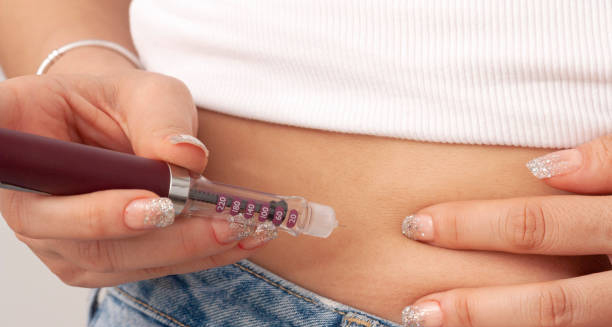
Doctors introduce a subcutaneous insulin regimen with overlap to prevent rebound hyperglycaemia
Patient Education on Treatment of Diabetic Ketoacidosis
Education on proper insulin use, blood glucose monitoring, sick day management, and diet is vital to prevent recurrence
In summary, treatment of diabetic ketoacidosis involves intensive fluid resuscitation, insulin therapy, and electrolyte correction. With timely medical care and careful monitoring, most patients recover fully.
[Next: Complications and Recovery from Diabetic Ketoacidosis →]