Mental Matters

Discoid Eczema

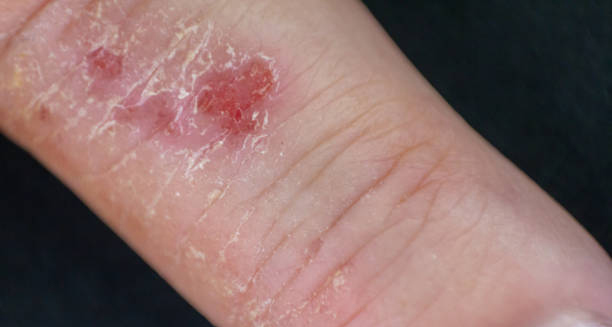
Close-up of red inflamed discoid eczema patch on the wrist

Discoid Eczema

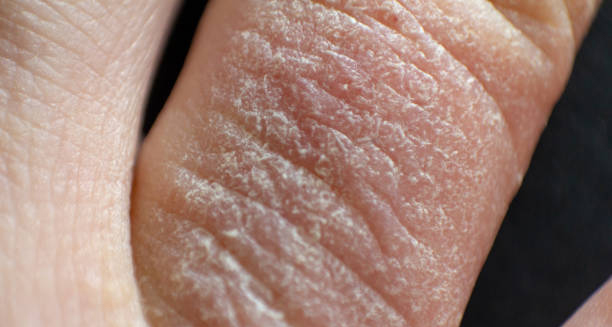
Discoid Eczema Discoid eczema is a chronic skin condition characterised by coin-shaped patches of inflamed, itchy, and often scaly skin. These circular lesions usually appear on the arms, legs, or torso and may become infected if scratched excessively. While this eczema can affect people of any age. It is more commonly seen in adults and tends to be more severe during colder months or in dry climates. Unlike other forms of eczema that can appear more widespread, discoid eczema typically presents in well-defined patches. The condition is not contagious. However, its appearance can be distressing and cause discomfort. Especially when the lesions ooze, crust over, or leave behind dark or light pigmentation after healing. Although the exact cause of discoid eczema remains unknown. It is believed to result from a combination of genetic, environmental, and lifestyle factors. Common triggers include dry skin, stress, changes in weather, and the use of harsh soaps or skin irritants. People with a history of atopic eczema, asthma, or allergies may be more susceptible. In South Africa, the drier regions such as the Karoo or parts of the Free State can make managing this eczema more challenging due to the lack of humidity. Similarly, limited access to dermatological care in rural clinics can delay diagnosis and treatment, which in turn increases the risk of infection and scarring. Discoid Eczema Internationally, discoid eczema affects a significant number of individuals, particularly during autumn and winter when central heating and cold air can strip the skin of its natural oils. The condition is known by various names, including nummular eczema and nummular dermatitis, but all refer to the same circular pattern of inflamed skin. With early diagnosis and consistent treatment, most people can manage discoid eczema effectively. Moisturising regularly, avoiding known irritants, and using prescribed anti-inflammatory creams can reduce flare-ups and improve skin appearance. Though the condition may recur, long-term management strategies can make a significant difference in quality of life. [Next: Causes of Discoid Eczema →]
Discoid Eczema Read More »

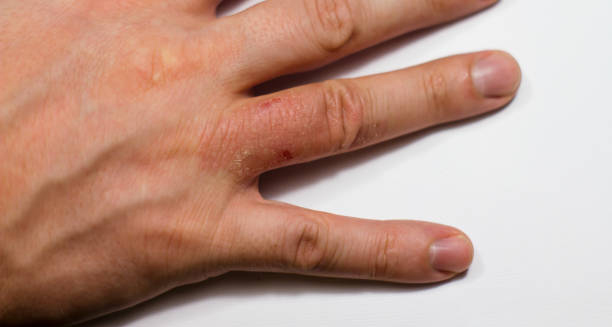
Dry, cracked skin on the hand indicating possible discoid eczema flare-up

Causes of Discoid Eczema

Causes of Discoid Eczema The causes of discoid eczema are not fully understood, but several risk factors and triggers are known to contribute to its development. The condition appears to result from an interaction between genetic predisposition, environmental exposure, and skin barrier dysfunction. When the skin becomes dry or damaged, it is more vulnerable to irritation and inflammation, leading to the characteristic round patches of discoid eczema. One of the primary causes of discoid eczema is excessively dry skin. When skin loses moisture, small cracks can form, allowing irritants or allergens to penetrate the outer layer. These substances can trigger an immune response, leading to inflammation, redness, and itching. Harsh soaps, alcohol-based sanitizers, and frequent washing with hot water can exacerbate this process. Skin trauma also plays a role. Even minor injuries like insect bites, scratches, or burns can spark a flare-up in people predisposed to discoid eczema. This response is called the Koebner phenomenon, where trauma leads to lesions forming at the site of injury. Other contributing causes of discoid eczema include emotional stress, hormonal changes, and climate. Stress is a well-known factor in many inflammatory conditions, and discoid eczema is no exception. Individuals under pressure—whether emotional or physical—often experience more frequent and intense flare-ups. In South Africa, extreme weather changes between hot dry seasons and damp winters can make managing skin hydration more difficult, especially in rural or informal communities with limited access to skincare products. Allergic contact dermatitis is another trigger. Exposure to allergens like nickel, fragrances, preservatives, or certain topical antibiotics can lead to or worsen discoid eczema. Identifying and avoiding these allergens is a key part of long-term management. Causes of Discoid Eczema Genetics also play a part. People with a family history of eczema, asthma, or hay fever are more likely to develop discoid eczema. This suggests a link between allergic tendencies and skin barrier weakness. Finally, infection can turn mild eczema into a more serious case. Scratching the itchy patches can break the skin, creating an entry point for bacteria like Staphylococcus aureus. Once infection sets in, symptoms become more severe and may include weeping sores, yellow crusts, and increased pain. Understanding the causes of discoid eczema can empower individuals to take proactive steps in prevention. By keeping skin moisturised, reducing exposure to irritants, and managing stress, many flare-ups can be avoided or significantly reduced. [Next: Symptoms of Discoid Eczema →]

Causes of Discoid Eczema Read More »

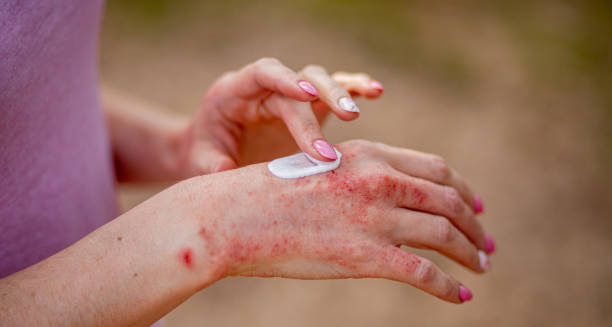
Close-up of red, inflamed patches on a hand showing symptoms of discoid eczema

Symptoms of Discoid Eczema

Symptoms of Discoid Eczema The symptoms of discoid eczema are usually easy to identify due to the distinctive round or oval-shaped patches that form on the skin. These lesions often start as small red spots or bumps that gradually enlarge and merge into larger discs. The affected areas become inflamed, scaly, itchy, and sometimes blistered or cracked. In some cases, the skin may ooze fluid, crust over, and later become thickened or discoloured. Early symptoms of discoid eczema include intense itchiness and irritation, which can quickly lead to scratching and skin damage. The round patches often have a well-defined border and may appear pink, red, or brown, depending on the individual’s skin tone. In lighter skin, the redness is more pronounced, while in darker skin, patches may look grey, dark brown, or purplish. Lesions can appear anywhere on the body, but they are most commonly found on the arms, legs, hands, and torso. The face and scalp are rarely affected. The symptoms of discoid eczema tend to appear symmetrically, often affecting both arms or both legs at the same time. Without treatment, the patches may last for weeks or even months and often recur in the same spots. Infected eczema is a serious concern. When bacteria enter the broken skin caused by scratching, additional symptoms develop. These include yellow crusting, swelling, warmth, and increased pain. Fever or feeling generally unwell may follow, indicating a systemic infection. In such cases, prompt medical attention is necessary, and antibiotics may be required. The symptoms of discoid eczema can significantly impact quality of life. Constant itchiness disrupts sleep, while visible patches may lead to embarrassment or social anxiety. This emotional toll can further worsen the condition, creating a cycle of stress and flare-ups. Symptoms of Discoid Eczema In South Africa, hot and dry weather, particularly in the inland provinces, can aggravate symptoms due to rapid skin dehydration. In contrast, humid climates may cause excessive sweating, which can irritate the skin and worsen the itch. Identifying symptoms of discoid eczema early is crucial. When treatment begins promptly, the risk of infection and long-term scarring is reduced. With the right skincare routine and medical guidance, many individuals manage the condition well and experience long periods without symptoms. [Next: Diagnosis of Discoid Eczema →]

Symptoms of Discoid Eczema Read More »

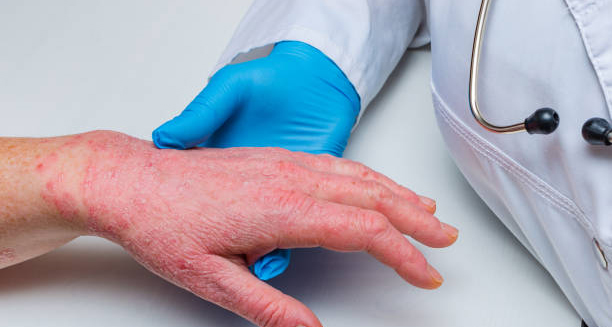
Doctor examining a patient’s inflamed hand for diagnosis of discoid eczema

Diagnosis of Discoid Eczema

Diagnosis of Discoid Eczema The diagnosis of discoid eczema is based largely on the appearance of the skin and a detailed medical history. Most healthcare providers can identify the condition by examining the coin-shaped patches, especially when they appear on the arms, legs, or trunk. However, because the lesions resemble other skin conditions, additional steps may be necessary to rule out similar diseases. During the initial consultation, doctors usually ask about the duration of symptoms, any known triggers, past episodes of eczema or allergies, and use of skincare products or medications. The patient’s personal and family history of atopic conditions—such as asthma or hay fever—can provide important clues. In many cases, the diagnosis of discoid eczema is clinical, meaning it is made without laboratory tests. Nevertheless, in uncertain cases, a skin biopsy may be done. This involves removing a small piece of affected skin under local anaesthetic and examining it under a microscope. A biopsy helps distinguish discoid eczema from other conditions like fungal infections, psoriasis, or skin cancers, which may present similarly. Doctors might also perform a swab test to check for bacterial infection, especially if the patches are weeping, crusted, or unusually painful. If infection is confirmed, antibiotics are often added to the treatment plan. In South Africa, limited access to dermatologists in public clinics may delay diagnosis, particularly in rural areas. As a result, general practitioners and nurses are trained to recognise common signs and begin early treatment. Another useful tool in the diagnosis of discoid eczema is patch testing. This method checks for allergic reactions to various substances that may be causing or aggravating the condition. It’s especially useful if contact dermatitis is suspected, and the patient reports exposure to nickel, fragrances, or other common allergens. Diagnosis of Discoid Eczema Photographs may also be taken to monitor progress over time. This is particularly helpful in chronic cases where flare-ups come and go. Regular check-ins with a healthcare provider ensure that treatment remains appropriate and effective. An accurate diagnosis of discoid eczema is essential to prevent unnecessary treatments, avoid worsening the condition, and offer proper guidance. Misdiagnosis can lead to delays in healing, especially if steroid creams are avoided or misused based on mistaken assumptions. Once diagnosed, a comprehensive plan is developed to manage symptoms, reduce triggers, and prevent future outbreaks. Patients are encouraged to keep a symptom diary, maintain a regular skincare routine, and follow up if symptoms persist or worsen. Early and accurate diagnosis can make a significant difference in controlling discoid eczema and improving overall skin health. [Next: Treatment of Discoid Eczema →]

Diagnosis of Discoid Eczema Read More »

Treatment of Discoid Eczema

Treatment of Discoid Eczema

Treatment of Discoid Eczema The treatment of discoid eczema involves a combination of lifestyle changes, topical medications, and in some cases, oral therapies. Because the condition is chronic and tends to recur, ongoing management is often necessary. The goal is to relieve symptoms, reduce inflammation, heal the skin, and prevent flare-ups. The first and most important step in the treatment of discoid eczema is restoring and maintaining the skin barrier. This means keeping the skin well-hydrated using emollients or moisturisers multiple times a day. Fragrance-free, thick creams or ointments are best, as they provide a strong protective layer. In South Africa, emollients are available over the counter, but affordability can be a barrier in underprivileged communities. Some clinics offer subsidised skincare products through public health programmes. Topical corticosteroids are commonly prescribed to reduce inflammation and itching. These are applied directly to the affected patches and can range in strength depending on severity. Mild eczema may respond to low-potency steroids, while more stubborn patches may need medium or high-potency creams. It is important to use these under medical guidance, especially on delicate areas or for prolonged periods. Seconday Infections If secondary infection is suspected, topical or oral antibiotics may be added. Crusting, weeping, or a yellowish appearance of lesions often indicates bacterial involvement, which doctors must address to allow healing. In some cases, doctors prescribe oral antihistamines to help reduce itching and improve sleep, especially for patients who scratch during the night. For more persistent or widespread cases, other options may be considered. These include topical calcineurin inhibitors, such as tacrolimus or pimecrolimus, which reduce inflammation without the side effects of steroids. In severe cases, dermatologists may use phototherapy or systemic immunosuppressants under close supervision. Lifestyle adjustments are also essential in the treatment of discoid eczema. Avoiding hot baths, using gentle cleansers, and wearing soft, breathable clothing all help reduce skin irritation. Identifying and managing triggers—such as allergens, stress, or certain fabrics—can greatly reduce the frequency and severity of flare-ups. Treatment of Discoid Eczema Education plays a key role in successful management. Patients must understand how and when to use medications, the importance of daily moisturising, and how to monitor for signs of infection. In South Africa, community health workers are often the first line of support in helping patients adhere to their skincare plans, especially in areas with limited access to dermatologists. With a tailored treatment plan, many individuals see significant improvement. Although the condition can be long-lasting, effective treatment of discoid eczema can reduce discomfort, improve appearance, and restore confidence. [Next: Complications of Discoid Eczema →]

Treatment of Discoid Eczema Read More »

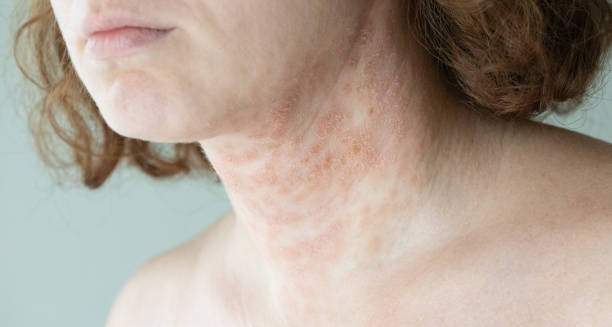
Discoid eczema on the neck showing severe skin inflammation and discolouration

Complications of Discoid Eczema

Complications of Discoid Eczema The complications of discoid eczema arise mainly from scratching, infection, and long-term skin damage. While the condition is not life-threatening, it can cause significant physical discomfort, emotional distress, and in some cases, permanent skin changes. Timely treatment and ongoing care are essential to prevent these complications from affecting quality of life. One of the most common complications of discoid eczema is secondary bacterial infection. When itchy patches are scratched, the skin’s protective barrier breaks down, allowing bacteria—especially Staphylococcus aureus—to enter. Infected eczema becomes swollen, red, warm, and may ooze yellow fluid. If left untreated, the infection can spread to other areas or lead to cellulitis, which sometimes requires hospital treatment. Long-term or repeated scratching can lead to lichenification, a thickening and hardening of the skin. These areas often become darker or lighter than the surrounding skin, and the texture can remain altered even after inflammation subsides. This scarring can cause cosmetic concerns, especially when lesions are visible on the arms or legs. Another potential outcome is post-inflammatory pigmentation. After the lesions heal, they may leave behind dark or light marks that can last for several months. This is particularly noticeable in people with darker skin tones, and although the pigmentation is not harmful, it can cause self-consciousness or distress. The complications of discoid eczema are not only physical. Many people experience emotional challenges related to the condition. Constant itching disrupts sleep, while the appearance of lesions may lead to social anxiety or embarrassment. Some individuals report depression or reduced self-esteem, particularly during prolonged flare-ups. Children with discoid eczema may struggle at school due to distraction from itching or discomfort. Adults may avoid social or professional interactions if the eczema is visible or misinterpreted as a contagious skin condition. These psychosocial effects are sometimes overlooked but are just as important to address in comprehensive care. Complications of Discoid Eczema In rare cases, long-term use of high-potency steroid creams without medical supervision can lead to skin thinning, stretch marks, or hormonal side effects. That’s why treatment should always be guided by a qualified healthcare provider who monitors for adverse effects. In South Africa, another complication is inconsistent access to care. People in rural or underserved areas may not receive a confirmed diagnosis or access to specialist treatments. This increases the risk of chronic skin damage, persistent symptoms, and poor disease control. Preventing the complications of discoid eczema begins with proper treatment, consistent skincare, and patient education. With the right support, most people can manage the condition effectively and avoid the more serious outcomes. [Next: Back to Overview →]

Complications of Discoid Eczema Read More »

Scroll to Top