Mental Matters

Mental Matters

  • Health & Wellness
  • Mental Health
  • Live Better
  • Directory
  • Articles & Guides
  • Advertise
  • Blog
  • Fields
  • Health & Wellness
  • Mental Health
  • Live Better
  • Directory
  • Articles & Guides
  • Advertise
  • Blog
  • Fields
  • Health & Wellness
  • Mental Health
  • Live Better
  • Directory
  • Articles & Guides
  • Advertise
  • Blog
  • Fields
  • Health & Wellness
  • Mental Health
  • Live Better
  • Directory
  • Articles & Guides
  • Advertise
  • Blog
  • Fields

Symptoms of Diarrhoea

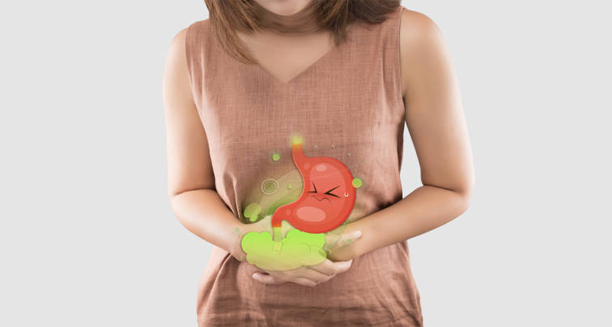
Woman holding stomach with illustrated inflamed gut indicating diarrhoea symptoms

A visual representation of abdominal cramping and upset stomach, common symptoms of diarrhoea.

Symptoms of Diarrhoea

Recognising the symptoms of diarrhoea early can help you manage the condition effectively and avoid complications. The key sign is frequent, loose, or watery stools. However, diarrhoea often comes with a group of other symptoms that can vary depending on the underlying cause.

A typical episode may start with cramping or pain in the abdomen, followed by an urgent need to pass stool. Many people also experience bloating, nausea, or vomiting. In some cases, there may be fever or chills, especially if an infection is present. These symptoms are the body’s way of responding to irritants in the gut.

In children and infants, the signs of diarrhoea may appear suddenly and progress quickly. Parents should watch for dry mouth, sunken eyes, or reduced urine output, which signal dehydration. Babies may have fewer wet nappies, appear unusually drowsy, or cry without tears. If these signs show up, urgent medical care is needed.

Adults are also at risk of dehydration. This is especially true for those who lose a lot of fluid over a short period. Signs include extreme thirst, dizziness, dry skin, and fatigue. The elderly are particularly vulnerable and may need help staying hydrated during an episode of diarrhoea.

Symptoms of Diarrhoea

Sometimes, blood or mucus in the stool can indicate a more serious condition. If this happens, or if symptoms last longer than two days in adults (or 24 hours in children), it’s important to seek medical advice. Chronic or repeated episodes may signal inflammatory bowel disease or another long-term condition.

By paying attention to these symptoms, you can act quickly and avoid complications. Early treatment is key to restoring balance and protecting your health.

[Next: Diagnosis of Diarrhoea →]

Symptoms of Cholera
Symptoms of Cyclospora
Symptoms of Clostridium difficile
Dr John Wright Claremont
Symptoms of Chronic Pancreatitis

Related Posts

Doctor examining leg rash to diagnose granulomatosis with polyangiitis
Granulomatosis with Polyangiitis

Diagnosis of Granulomatosis with Polyangiitis

July 11, 2025

Diagnosis of Granulomatosis with Polyangiitis The diagnosis of granulomatosis with polyangiitis involves...

Recognising the Symptoms of Gallstones
Gallstones

Recognising the Symptoms of Gallstones

June 6, 2025

Gallstones are hardened deposits that form in the gallbladder, and they can...

Mental Matters

Facebook Instagram

Your Weekly Dose of Mental Health Support
– Straight to Your Inbox

  • Your journey to better mental health starts here—with expert insights and helpful resources delivered weekly.


© 2025 Mental Matters. All rights reserved. The content on this website is intended for informational purposes only and does not constitute medical advice, diagnosis, or treatment. Please consult a qualified health professional for any medical concerns.

Quick Links

  • Directory

  • Advertise

  • Conditions

  • Real Talk

  • Eating Disorders

  • Depressed

  • Autism

  • Community

  • Resources

About

  • Get In Touch

  • Home

  • Privacy Policy

  • Suicide Prevention Support

  • Terms & Conditions

© 2025 Mental Matters. All rights reserved.

No Result
View All Result
  • Health & Wellness
  • Mental Health
  • Live Better
  • Directory
  • Articles & Guides
  • Advertise
  • Blog
  • Fields

© MENTAL MATTERS 2024