Mental Matters

Granulomatosis with Polyangiitis

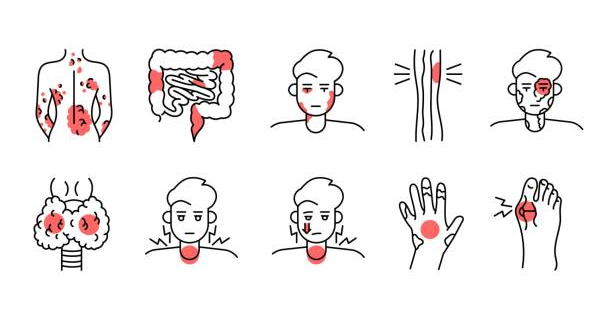
Medical illustration of granulomatosis with polyangiitis symptoms

Granulomatosis with Polyangiitis

Granulomatosis with Polyangiitis Granulomatosis with polyangiitis is a rare but serious autoimmune disease characterised by inflammation of blood vessels, particularly small- and medium-sized vessels throughout the body. Formerly known as Wegener’s granulomatosis, granulomatosis with polyangiitis often affects the respiratory tract and kidneys, although it can involve many organs. The inflammation can lead to tissue damage, organ dysfunction, and, if left untreated, life-threatening complications. This condition belongs to a group of disorders known as ANCA-associated vasculitides (AAV), named for the presence of anti-neutrophil cytoplasmic antibodies (ANCAs) found in many affected individuals. Granulomatosis with polyangiitis tends to strike adults aged 40–60 but can occur at any age. Early diagnosis and aggressive treatment with immunosuppressive drugs can help achieve remission and prevent permanent damage. Key Characteristics Granulomatosis with polyangiitis is marked by three main pathological features: Granulomatous inflammation – a type of immune response involving clusters of inflammatory cells Vasculitis – inflammation of the blood vessel walls Necrosis – tissue damage resulting from loss of blood supply or immune destruction These features affect organs such as: Sinuses, nose, and upper airways Lungs Kidneys Skin, eyes, joints, and nervous system Symptoms often begin subtly, with fatigue, joint pain, or sinus issues, before progressing to more serious organ involvement. Epidemiology and Risk Granulomatosis with polyangiitis is rare, with an estimated annual incidence of 10–20 cases per million people worldwide. Risk factors include: Middle age (more common in individuals aged 40–65) Slight male predominance Caucasian ethnicity (more prevalent in European populations) Family history of autoimmune disorders (though not directly inherited) It affects people globally and across all demographics, but detection rates vary due to limited awareness and diagnostic capacity in some regions. Early Symptoms Initial symptoms may be vague and resemble common illnesses: Fatigue and general malaise Unexplained weight loss Fever and night sweats Persistent sinus infections or nasal congestion Ear pain or hearing loss Dry cough or shortness of breath Joint and muscle aches Because these symptoms mimic those of respiratory infections, sinusitis, or allergies, the condition is often misdiagnosed in its early stages. Respiratory Involvement The upper and lower respiratory tracts are commonly affected: Sinusitis, nasal crusting, or frequent nosebleeds Saddle-nose deformity due to cartilage destruction Chronic cough, wheezing, or haemoptysis (coughing up blood) Lung nodules or infiltrates, visible on chest imaging These issues can escalate to lung haemorrhage or respiratory failure if not promptly addressed. Kidney Involvement One of the most serious aspects of granulomatosis with polyangiitis is glomerulonephritis, or inflammation of the kidneys’ filtering units: Early signs include blood or protein in the urine May progress silently to kidney failure Renal biopsy is often necessary for definitive diagnosis If untreated, kidney involvement can lead to irreversible damage and the need for dialysis. Other Organ Systems The disease may also affect: Skin – purple spots (purpura), ulcers, or nodules Eyes – inflammation, dryness, pain, or vision loss Nerves – tingling, numbness, or muscle weakness Joints – arthritis-like pain, especially in large joints Multisystem involvement complicates diagnosis and requires a coordinated approach to treatment. Diagnosis Challenges Because of its rarity and non-specific early symptoms, diagnosis is often delayed. The condition must be distinguished from infections, cancers, and other autoimmune diseases. Blood tests, imaging, and biopsy are typically needed for confirmation. Importance of Early Treatment Prompt recognition is critical. Without treatment, granulomatosis with polyangiitis can progress rapidly, causing permanent damage or death. With appropriate therapy, however, long-term remission is possible for many patients. Conclusion | Granulomatosis with Polyangiitis Granulomatosis with polyangiitis is a complex autoimmune vasculitis that causes systemic inflammation and serious organ damage if left untreated. Its early symptoms often mimic common conditions, making awareness and timely diagnosis vital. Despite its severity, with modern immunosuppressive therapy, granulomatosis with polyangiitis is a manageable condition, and many individuals can achieve lasting remission. [Next: Causes of Granulomatosis with Polyangiitis →]

Granulomatosis with Polyangiitis Read More »

Causes of Granulomatosis with Polyangiitis

Causes of Granulomatosis with Polyangiitis

Causes of Granulomatosis with Polyangiitis Doctors still do not fully understand what causes granulomatosis with polyangiitis (GPA). However, they believe it begins with an abnormal immune response that causes inflammation in blood vessels and nearby tissues. Even though the exact cause remains unknown, research points to a mix of genetics, environmental exposure, infections, and autoimmune activity as major contributors. GPA belongs to a group of illnesses called ANCA-associated vasculitides, which involve harmful antibodies called anti-neutrophil cytoplasmic antibodies (ANCAs). These antibodies seem to play a key role in the damage seen in affected organs. 1. Autoimmune Mechanisms First and foremost, GPA behaves like an autoimmune disease. In this condition, the immune system attacks the body’s own tissues by mistake. While the reason for this faulty immune attack isn’t clear, several things happen: This process creates granulomas, blood vessel inflammation (vasculitis), and in some cases, tissue death (necrosis). 1. Autoimmune Mechanisms First and foremost, GPA behaves like an autoimmune disease. In this condition, the immune system attacks the body’s own tissues by mistake. While the reason for this faulty immune attack isn’t clear, several things happen: This process creates granulomas, blood vessel inflammation (vasculitis), and in some cases, tissue death (necrosis). 2. Genetic Factors Although GPA doesn’t pass directly from parent to child, certain genes may make some people more likely to develop it. For example: These genetic factors suggest that some individuals carry an inherited vulnerability. When exposed to the right trigger, their immune system may overreact. 3. Environmental and Occupational Exposures Next, environmental and workplace exposures may also trigger GPA in people who already carry genetic risk. Research has linked the disease to: These substances may damage tissues or overstimulate the immune system, leading to inflammation. 4. Infections Infections may also play an important role. They can either trigger GPA for the first time or make it worse later. Specifically: These infections may set off or maintain harmful immune reactions that damage the blood vessels. 5. Drug-Induced Triggers Although uncommon, certain medications can cause a condition that looks like GPA. These include: Usually, the symptoms go away after stopping the drug. Doctors can often tell drug-induced cases apart from true GPA through blood tests and history. 6. Immune System Triggers Sometimes, GPA may start after the immune system reacts to injury or repeated exposure to certain antigens. For example: This overreaction turns into chronic inflammation unless doctors stop it early. 7. Hormonal and Biological Factors Finally, some differences in age, sex, and hormones may affect who gets GPA. For instance: Although doctors don’t yet understand these patterns fully, they point to a mix of biological influences. Summary of Contributing Factors Category Examples Autoimmune response ANCA antibodies, neutrophil activation Genetic susceptibility HLA genes, PTPN22, SERPINA1 Environmental exposure Silica, solvents, farm chemicals Infections Staphylococcus aureus, viral infections Drug-induced triggers Hydralazine, PTU, levamisole Biological factors Age, sex, immune system behavior Multifactorial Nature of GPA So far, no single cause explains all cases of GPA. Instead, the disease likely results from a mix of factors, such as: This complex picture explains why GPA looks different from one person to another. It also guides doctors to treat the root immune problem—not just the symptoms. Conclusion | Causes of Granulomatosis with Polyangiitis To sum up, GPA results from a combination of genetic, environmental, infectious, and immune-related factors. Even though researchers haven’t found one clear cause, growing evidence points to autoimmune activity driven by ANCAs. By better understanding what causes GPA, doctors can improve how they diagnose it, treat it, and support patients living with this rare but serious condition. [Next: Symptoms of Granulomatosis with Polyangiitis→]

Causes of Granulomatosis with Polyangiitis Read More »

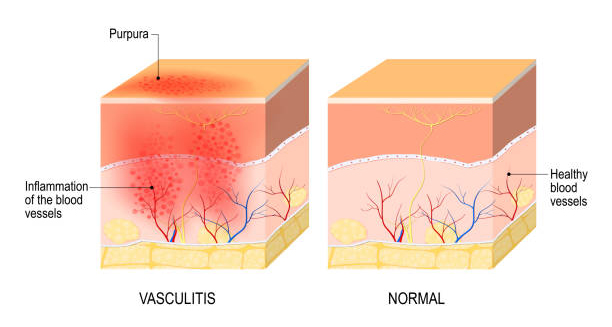
Red rash and inflammation on palms due to granulomatosis with polyangiitis

Symptoms of Granulomatosis with Polyangiitis

Symptoms of Granulomatosis with Polyangiitis The symptoms of granulomatosis with polyangiitis vary widely depending on which organs are affected, but typically include a mix of respiratory, renal, and generalised inflammatory signs. The symptoms of granulomatosis with polyangiitis often start gradually and may initially resemble common illnesses such as sinusitis or the flu, making early diagnosis challenging. However, as the disease progresses, organ damage may become more pronounced, sometimes resulting in life-threatening complications if left untreated. Granulomatosis with polyangiitis (GPA) is a rare autoimmune vasculitis that causes inflammation of small- and medium-sized blood vessels, particularly in the lungs, kidneys, and upper airways. Granulomas—clusters of inflammatory cells—also form in tissues, further contributing to damage. Because GPA can affect virtually any organ system, the symptoms are diverse and may develop over days, weeks, or even months. General Symptoms In the early stages, people often experience non-specific systemic symptoms such as: Fatigue and low energy Weight loss without trying Fever and night sweats Loss of appetite Joint and muscle aches resembling arthritis Mild anaemia or generalised weakness These symptoms often precede more localised organ involvement and are sometimes mistaken for viral infections or chronic fatigue syndrome. Upper Respiratory Tract Involvement The upper respiratory tract is involved in over 90% of cases. Common symptoms include: Chronic sinusitis or persistent nasal congestion Bloody or crusted nasal discharge Nosebleeds (epistaxis) Nasal septal perforation, which may lead to a saddle-nose deformity Hearing loss due to eustachian tube dysfunction Ear pain, fullness, or infections These symptoms are often recurrent and may resist standard treatment with antibiotics or decongestants, raising suspicion of an underlying inflammatory process. Lower Respiratory Tract Symptoms Lung involvement is another hallmark of GPA and may present with: Chronic dry cough Shortness of breath Chest pain, especially on deep breathing Coughing up blood (haemoptysis) Wheezing or crackles on examination Chest X-rays or CT scans may reveal nodules, infiltrates, or cavities—sometimes misinterpreted as infections, tuberculosis, or cancer. In severe cases, lung haemorrhage can occur, requiring urgent treatment. Kidney Involvement Kidney inflammation, or glomerulonephritis, may be silent in early stages but is one of the most serious manifestations: Blood in the urine (haematuria) Protein in the urine (proteinuria) Foamy urine High blood pressure Swelling in the ankles or around the eyes Without treatment, kidney function may deteriorate rapidly, leading to chronic kidney disease or kidney failure. Eye and Vision Problems Inflammation may extend to the eyes, resulting in: Red, painful eyes Blurred vision or double vision Dry eyes Episcleritis or scleritis (inflammation of the white part of the eye) Vision loss in severe cases Prompt ophthalmologic assessment is essential to preserve vision in affected individuals. Skin Lesions Skin symptoms occur in approximately 30–50% of cases. These may include: Reddish or purple spots (purpura), particularly on the legs Ulcers, especially on the extremities Tender nodules or lumps Rashes resembling allergic reactions Skin biopsy may help confirm vasculitis as the cause of these lesions. Nervous System Symptoms The nervous system may also be affected, causing: Peripheral neuropathy (numbness, tingling, or burning in the hands or feet) Muscle weakness Cranial nerve palsies Rarely, stroke-like episodes or central nervous system involvement Neurological symptoms can be subtle or debilitating, depending on the nerves involved. Gastrointestinal Involvement Although less common, the gastrointestinal system can also be affected, leading to: Abdominal pain Nausea or vomiting Gastrointestinal bleeding or ulcers These symptoms may mimic other GI conditions and complicate diagnosis. Symptoms in Children Granulomatosis with polyangiitis is rare in children but presents similarly: Fever, weight loss, and fatigue Ear, nose, and throat infections that do not resolve Joint pain or swelling Haematuria or proteinuria Paediatric diagnosis can be particularly challenging due to overlap with common childhood illnesses. Patterns and Progression There is no fixed sequence for symptom development: Some individuals have isolated respiratory symptoms for months before kidney involvement appears Others may present suddenly with multisystem disease Flare-ups can alternate with periods of remission This unpredictable pattern underscores the need for ongoing monitoring and early specialist referral. Conclusion | Symptoms of Granulomatosis with Polyangiitis The symptoms of granulomatosis with polyangiitis are diverse, ranging from sinus congestion and joint pain to life-threatening kidney failure or lung haemorrhage. Because the symptoms of granulomatosis with polyangiitis often mimic more common conditions, early recognition requires a high index of suspicion, especially in persistent or multisystem disease. Accurate diagnosis and early treatment are essential to reduce the risk of long-term complications and achieve remission. [Next: Diagnosis of Granulomatosis with Polyangiitis →]
Symptoms of Granulomatosis with Polyangiitis Read More »

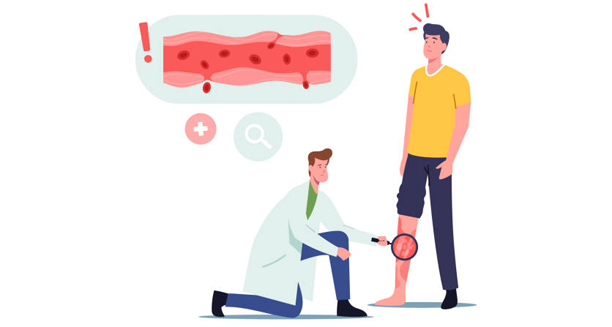
Doctor examining leg rash to diagnose granulomatosis with polyangiitis

Diagnosis of Granulomatosis with Polyangiitis

Diagnosis of Granulomatosis with Polyangiitis The diagnosis of granulomatosis with polyangiitis involves a combination of clinical evaluation, blood tests, imaging, and tissue biopsy. Since the diagnosis of granulomatosis with polyangiitis can be challenging due to its rarity and symptom overlap with other illnesses, it requires a coordinated approach between general practitioners, rheumatologists, nephrologists, and other specialists. Granulomatosis with polyangiitis (GPA) is an ANCA-associated vasculitis that causes inflammation of blood vessels and tissues. Diagnosis is critical to prevent organ damage that cannot be undone, and early treatment improves outcomes significantly. Clinical Evaluation Diagnosis begins with a detailed medical history and physical examination. Key clues include: Chronic sinus, nasal, or ear infections Persistent cough or haemoptysis Blood in the urine or kidney function decline Joint pains, skin lesions, and systemic inflammation Symptoms involving multiple systems (e.g. lungs and kidneys) Because no single symptom is definitive, the pattern of involvement often points toward GPA. Blood Tests Several blood tests support the diagnosis and rule out other conditions: 1. ANCA (Anti-Neutrophil Cytoplasmic Antibody) Test Positive in approximately 80–90% of GPA cases Most patients test positive for c-ANCA (cytoplasmic ANCA), targeting proteinase 3 (PR3) A smaller number have p-ANCA, often targeting myeloperoxidase (MPO) Though not 100% specific, ANCA testing is a valuable tool for diagnosis when interpreted alongside clinical findings. 2. Inflammatory Markers Elevated ESR (erythrocyte sedimentation rate) Raised CRP (C-reactive protein) These non-specific markers indicate active inflammation and help monitor disease activity. 3. Renal Function Tests Serum creatinine and eGFR to assess kidney function Urinalysis to detect blood, protein, or red blood cell casts in the urine Abnormal kidney results often prompt further testing, including biopsy. Imaging Studies Imaging helps identify organ involvement and guide biopsy: Chest X-ray or CT Scan May reveal lung nodules, cavities, infiltrates, or effusions Useful for checking disease severity and monitoring response to treatment Sinus or Ear CT Scans Show mucosal thickening, bone destruction, or fluid build-up Can guide surgical sampling in ENT-related cases Biopsy Tissue biopsy remains the gold standard for diagnosis. Biopsies may be taken from: Kidneys – to identify crescentic glomerulonephritis and confirm vasculitis Lungs – when accessible and safe Skin – in patients with rashes or ulcers Nasal or sinus tissue – often inflamed and easier to access Typical findings include granulomatous inflammation, vasculitis, and necrosis. Diagnostic Criteria and Scoring The American College of Rheumatology (ACR) and European Alliance of Associations for Rheumatology (EULAR) provide classification criteria based on symptoms, ANCA status, imaging, and biopsy results. These criteria help standardise diagnosis in both clinical and research settings. A formal diagnosis often requires several of the following: ANCA positive Upper or lower airway involvement Renal issues or any evidence of glomerulonephritis Histopathological confirmation of granulomas or vasculitis Differential Diagnosis GPA must be distinguished from: Infections (e.g. tuberculosis, fungal lung infections) Other vasculitides, such as microscopic polyangiitis or eosinophilic granulomatosis with polyangiitis Lung cancer or lymphoma Systemic lupus erythematosus Goodpasture’s syndrome Biopsy and ANCA testing are crucial in making these distinctions. Challenges in Diagnosis Diagnosis may be delayed due to: Non-specific early symptoms Misdiagnosis as sinusitis, pneumonia, or asthma Intermittent flares and remissions Negative ANCA test in a small proportion of cases In these scenarios, repeat testing and tissue sampling may be necessary. Importance of Early Diagnosis Early diagnosis allows for prompt initiation of treatment: Reduces risk of permanent organ damage Improves survival rates and quality of life Increases likelihood of achieving remission With current treatments, many patients can lead full and active lives despite the initial severity of disease. Conclusion | Diagnosis of Granulomatosis with Polyangiitis The diagnosis of granulomatosis with polyangiitis requires careful clinical judgment supported by laboratory and histological evidence. Because the diagnosis of granulomatosis with polyangiitis can be difficult in early stages, clinicians must maintain a high index of suspicion in patients with multi-system symptoms. Timely recognition, expert consultation, and comprehensive testing are the foundation for effective management of this complex autoimmune vasculitis. [Next: Treatment of Granulomatosis with Polyangiitis→]

Diagnosis of Granulomatosis with Polyangiitis Read More »

Immunosuppressive medication for granulomatosis with polyangiitis treatment

Treatment of Granulomatosis with Polyangiitis

Treatment of Granulomatosis with Polyangiitis Treating granulomatosis with polyangiitis (GPA) involves two key phases: first, inducing remission and then maintaining it over the long term to prevent relapses. Since GPA treatment lowers the immune system’s defenses, doctors must balance stopping inflammation with minimizing side effects and complications. GPA is a serious autoimmune disease that causes inflammation in blood vessels. Thankfully, treatment has come a long way. Thanks to powerful immune-suppressing medications and newer biologic drugs, many patients now enter remission and live well—especially when treatment starts early and fits the severity of the disease. Phase 1: Induction of Remission The first goal in treatment is to quickly stop active inflammation. This step helps protect vital organs like the kidneys and lungs from lasting damage. 1. Glucocorticoids (Steroids) Doctors usually begin with strong steroids such as prednisolone or methylprednisolone: Although steroids work well, using them for a long time can cause problems such as: To lower these risks, doctors often add other medications that reduce the need for high steroid doses. 2. Immunosuppressive Agents Doctors usually combine steroids with one of these two powerful immune-suppressing drugs: a. Cyclophosphamide b. Rituximab Both treatments need regular blood tests and infection prevention, such as antibiotics to guard against lung infections. Additional Support During Induction During this early treatment phase, patients often need extra care: This support helps reduce side effects and improves the patient’s ability to stay on treatment. Phase 2: Maintenance of Remission Once inflammation is under control, treatment shifts to keeping the disease quiet. This helps prevent flare-ups and limits long-term damage. 1. Azathioprine 2. Methotrexate 3. Mycophenolate Mofetil 4. Rituximab (Maintenance Doses) Most patients stay on maintenance therapy for 18 to 24 months, or longer if they’re at high risk of relapsing. Monitoring and Follow-Up Doctors must check patients often during and after treatment. These checks usually include: Patients also need regular checks for the side effects of their medications, including infections and possible cancers. Lifestyle and Preventive Measures To stay well during treatment, patients should also: Open, honest communication with a team of doctors—including rheumatologists, lung specialists, and mental health experts—helps patients stay on track and feel supported. Pregnancy and Fertility Considerations Treatment may affect the ability to have children, so doctors discuss fertility early on: Women should aim to become pregnant during remission, and specialists should guide treatment before and during pregnancy. Prognosis with Treatment Without treatment, GPA can be deadly. However, today’s treatment offers real hope: Conclusion | Treatment of Granulomatosis with Polyangiitis Treating GPA is complex, but it works well when started early and managed closely. From steroids to biologics to supportive care, every part of treatment must match the patient’s needs and goals. With routine checkups, healthy habits, and strong medical support, most patients can enjoy active, fulfilling lives—even with this rare autoimmune disease. [Next: Complications of Granulomatosis with Polyangiitis →]
Treatment of Granulomatosis with Polyangiitis Read More »

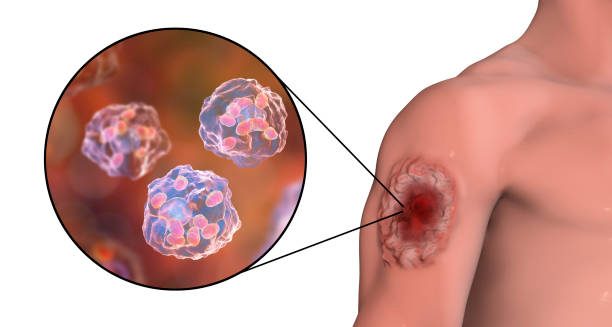
Granulomatosis with polyangiitis skin lesion and neutrophil inflammation

Complications of Granulomatosis with Polyangiitis

Complications of Granulomatosis with Polyangiitis Granulomatosis with polyangiitis (GPA) can lead to many serious complications. These problems come from both the disease itself and the side effects of long-term treatment with immune-suppressing medicine. As a result, the illness can affect almost every organ system. The most severe complications include kidney failure, lung bleeding, long-term infections, and a lower quality of life due to organ damage or the effects of treatment. GPA is a disease that causes inflammation of blood vessels throughout the body. Without proper treatment, the condition can worsen quickly. Even when patients receive treatment, doctors still need to check them often. This helps catch problems early and avoid lasting damage. 1. Kidney Failure One of the most dangerous complications of GPA involves the kidneys. The disease often leads to glomerulonephritis, a type of kidney inflammation. This condition causes: Even when the disease seems under control, kidney problems can still appear if inflammation continues. 2. Lung Damage GPA can also harm the lungs in many ways. Some common lung-related problems include: In the long run, this damage can cause breathing problems and the need for oxygen support. 3. Hearing and Sinus Problems The disease often affects the nose and ears. Over time, this may lead to: These problems often need help from an ENT doctor and may affect a person’s daily life and confidence. 4. Vision Problems When GPA reaches the eyes, it can cause: Eye problems from GPA are emergencies. Eye specialists must treat them right away to protect vision. 5. Nerve Damage (Peripheral Neuropathy) Inflammation of the blood vessels that feed the nerves can cause: Even after treatment, nerve healing can take a long time and may not be complete. 6. Skin Ulcers and Tissue Death GPA can also affect the skin. When this happens, people may get: These skin issues can reduce movement and often lead to hospital visits. 7. Disease Relapse and Long-Term Illness Many people with GPA experience relapses. In fact: Over time, these repeated flare-ups can lead to more organ damage and stronger medication side effects. 8. Higher Risk of Infections Since treatment weakens the immune system, people with GPA are more likely to get infections, such as: To help prevent this, patients should follow infection prevention plans and stay up to date with vaccines. 9. Increased Risk of Cancer Some medications, especially cyclophosphamide, can raise the risk of certain cancers. These include: Doctors recommend regular cancer screenings for people who take these drugs long-term. 10. Mental and Emotional Effects Living with GPA can take a toll on mental health. Many people experience: Talking to mental health professionals or joining support groups can help patients cope better and stay positive. 11. Fertility and Pregnancy Concerns Cyclophosphamide may affect the ability to have children, especially in younger patients. Also: Planning ahead and getting the right advice helps patients make informed choices. Summary of Key Complications System Affected Possible Problems Kidneys Kidney inflammation, long-term damage, kidney failure Lungs Bleeding, lung lumps, coughing, infections ENT Hearing loss, nasal shape changes, smell loss Eyes Vision loss, nerve damage Nerves Numbness, weakness, movement issues Skin Ulcers, dead tissue, slow healing General Relapse, infections, cancer risk, emotional stress Conclusion The complications of granulomatosis with polyangiitis can be very serious, especially if doctors don’t catch the disease early or if patients don’t receive ongoing care. However, with early treatment and a complete care plan, many of these problems can be avoided or managed well. Teaching patients about the disease, checking on them regularly, and involving a team of health professionals are the best ways to reduce long-term harm and improve quality of life. [Next: Back to Overview →]

Complications of Granulomatosis with Polyangiitis Read More »

Scroll to Top