Treatment of Discoid Eczema
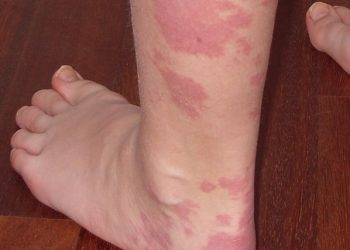
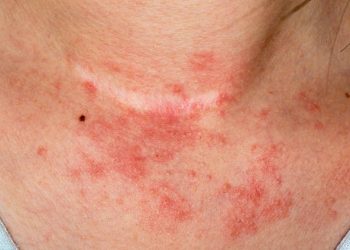
The treatment of discoid eczema involves a combination of lifestyle changes, topical medications, and in some cases, oral therapies. Because the condition is chronic and tends to recur, ongoing management is often necessary. The goal is to relieve symptoms, reduce inflammation, heal the skin, and prevent flare-ups.
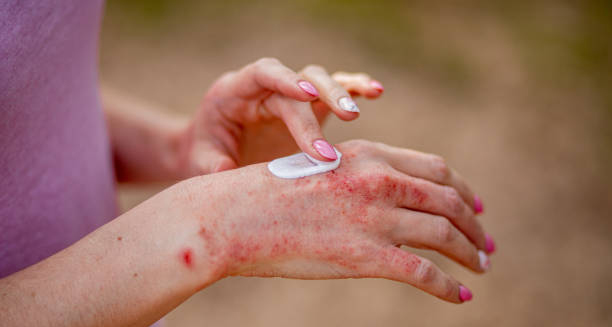
The first and most important step in the treatment of discoid eczema is restoring and maintaining the skin barrier. This means keeping the skin well-hydrated using emollients or moisturisers multiple times a day. Fragrance-free, thick creams or ointments are best, as they provide a strong protective layer. In South Africa, emollients are available over the counter, but affordability can be a barrier in underprivileged communities. Some clinics offer subsidised skincare products through public health programmes.
Topical corticosteroids are commonly prescribed to reduce inflammation and itching. These are applied directly to the affected patches and can range in strength depending on severity. Mild eczema may respond to low-potency steroids, while more stubborn patches may need medium or high-potency creams. It is important to use these under medical guidance, especially on delicate areas or for prolonged periods.
Seconday Infections
If secondary infection is suspected, topical or oral antibiotics may be added. Crusting, weeping, or a yellowish appearance of lesions often indicates bacterial involvement, which doctors must address to allow healing. In some cases, doctors prescribe oral antihistamines to help reduce itching and improve sleep, especially for patients who scratch during the night.
For more persistent or widespread cases, other options may be considered. These include topical calcineurin inhibitors, such as tacrolimus or pimecrolimus, which reduce inflammation without the side effects of steroids. In severe cases, dermatologists may use phototherapy or systemic immunosuppressants under close supervision.
Lifestyle adjustments are also essential in the treatment of discoid eczema. Avoiding hot baths, using gentle cleansers, and wearing soft, breathable clothing all help reduce skin irritation. Identifying and managing triggers—such as allergens, stress, or certain fabrics—can greatly reduce the frequency and severity of flare-ups.
Treatment of Discoid Eczema
Education plays a key role in successful management. Patients must understand how and when to use medications, the importance of daily moisturising, and how to monitor for signs of infection. In South Africa, community health workers are often the first line of support in helping patients adhere to their skincare plans, especially in areas with limited access to dermatologists.
With a tailored treatment plan, many individuals see significant improvement. Although the condition can be long-lasting, effective treatment of discoid eczema can reduce discomfort, improve appearance, and restore confidence.
[Next: Complications of Discoid Eczema →]