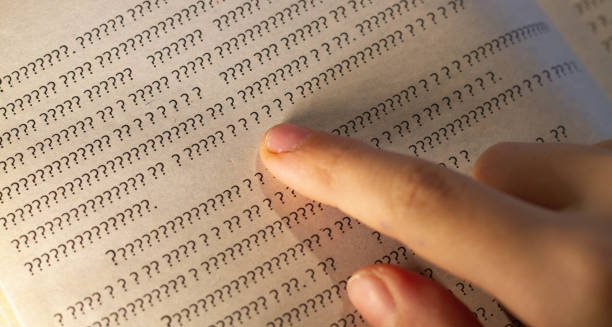
Symptoms of Dyslexia
The symptoms of dyslexia vary from person to person but often involve difficulties with reading, spelling, and writing. These challenges are not due to a lack of intelligence or motivation, but rather a different way of processing language. People with dyslexia may also struggle with short-term memory, sequencing, and time management.
In early childhood, one of the first symptoms of dyslexia is a delay in learning to speak or pronounce words clearly. Children may struggle to rhyme, follow multi-step instructions, or remember the names of letters and sounds. As they begin school, difficulties become more noticeable—reading may be slow, hesitant, and full of errors. They may avoid reading aloud or guess words based on context rather than decoding them.
Spelling is often inconsistent. A child might spell the same word differently within the same paragraph. They may also reverse letters (such as ‘b’ and ‘d’) or write words in the wrong order. While these mistakes are normal in very young learners, they tend to persist longer in those with dyslexia.
Other common symptoms of dyslexia include poor handwriting, difficulty copying from the board, and trouble organising written work. These children often find written tests challenging, even when they know the content. They may take longer to complete tasks and get frustrated or tired during reading or writing activities.
In teenagers and adults, symptoms may include slow reading, difficulty taking notes, challenges with foreign language learning, and problems with planning or time management. Many individuals also experience low self-esteem, especially if their difficulties have gone unnoticed or unsupported.
Symptoms of Dyslexia
It’s important to note that people with dyslexia often have strengths in other areas. These may include problem-solving, creativity, spatial reasoning, and storytelling. Some excel in practical or visual subjects like art, engineering, or drama.
In South Africa, symptoms of dyslexia may be masked in multilingual classrooms. Learners trying to acquire reading and writing skills in a second or third language may be misidentified as having a language delay rather than dyslexia. This makes culturally sensitive and language-aware assessment tools essential in diverse educational settings.
Recognising the symptoms of dyslexia early leads to better outcomes. With targeted support—such as phonics-based instruction, extra time in exams, or the use of assistive technology—learners with dyslexia can make significant progress and gain confidence in their abilities.
[Next: Diagnosis of Dyslexia →]