Edwards’ Syndrome
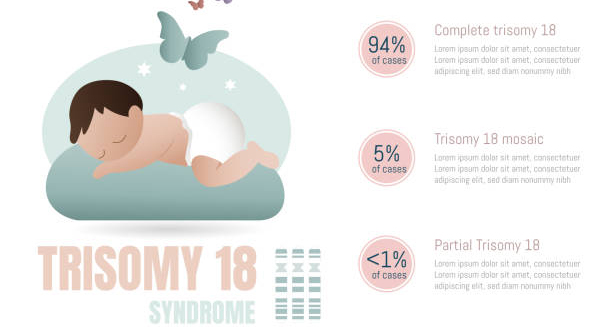
Edwards’ syndrome, also known as trisomy 18, is a serious genetic condition caused by the presence of an extra copy of chromosome 18 in a baby’s cells. This additional genetic material disrupts normal development, leading to severe physical and intellectual disabilities. This syndrome affects around 1 in 5,000 live births, but many pregnancies with this condition end in miscarriage or stillbirth.
The condition was first described by Dr. John H. Edwards in 1960. It occurs randomly during cell division in the early stages of embryo development. Most cases are not inherited and are instead linked to errors during the formation of egg or sperm cells. The risk of having a baby with Edwards’ syndrome increases with maternal age, particularly in women over 35.
Babies born with Edwards’ syndrome often have a low birth weight and a range of physical abnormalities. These may include a small head, clenched fists with overlapping fingers, heart defects, and severe developmental delays. Many also experience breathing difficulties and feeding problems shortly after birth.
Sadly, the condition is associated with a high mortality rate. Most babies with this syndrome die before or shortly after birth. Of those who are born alive, only a small percentage survive past their first year, and those who do face complex medical challenges.
Edwards’ Syndrome
In South Africa, the availability of prenatal screening and diagnostic services varies. In urban areas, pregnant women may be offered blood tests and ultrasound scans that can detect markers for Edwards’ syndrome. However, in rural or under-resourced regions, limited access to these services may delay or prevent early diagnosis.
Despite the severe nature of the condition, some families choose to continue with the pregnancy and provide palliative care after birth. Others may opt for medical intervention where appropriate, depending on the child’s condition and prognosis.
Understanding Edwards’ syndrome helps expectant parents make informed decisions and prepares families and healthcare providers to offer the best support possible—both emotionally and medically.
[Next: Causes of Edwards’ Syndrome →]