
Treatment of Febrile Seizures
The treatment of febrile seizures focuses on managing the seizure, reducing fever, and preventing harm. Febrile seizures usually resolve on their own within minutes and do not require long-term medication or hospitalisation in most cases.
Immediate Steps During a Seizure
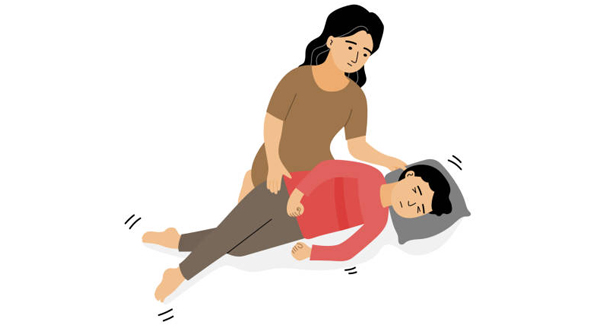
If a child is having a seizure:
Stay calm and place the child on their side (recovery position)
Clear the area of hard or sharp objects
Do not restrain the child’s movements
Do not put anything in the mouth (including food, medicine, or fingers)
Loosen tight clothing, especially around the neck
Time the seizure — seek medical help if it lasts longer than 5 minutes
After the seizure ends, keep the child in the recovery position and allow them to rest. They may be drowsy or confused for a short time.
Reducing the Fever
While fever reduction won’t stop a seizure once it begins, it may help the child feel more comfortable:
Use paracetamol or ibuprofen
Keep the child hydrated
Dress the child in light clothing
Use tepid sponging sparingly—avoid cold baths or ice
These measures may ease discomfort but don’t necessarily prevent febrile seizures.
When to Go to Hospital | Treatment of Febrile Seizures
Take the child to hospital or call emergency services if:
The seizure lasts longer than 5 minutes
The child doesn’t wake up fully after 15 minutes
There is difficulty breathing or bluish skin
The child has a stiff neck, vomiting, or rash
It’s the first febrile seizure or an unusual presentation
Doctors may observe the child briefly and rule out serious infections.
Long-Term Management
Most children do not need daily medication. However:
Children with complex febrile seizures or a strong family history of epilepsy may need further evaluation
Rescue medications like rectal diazepam or buccal midazolam may be prescribed for children who have long seizures
Follow-up with a paediatrician may be advised in certain cases
Parental Reassurance and Education
Parents should be:
Reassured that febrile seizures are not dangerous or harmful in most cases
Educated on what to do during future episodes
Encouraged to treat fevers promptly, not to prevent seizures but to reduce distress
The treatment of febrile seizures is mostly about immediate care and reassurance. With clear instructions and follow-up, most families cope well after the first event.
[Next: Complications of Febrile Seizures →]