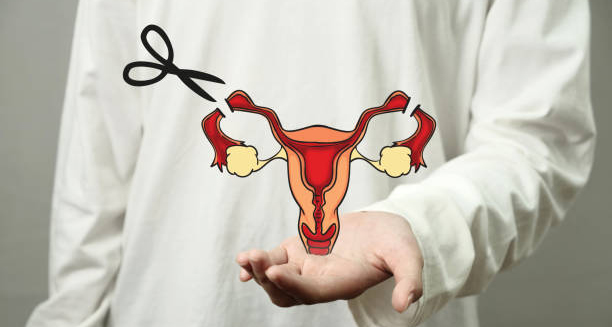
Female Genital Mutilation
These prosedures, Female genital mutilation (FGM) refers to procedures that intentionally alter or injure the female genital organs for non-medical reasons. This mutilation is a violation of human rights and has no health benefits. Instead, it causes severe pain, trauma, and long-term physical and emotional consequences. People mostly carry out FGM on girls between infancy and age 15. Often, without anaesthesia and in unsanitary conditions.
People practice FGM in parts of Africa, the Middle East, and Asia. As well as within certain immigrant communities around the world, including in Europe and North America. Cultural, social, and sometimes religious beliefs deeply root it. Often, aimed at controlling female sexuality or ensuring marriageability.
Female Genital Mutilation
There are four main types of FGM, ranging from partial removal of the clitoris to full infibulation. Where the vaginal opening is narrowed by cutting and repositioning the labia. All forms are harmful and carry risk of complications such as infection, infertility, childbirth complications, and psychological trauma.
FGM has no basis in modern healthcare or religious doctrine. Global campaigns led by the United Nations, WHO, and local organisations are working to eliminate the practice through education, legal reform, and community engagement. Raising awareness about this mutilation is key to ending it and supporting survivors.
[Next: Causes and Cultural Roots of Female Genital Mutilation →]