Diagnosis of Fetal Alcohol Spectrum Disorder
The diagnosis of fetal alcohol spectrum disorder (FASD) is complex and often requires a multidisciplinary approach. Fetal alcohol spectrum disorder can present with a wide range of physical, cognitive, and behavioural features, many of which overlap with other conditions like ADHD, autism spectrum disorder, or learning disabilities.
Early Recognition
Diagnosis begins with:
A detailed medical history, including confirmed or suspected prenatal alcohol exposure
Developmental assessment, focusing on cognitive, social, and motor milestones
Physical examination, looking for facial features and growth patterns
Behavioural observations, particularly attention, memory, and emotional regulation
Many children with FASD do not have the typical facial features, so the absence of physical signs does not rule out the condition.
Diagnostic Criteria
Some countries follow the Canadian Guidelines, CDC definitions, or Four-Digit Diagnostic Code, which assess:
Growth deficiencies – below-average height or weight
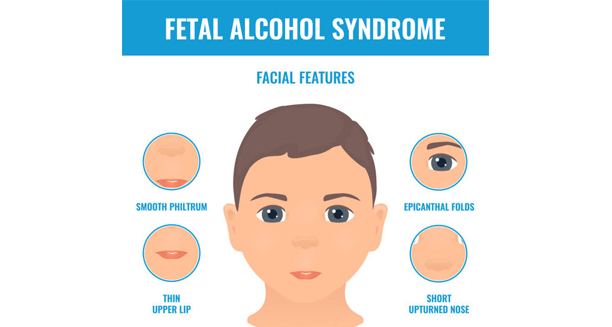
Facial anomalies – smooth philtrum, thin upper lip, small palpebral fissures
Brain function impairment – poor memory, delayed development, learning difficulties
Confirmed alcohol exposure in pregnancy
A diagnosis may be categorised as:
Fetal Alcohol Syndrome (FAS) – includes facial features, growth restriction, and brain involvement
Partial FAS, Alcohol-Related Neurodevelopmental Disorder (ARND), or Neurobehavioural Disorder associated with Prenatal Alcohol Exposure (ND-PAE)
The type depends on which areas of functioning are affected and whether facial or growth features are present.
Diagnostic Tools and Assessments
Neuropsychological testing, to assess cognitive ability, memory, attention, and executive function
Speech and language evaluations
Occupational therapy assessments, especially for fine motor skills and sensory issues
Standardised facial measurements, often using specialised software or clinicians trained in FASD diagnosis
Confirming alcohol exposure can be challenging, particularly in adoption or foster care cases. Diagnosis may still proceed based on developmental concerns and clinical judgement.
Challenges and Misdiagnosis
Many children are misdiagnosed with ADHD, conduct disorder, or autism before FASD is considered
Lack of awareness or stigma about maternal alcohol use may delay referral
In some cases, FASD is never formally diagnosed, but the child still benefits from support services for developmental needs
Diagnosis of Fetal Alcohol Spectrum Disorder
The diagnosis of fetal alcohol spectrum disorder allows children and families to access appropriate support, plan for the future, and understand the root cause of the child’s difficulties.
[Next: Treatment and Support for FASD →]