German Measles
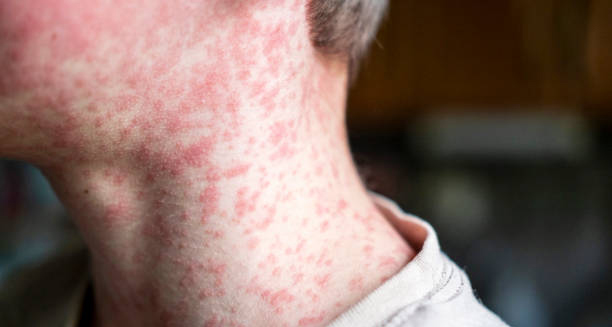
German measles is a contagious viral infection best known for its distinctive red-pink rash and mild flu-like symptoms. Also called rubella, German measles is caused by the rubella virus and typically results in a short, self-limiting illness in children and adults. However, when contracted during pregnancy—particularly in the first trimester—it can have devastating effects on the unborn baby, leading to congenital rubella syndrome (CRS), a serious condition with long-term consequences.
Despite the name, German measles is not related to ordinary measles (rubeola), although the two diseases share similar symptoms. Rubella is usually milder and often goes unnoticed in healthy individuals. However, its ability to cause severe birth defects has made it a primary target for vaccination campaigns across the world.
Thanks to widespread immunisation, the incidence of rubella has dropped dramatically in many countries, including South Africa. Nevertheless, outbreaks still occur, especially in communities with low vaccination rates or limited access to healthcare. This makes public awareness, early diagnosis, and continued vaccine coverage essential in preventing transmission and protecting vulnerable populations.
What Is Rubella?
Rubella is caused by the rubella virus, which belongs to the Togaviridae family. The virus spreads through respiratory droplets, meaning it can be passed on by coughing, sneezing, talking, or sharing drinks and utensils. Once inhaled, the virus multiplies in the nose and throat, then spreads through the bloodstream to other parts of the body.
The incubation period is usually 14 to 21 days, during which time the person may not have symptoms but can still be contagious. Once symptoms appear, individuals are infectious from about 7 days before the rash appears to 7 days after.
Who Is at Risk?
Anyone who hasn’t been vaccinated or previously infected can contract rubella. Populations most at risk include:
Unvaccinated children
Adults who missed immunisation during childhood
Pregnant women without immunity
Healthcare workers in direct contact with patients
Communities with vaccine hesitancy or poor access to healthcare
Even in highly vaccinated countries, rubella remains a risk due to international travel and migration from regions where vaccination is less common.
Signs and Symptoms
Rubella often causes mild or no symptoms, especially in children. When symptoms do appear, they are usually more noticeable in adolescents and adults.
Common signs include:
Pink or red rash, starting on the face and spreading downward to the trunk and limbs
Low-grade fever, typically under 38.5°C
Swollen lymph nodes, especially behind the ears and at the back of the neck
Mild joint pain, more common in adult women
Headache
Fatigue and malaise
Mild conjunctivitis (red or irritated eyes)
The rash usually lasts about three days, which is why rubella is sometimes referred to as “three-day measles.” The rash is not itchy in most cases and may fade without peeling or scabbing.
In many cases, the illness is so mild that people do not realise they have it. However, the virus is still contagious during this time, making it important to stay cautious and informed, especially during outbreaks.
Rubella in Pregnancy
The most serious risk of German measles occurs when a pregnant woman contracts the virus, especially in the first 12 weeks of gestation. The rubella virus can cross the placenta and infect the developing foetus, leading to congenital rubella syndrome (CRS).
CRS can cause a range of birth defects, including:
Deafness
Heart defects
Cataracts and other eye abnormalities
Intellectual disabilities
Growth delays
Liver and spleen damage
Low birth weight or stillbirth
The earlier in pregnancy the infection occurs, the greater the risk of severe outcomes. Because of this, rubella vaccination is strongly recommended for all individuals of childbearing age, and women are advised to wait at least one month after vaccination before conceiving.
Global and Local Impact
Worldwide, rubella has been largely eliminated in countries with robust immunisation programmes. In South Africa, rubella is not yet part of the routine Expanded Programme on Immunisation (EPI), although it may be introduced in future. Some private healthcare providers include the MMR vaccine (measles, mumps, and rubella) as part of childhood immunisation schedules.
In regions where vaccination coverage is poor, rubella remains a leading cause of preventable congenital birth defects. Periodic outbreaks still occur, especially in communities with:
Poor vaccination uptake
Limited public health infrastructure
High population movement
Gaps in maternal screening
Prevention
The best protection against rubella is vaccination. The MMR vaccine is safe, effective, and provides long-lasting immunity. It is usually administered in two doses during childhood, but adults who are unsure of their immunisation status can receive a catch-up dose.
Other prevention strategies include:
Avoiding contact with people showing symptoms of rubella, especially if you are pregnant or immunocompromised
Screening women of childbearing age for rubella immunity
Staying home if you suspect you have rubella, to avoid spreading the virus
Promoting vaccine education to reduce stigma and misinformation
German Measles
Rubella is a preventable disease. Ensuring high levels of immunity through public health education and access to vaccines is the key to eliminating outbreaks and protecting unborn babies.