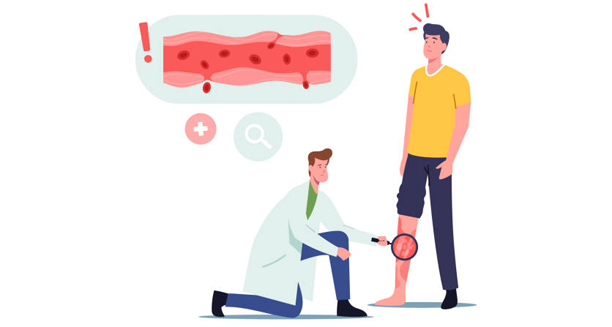
Diagnosis of Granulomatosis with Polyangiitis
The diagnosis of granulomatosis with polyangiitis involves a combination of clinical evaluation, blood tests, imaging, and tissue biopsy. Since the diagnosis of granulomatosis with polyangiitis can be challenging due to its rarity and symptom overlap with other illnesses, it requires a coordinated approach between general practitioners, rheumatologists, nephrologists, and other specialists.
Granulomatosis with polyangiitis (GPA) is an ANCA-associated vasculitis that causes inflammation of blood vessels and tissues. Diagnosis is critical to prevent organ damage that cannot be undone, and early treatment improves outcomes significantly.
Clinical Evaluation
Diagnosis begins with a detailed medical history and physical examination. Key clues include:
Chronic sinus, nasal, or ear infections
Persistent cough or haemoptysis
Blood in the urine or kidney function decline
Joint pains, skin lesions, and systemic inflammation
Symptoms involving multiple systems (e.g. lungs and kidneys)
Because no single symptom is definitive, the pattern of involvement often points toward GPA.
Blood Tests
Several blood tests support the diagnosis and rule out other conditions:
1. ANCA (Anti-Neutrophil Cytoplasmic Antibody) Test
Positive in approximately 80–90% of GPA cases
Most patients test positive for c-ANCA (cytoplasmic ANCA), targeting proteinase 3 (PR3)
A smaller number have p-ANCA, often targeting myeloperoxidase (MPO)
Though not 100% specific, ANCA testing is a valuable tool for diagnosis when interpreted alongside clinical findings.
2. Inflammatory Markers
Elevated ESR (erythrocyte sedimentation rate)
Raised CRP (C-reactive protein)
These non-specific markers indicate active inflammation and help monitor disease activity.
3. Renal Function Tests
Serum creatinine and eGFR to assess kidney function
Urinalysis to detect blood, protein, or red blood cell casts in the urine
Abnormal kidney results often prompt further testing, including biopsy.
Imaging Studies
Imaging helps identify organ involvement and guide biopsy:
Chest X-ray or CT Scan
May reveal lung nodules, cavities, infiltrates, or effusions
Useful for checking disease severity and monitoring response to treatment
Sinus or Ear CT Scans
Show mucosal thickening, bone destruction, or fluid build-up
Can guide surgical sampling in ENT-related cases
Biopsy
Tissue biopsy remains the gold standard for diagnosis. Biopsies may be taken from:
Kidneys – to identify crescentic glomerulonephritis and confirm vasculitis
Lungs – when accessible and safe
Skin – in patients with rashes or ulcers
Nasal or sinus tissue – often inflamed and easier to access
Typical findings include granulomatous inflammation, vasculitis, and necrosis.
Diagnostic Criteria and Scoring
The American College of Rheumatology (ACR) and European Alliance of Associations for Rheumatology (EULAR) provide classification criteria based on symptoms, ANCA status, imaging, and biopsy results. These criteria help standardise diagnosis in both clinical and research settings.
A formal diagnosis often requires several of the following:
ANCA positive
Upper or lower airway involvement
Renal issues or any evidence of glomerulonephritis
Histopathological confirmation of granulomas or vasculitis
Differential Diagnosis
GPA must be distinguished from:
Infections (e.g. tuberculosis, fungal lung infections)
Other vasculitides, such as microscopic polyangiitis or eosinophilic granulomatosis with polyangiitis
Lung cancer or lymphoma
Systemic lupus erythematosus
Goodpasture’s syndrome
Biopsy and ANCA testing are crucial in making these distinctions.
Challenges in Diagnosis
Diagnosis may be delayed due to:
Non-specific early symptoms
Misdiagnosis as sinusitis, pneumonia, or asthma
Intermittent flares and remissions
Negative ANCA test in a small proportion of cases
In these scenarios, repeat testing and tissue sampling may be necessary.
Importance of Early Diagnosis
Early diagnosis allows for prompt initiation of treatment:
Reduces risk of permanent organ damage
Improves survival rates and quality of life
Increases likelihood of achieving remission
With current treatments, many patients can lead full and active lives despite the initial severity of disease.
Conclusion | Diagnosis of Granulomatosis with Polyangiitis
The diagnosis of granulomatosis with polyangiitis requires careful clinical judgment supported by laboratory and histological evidence. Because the diagnosis of granulomatosis with polyangiitis can be difficult in early stages, clinicians must maintain a high index of suspicion in patients with multi-system symptoms. Timely recognition, expert consultation, and comprehensive testing are the foundation for effective management of this complex autoimmune vasculitis.