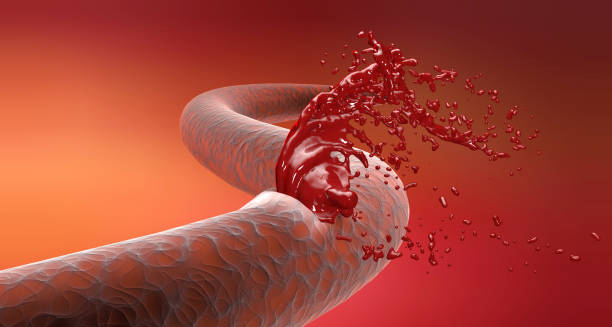
Haemophilia
Haemophilia is a rare genetic bleeding disorder in which the blood does not clot properly due to a deficiency or absence of certain clotting factors. The two main types, Haemophilia A and Haemophilia B, result from deficiencies in clotting factor VIII and IX respectively. People with this condition bleed for longer periods following injury, surgery, or even spontaneously into joints and muscles, often leading to serious complications without appropriate treatment.
This lifelong condition mostly affects males, although females can be carriers and occasionally show mild symptoms. With early diagnosis, access to clotting factor replacement therapy, and ongoing medical management, individuals with Haemophilia can lead active, fulfilling lives. However, untreated or poorly managed cases may result in chronic joint damage, internal bleeding, and life-threatening haemorrhages.
What Happens in Haemophilia?
The blood clotting process involves a cascade of proteins known as clotting factors. When one of these is missing or malfunctioning, the chain reaction necessary for clot formation is disrupted. As a result, people with this condition experience:
Prolonged bleeding after cuts or injuries
Internal bleeding, especially into joints (haemarthrosis)
Easy bruising
Risk of spontaneous haemorrhages, even without trauma
Although Haemophilia is often associated with excessive external bleeding, internal bleeding is more dangerous and frequently goes unnoticed until symptoms arise.
Types of Haemophilia
The condition is categorised based on which clotting factor is deficient:
1. Haemophilia A (Classic Haemophilia)
Caused by a deficiency in factor VIII
Most common form, accounting for around 80% of cases
Severity depends on the level of factor VIII activity in the blood
2. Haemophilia B (Christmas Disease)
Caused by a deficiency in factor IX
Accounts for around 15–20% of cases
Similar symptoms and severity grading as Haemophilia A
Both types are inherited in an X-linked recessive manner, meaning the gene responsible is located on the X chromosome. Males, having one X chromosome, are more commonly affected, while females are typically carriers.
Severity Classification
The severity of this condition is determined by the percentage of clotting factor present:
Severe: <1% activity – spontaneous bleeding common
Moderate: 1–5% activity – bleeding with minor trauma
Mild: 6–40% activity – bleeding usually only with surgery or major injury
Severe Haemophilia often presents early in life, while mild cases may go undiagnosed until adulthood.
Who Is Affected?
Globally, this condition affects about:
1 in 5,000 male births for Haemophilia A
1 in 25,000 male births for Haemophilia B
Although it is present at birth, the disorder may not be recognised immediately unless there’s unusual bleeding after circumcision, immunisation, or falls during toddlerhood.
Signs in Children
Parents may notice:
Large bruises after minor bumps
Swollen, warm, and painful joints (indicating internal bleeding)
Prolonged bleeding after dental visits or cuts
Excessive crying and refusal to move a limb after minor trauma
Prompt diagnosis is critical to prevent long-term damage.
Acquired Haemophilia
In rare cases, people may develop acquired Haemophilia, a condition where the immune system mistakenly produces antibodies that attack clotting factors, usually factor VIII. This can occur in:
Postpartum women
Older adults
Individuals with autoimmune diseases or cancer
Acquired this condition can affect both sexes and requires urgent immunosuppressive and haemostatic therapy.
Diagnosis
Haemophilia is diagnosed through:
Clotting tests, such as activated partial thromboplastin time (aPTT)
Factor assays, which measure the specific clotting factor levels
Genetic testing, especially in families with known Haemophilia
Early diagnosis allows for education, lifestyle planning, and preventive care.
Living with Haemophilia
Though incurable, modern treatment means most patients can enjoy a normal life. Key considerations include:
Avoiding contact sports or activities with high risk of injury
Regular prophylactic infusions for those with severe forms
Access to emergency care and clotting factor products
Dental hygiene and careful planning of surgeries
The creation of comprehensive care centres has improved life expectancy and quality of life dramatically in recent decades.
Conclusion | Haemophilia
Haemophilia is a complex but manageable bleeding disorder with potentially serious implications if untreated. With appropriate therapy, education, and support, individuals with this condition can lead healthy and active lives. Ongoing research into gene therapy and novel treatments holds promise for a future where the burden of this condition may be significantly reduced.