Heart Rhythm Problems
Heart rhythm problems, also known as cardiac arrhythmias, refer to any irregularity in the heart’s natural rhythm. These can range from harmless extra beats to potentially life-threatening disturbances in the way the heart beats. While many heart rhythm problems are benign. Others can disrupt the heart’s ability to pump blood effectively. Increasing the risk of stroke, heart failure, or sudden cardiac death. Understanding the types, triggers, and implications of abnormal heart rhythms is essential to managing overall heart health.
Under normal circumstances, the heart beats in a regular, coordinated pattern due to electrical signals generated by the sinoatrial (SA) node—often referred to as the heart’s natural pacemaker. These signals travel through the heart’s conduction system, prompting the chambers to contract in a synchronised sequence. When there is a disruption in the generation or transmission of these signals, the result is an arrhythmia. The term “arrhythmia” encompasses a broad spectrum of rhythm issues. Including bradycardia (slow heart rate), tachycardia (fast heart rate), and irregular patterns like atrial fibrillation.
One of the most common heart rhythm problems is atrial fibrillation (AFib). In AFib, the upper chambers of the heart (the atria) beat irregularly and out of sync with the lower chambers (the ventricles). This chaotic rhythm can cause the heart to beat too fast, too slow, or with an inconsistent pattern. AFib is a major risk factor for stroke, as blood may pool and form clots in the atria, which can travel to the brain and block blood flow.
Another frequently encountered rhythm issue is supraventricular tachycardia (SVT), a rapid heart rate originating above the ventricles. While usually not life-threatening, SVT can cause palpitations, dizziness, and chest discomfort. Episodes may last from seconds to hours and can often be interrupted with simple vagal manoeuvres or medication.
Heart Rhythm Problems
Ventricular tachycardia (VT) and ventricular fibrillation (VF) are more serious types of arrhythmias that originate in the ventricles. These are medical emergencies. VT can lead to VF, where the heart quivers ineffectively instead of pumping. Without prompt defibrillation, VF can lead to sudden cardiac arrest and death within minutes. These types of heart rhythm problems are often associated with underlying heart disease, previous heart attacks, or structural abnormalities.
Bradycardia, on the other hand, refers to a heart rate that is too slow—typically under 60 beats per minute in adults. While trained athletes may have naturally low heart rates without issues, bradycardia in the general population may cause fatigue, dizziness, fainting, or even heart failure. It often results from ageing, medication side effects, or diseases affecting the heart’s electrical system. In some cases, a pacemaker may be needed to maintain an adequate heart rate.
Premature contractions, either from the atria (PACs) or the ventricles (PVCs), are also common. These extra beats are often felt as skipped or fluttering sensations. In healthy individuals, they are usually harmless and require no treatment. However, frequent premature beats may indicate underlying heart disease or be a precursor to more serious arrhythmias.
Risk factors for heart rhythm problems include high blood pressure, coronary artery disease, heart failure, thyroid disorders, excessive alcohol or caffeine consumption, smoking, recreational drug use (especially stimulants like cocaine), and electrolyte imbalances such as low potassium or magnesium. Inherited conditions, such as Long QT Syndrome or Brugada Syndrome, can also predispose individuals to dangerous arrhythmias from a young age.
Heart Rhythm Problems
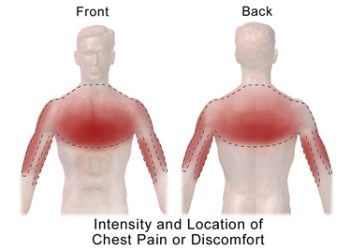
Symptoms of arrhythmias vary widely. Some people remain asymptomatic, discovering the condition only during routine exams or ECGs. Others may experience palpitations, light-headedness, shortness of breath, chest pain, fatigue, fainting spells, or near-fainting episodes. In severe cases, particularly with ventricular arrhythmias, sudden cardiac arrest may be the first sign.
Diagnosing heart rhythm problems often begins with a physical examination and electrocardiogram (ECG). If the arrhythmia is intermittent, doctors may recommend Holter monitoring (24–48 hours) or an event recorder (worn for several weeks). For infrequent but concerning episodes, implantable loop recorders can be placed under the skin to monitor rhythm over months or years.
Treatment depends on the type and severity of the arrhythmia. Benign cases may require no intervention beyond lifestyle changes, such as reducing caffeine or alcohol. More serious rhythm disturbances may be managed with antiarrhythmic medications, catheter ablation (a procedure that targets and destroys the faulty electrical pathway), or implantation of pacemakers and defibrillators.
Heart Rhythm Problems
In summary, heart rhythm problems encompass a broad spectrum of disorders, ranging from mild and occasional palpitations to life-threatening arrhythmias requiring urgent care. With early detection, accurate diagnosis, and appropriate treatment, many individuals live healthy lives despite their rhythm issues. Ongoing monitoring and lifestyle adjustments are often key to long-term stability and heart health.