Complications of Henoch-Schönlein Purpura
The complications of Henoch-Schönlein purpura (HSP) can range from mild and self-limiting to severe and long-term, depending largely on which organs are involved and how early the condition is recognised and managed. While most cases in children resolve without permanent damage, a small proportion of individuals develop more serious consequences—especially if kidney involvement occurs. Understanding the potential complications of Henoch-Schönlein purpura is essential for timely intervention, monitoring, and long-term follow-up.
The most significant and potentially serious complication of HSP is kidney involvement. When small blood vessels in the kidneys become inflamed—a condition called IgA nephropathy—blood and protein may leak into the urine. Doctors usually find this early by testing the urine with a dipstick, and it might not cause clear symptoms at first. While most patients with mild kidney problems recover fully, about 5–10% may develop chronic kidney disease or worsening kidney failure, especially if doctors don’t watch the condition closely. Adults with HSP are more likely than children to suffer from long-term kidney issues, especially if they have high protein in their urine, high blood pressure, or poor kidney function when diagnosed.
Nephrotic syndrome, a condition where the kidneys leak large amounts of protein, can occur in more severe cases. It may present with swelling (oedema) around the eyes, legs, or abdomen, as well as fatigue and frothy urine. This complication requires specialist care and often involves the use of corticosteroids or immunosuppressants. Long-term follow-up is crucial, and patients may need to avoid medications or lifestyle factors that place extra strain on kidney function.
Complications of Henoch-Schönlein Purpura
Another possible renal complication is hypertension (high blood pressure), which may result from impaired kidney function or increased vascular inflammation. If left untreated, this can increase the risk of cardiovascular disease later in life. Regular blood pressure monitoring is a vital component of follow-up care for anyone diagnosed with HSP who has shown signs of kidney involvement.
Beyond renal issues, gastrointestinal complications can occur, particularly in children who present with severe abdominal symptoms. One of the most serious of these is intussusception, where part of the bowel telescopes into itself, causing obstruction. This can lead to intense abdominal pain, vomiting, blood in the stool, and, if untreated, bowel necrosis. Intussusception requires urgent surgical intervention and is considered a paediatric emergency.
Bowel wall thickening
Other gastrointestinal complications may include bowel wall thickening, gastrointestinal bleeding, or, in rare cases, bowel perforation, which can result in peritonitis. Children with persistent or severe abdominal symptoms should be evaluated quickly using imaging studies such as abdominal ultrasound to rule out such issues.
Joint complications from HSP are generally mild and temporary. While many children and adults experience joint pain and swelling—particularly in the knees and ankles—these symptoms typically resolve without long-term damage. Unlike other autoimmune diseases such as juvenile arthritis or lupus, HSP does not usually lead to chronic joint deformities or disability. However, in rare cases, recurrent inflammation may cause prolonged discomfort or stiffness.
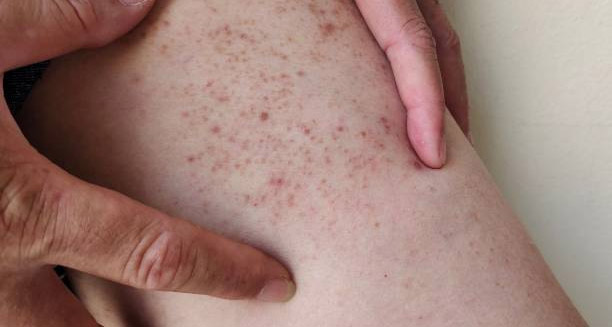
The skin complications associated with HSP are usually limited to the characteristic purpuric rash. In most patients, the rash goes away on its own without leaving scars. However, if the inflammation is severe or if the patient scratches, the skin sores can break open or get infected. This can cause wounds that heal slowly or leave skin discoloration. Proper skin care and avoiding irritants help reduce this risk.
In adolescents and adults, HSP can occasionally affect the reproductive system. For example, boys may get testicular pain and swelling, which can look like testicular torsion—a condition needing emergency surgery. Usually, inflammation of the blood vessels in the scrotum causes this, and it gets better with supportive care. However, a medical professional should always check it to rule out other causes.
Complications of Henoch-Schönlein Purpura
Neurological complications are rare but have been reported. These may include headaches, seizures, or even changes in mental status if the central nervous system becomes involved. Usually, doctors see these problems only in severe or unusual cases, so they need immediate medical evaluation. Similarly, pulmonary involvement, such as coughing or haemoptysis (coughing up blood), is very rare but can occur when the vasculitis affects lung tissue.
In a small number of cases, especially in adults, relapses of HSP may occur. These are usually milder than the initial episode and often involve the return of the rash or joint pain. Recurrent HSP typically resolves on its own but may require repeat treatment in some cases. Frequent relapses can be emotionally distressing and may warrant a longer-term treatment plan, particularly if kidney involvement returns or worsens.
Psychosocial complications, while not physically dangerous, are often overlooked. Children and adolescents with recurrent or prolonged symptoms may miss school, experience anxiety, or struggle with body image due to visible rashes and swelling. Parents may experience significant stress due to the unpredictability of the disease. Providing clear information, reassurance, and ongoing support can help mitigate these issues and foster emotional resilience.
In rare circumstances, long-standing kidney disease due to HSP can progress to end-stage renal failure, requiring dialysis or kidney transplantation. Fortunately, this is uncommon and usually only occurs in patients who either did not receive timely monitoring or who had severe renal involvement at the onset of illness. Early identification and regular follow-up remain the best strategies for preventing this outcome.
Complications of Henoch-Schönlein Purpura
In summary, the complications of Henoch-Schönlein purpura can affect various organs but are usually manageable with early intervention and regular follow-up. The most serious risks involve the kidneys and gastrointestinal system, although most patients—particularly children—recover fully. Close monitoring of urine, blood pressure, and abdominal symptoms is key to preventing long-term damage. By recognising warning signs early and treating them appropriately, the majority of individuals with HSP enjoy a complete and uncomplicated recovery.