Mental Matters

Alcohol Poisoning

Alcohol Poisoning

Alcohol Poisoning

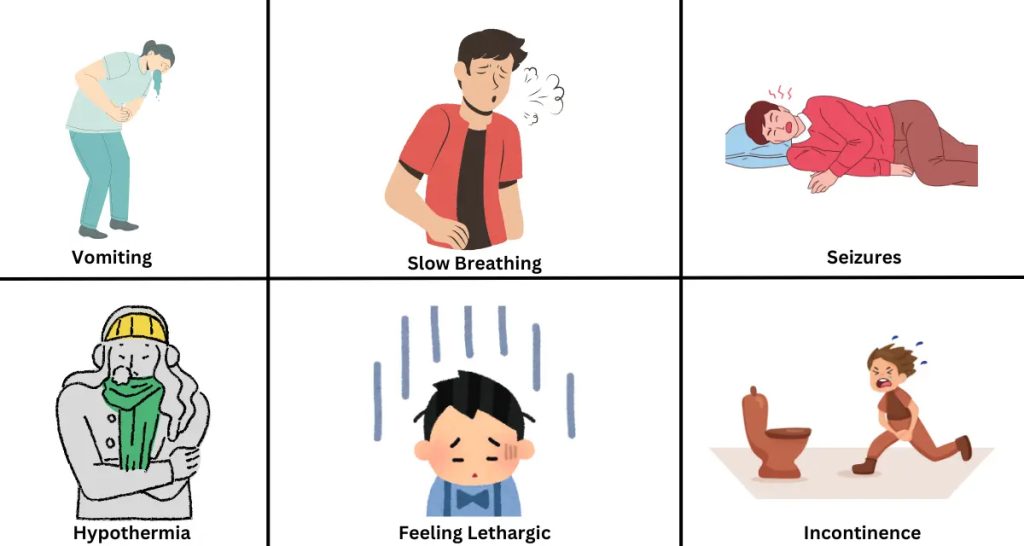
Alcohol Poisoning Overview Alcohol poisoning is a serious and potentially fatal medical emergency that occurs when a person consumes a large amount of alcohol in a short period. It overwhelms the body’s ability to process the substance, leading to dangerous levels of alcohol in the bloodstream. This can slow or stop basic life functions like breathing, heart rate, and body temperature regulation. Unlike a regular hangover or mild intoxication,poisoning is life-threatening. It most often results from binge drinking, where someone consumes a high quantity of alcohol — especially spirits or mixed drinks — in a short timeframe. In South Africa, this is a growing concern among university students and at social events where alcohol is freely available or encouraged. The liver processes most of the alcohol we consume, but it can only handle about one standard drink per hour. Drinking faster than the liver can cope leads to a toxic buildup in the bloodstream. This is even more dangerous when alcohol is combined with other depressant substances like sedatives, cannabis, or certain medications. Signs ofpoisoning include: It’s critical to treat alcohol poisoning as an emergency. Delaying medical intervention can lead to brain damage, coma, or death. Many people mistakenly assume someone just needs to “sleep it off” — this is one of the most dangerous misconceptions surrounding alcohol. Understanding the causes of alcohol poisoning helps us better recognise and prevent it, especially in settings like parties, student residences, and public gatherings. 👉 [Next: Causes of Alcohol Poisoning] Diagnosis of Alcohol Poisoning Goodbye Drama, Hello You Complications of Alcohol Poisoning Treatment for Alcohol Poisoning
Alcohol Poisoning Read More »

Causes of Alcohol Poisoning

Causes of Alcohol Poisoning

Causes of Alcohol Poisoning Alcohol poisoning occurs when the amount of ethanol in a person’s bloodstream becomes toxic. Often due to rapid or excessive alcohol intake. In causes of Alcohol Poisoning several factors can contribute to this dangerous situation. Including drinking habits, physical health, and environmental influences. Binge Drinking The most common cause is binge drinking, defined as consuming five or more drinks in a row for men, or four or more for women. Usually within two hours. Large volumes of alcohol consumed quickly don’t give the liver enough time to break it down safely. Instead, alcohol builds up in the bloodstream, suppressing vital body functions. High-Strength Alcohols and “Spiking” Consuming strong spirits, especially in quick succession or in combination with unknown substances (such as when drinks are “spiked” with drugs), can rapidly lead to poisoning. In South Africa, there have been increasing reports of spiked drinks at clubs and bars, placing unsuspecting individuals at serious risk. Body Size and Tolerance People with a smaller body mass, younger individuals, or those with little alcohol tolerance are more vulnerable. What might not affect one person could be deadly for another. Inexperience with alcohol is a key risk factor, particularly among teenagers and university students. Mixing with Other Substances Combining alcohol with other drugs — especially opioids, sedatives, or sleep aids — increases the likelihood of respiratory failure. Even small amounts of alcohol can be fatal when mixed with these medications. Mental Health and Peer Pressure In some cases, alcohol poisoning results from deliberate overconsumption, such as during dares, drinking games, or attempts at self-harm. Emotional distress or social pressure may push individuals to drink past their limit. Understanding these triggers is vital for both prevention and intervention — particularly in settings where alcohol is consumed quickly or without supervision. 👉 [Next: Diagnosis of Alcohol Poisoning] Goodbye Drama, Hello You Treatment for Alcohol Poisoning Diagnosis of Alcohol Misuse Complications of Alcohol Poisoning Alcohol Poisoning

Causes of Alcohol Poisoning Read More »

Diagnosis of Alcohol Poisoning

Diagnosis of Alcohol Poisoning

Diagnosis of Alcohol Poisoning For the Diagnosis of Alcohol Poisoning, based on a combination of visible symptoms, physical examinations, and blood alcohol concentration (BAC) testing. Quick and accurate diagnosis is critical to saving lives. Visible Symptoms Healthcare workers first look for signs such as: In severe cases, the individual may be non-responsive with signs of hypothermia, bluish lips, or gurgling noises when breathing. It’s important to note that not all signs appear at once, and the person may deteriorate rapidly. Medical Evaluation If alcohol poisoning is suspected, emergency responders or hospital staff will: In South Africa, public and private emergency services are trained to treat alcohol poisoning, but delays in calling for help remain a significant barrier. Friends often hesitate to involve authorities due to fear of getting into trouble — particularly in underage or university environments. Blood Alcohol Levels A BAC level of 0.30% or higher is considered life-threatening. The legal driving limit in South Africa is 0.05%, showing just how small the margin is between “buzzed” and critically ill. Mental State Evaluation If the individual wakes, they may be assessed for memory loss, coordination, and emotional stability to rule out alcohol-induced delirium or co-existing mental health issues. Fast, informed action saves lives. The sooner alcohol poisoning is recognised and treated, the better the outcome. Related Topics Diagnosis of Alcohol Poisoning, Alcohol toxicity diagnosis, Blood alcohol test, Medical evaluation, Alcohol overdose symptoms, Emergency diagnosis, BAC levels, Clinical assessment, Poisoning detection, Alcohol poisoning signs, Hospital tests, Acute intoxication, Toxicology screening, Alcohol-related emergencies 👉 [Next: Treatment for Alcohol Poisoning] Causes of Alcohol Poisoning Complications and Recovery from Carbon Monoxide Poisoning Alcohol Poisoning Complications of Alcohol Poisoning

Diagnosis of Alcohol Poisoning Read More »

Treatment for Alcohol Poisoning

Treatment for Alcohol Poisoning
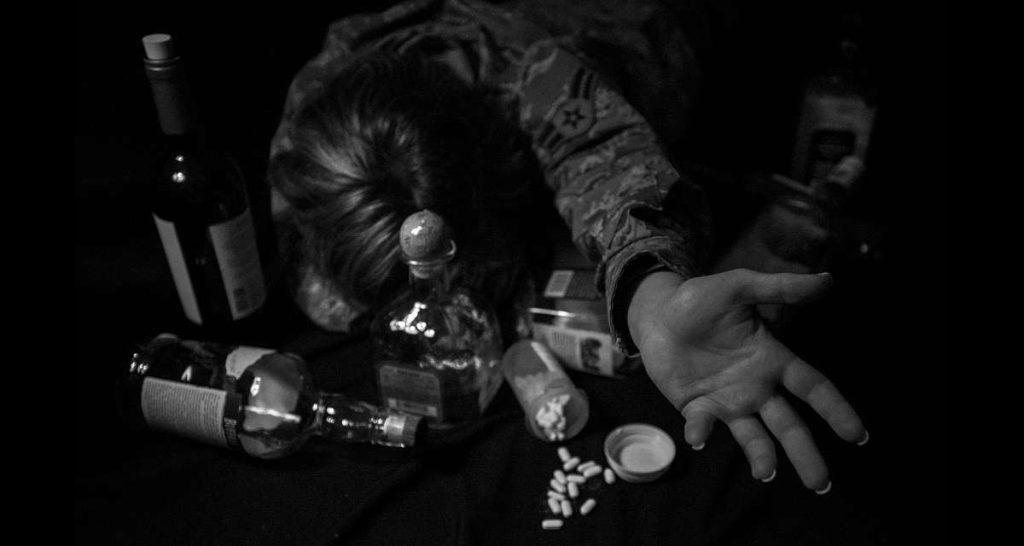
Treatment for Alcohol Poisoning Alcohol poisoning requires immediate medical attention. Treatment for Alcohol Poisoning is not something that can be done at home — trying to “sleep it off” or giving food or coffee may actually worsen the condition. Emergency Response When alcohol poisoning is suspected, call emergency services immediately. In South Africa, you can dial 112 from any mobile phone or 10177 for ambulance services. While waiting for help: Hospital Treatment In hospital, treatment focuses on stabilising vital functions. This may include: Hospitalisation may last from several hours to a few days depending on complications. Monitoring and Aftercare Even after recovery, patients are monitored for alcohol-related brain damage, aspiration pneumonia (from vomiting), or kidney failure. In cases involving underage drinking or intentional overdose, psychological assessment and counselling are often recommended. Treating alcohol poisoning is only the beginning. Addressing the underlying cause — whether it’s binge drinking culture, peer pressure, or mental health struggles — is critical to preventing future episodes. 👉 [Next: Complications of Alcohol Poisoning] Treatment of Carbon Monoxide Poisoning Complications and Recovery from Carbon Monoxide Poisoning Diagnosis of Alcohol Poisoning Alcohol Poisoning
Treatment for Alcohol Poisoning Read More »

Complications of Alcohol Poisoning

Complications of Alcohol Poisoning

Complications of Alcohol Poisoning Alcohol poisoning can have long-lasting and sometimes fatal consequences, complications of Alcohol Poisoning. Even when a person survives, the experience can leave behind serious complications — some of which are preventable with early intervention. Immediate Complications Long-Term Damage If treatment is delayed, alcohol poisoning can result in: Psychological and Social Fallout | Complications of Alcohol Poisoning Survivors may face guilt, fear, or social embarrassment, particularly if their poisoning occurred at a public event or resulted in police involvement. Some go on to develop alcohol dependence, especially if no intervention follows. Families also experience the effects. Parents, partners, or friends who witness alcohol poisoning often suffer emotional trauma and may struggle with how to support the individual afterward. Prevention Matters Education, responsible drinking campaigns, and easy access to emergency care can dramatically reduce the frequency and severity of alcohol poisoning — especially among youth and high-risk communities. South African schools, universities, and health departments are increasingly promoting alcohol harm reduction strategies, but more work is needed to change cultural attitudes around binge drinking. 👉 End of Series | Back to Overview Treatment of Carbon Monoxide Poisoning Complications and Recovery from Carbon Monoxide Poisoning Diagnosis of Alcohol Poisoning Treatment for Alcohol Poisoning

Complications of Alcohol Poisoning Read More »

Scroll to Top