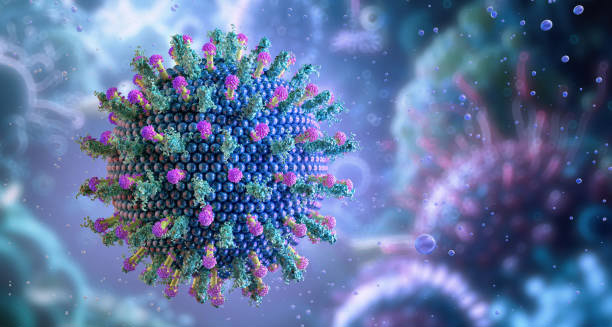
Causes of Hepatitis A
The causes of hepatitis A are directly linked to how the hepatitis A virus (HAV) spreads. The virus mainly spreads when someone eats or drinks something dirty with poop from an infected person. So, poor toilets, bad hygiene, and unsafe food handling are the biggest causes. This is most common in places with little clean water and poor waste control.
HAV is a tough virus. It stays alive on surfaces, in water, and in food left at room temperature. Once inside the body, it goes to the liver through the blood. There, it grows inside liver cells. The body fights back, which causes the liver to swell and brings the common signs of hepatitis A.
How the Environment Causes Hepatitis A
One big cause of hepatitis A is eating or drinking things that are not clean. This happens a lot in poor places or after disasters where toilets and clean water are not available. Common ways the virus spreads include:
- Drinking water from unsafe wells or dirty water systems.
- Eating raw or half-cooked shellfish like oysters from dirty water.
- Eating fruits or veggies washed or grown with dirty water.
- Buying street food or meals from unclean places, especially in areas with a lot of hepatitis A.
In areas where hepatitis A is very common—like parts of Africa, Asia, the Middle East, Latin America, and Eastern Europe—kids often get infected before age five. Most of them do not feel sick but become immune forever. Even so, they can still pass the virus to others without knowing.
In rich countries with clean water and toilets, people do not get the virus when young. This makes adults more at risk. When adults catch it, they get sicker than kids. So, more adults get sick when the virus shows up. That is why vaccines are very important for people traveling to these places.
Person-to-Person Causes of Hepatitis A
Hepatitis A also spreads easily from person to person. The virus is in the poop of sick people and spreads most before people even know they are sick. Close contact helps the virus spread quickly, especially in homes, schools, and day-care centers where people forget to wash their hands.
Certain groups of people are more likely to get hepatitis A:
- People traveling to risky places, especially if they drink local water or eat local food.
- Kids and workers in day-care centers, since they have a lot of close contact.
- Men who have sex with men, since certain sexual activities make it easier to spread.
- Homeless people, since they have little access to toilets or clean water.
- People in prison, where too many people and bad hygiene help the virus spread.
- Food workers, because if they get sick, they can pass the virus to many people without knowing.
It is good to know that hepatitis A does not spread through blood like hepatitis B and C. But very rarely, it can spread through blood donations if the person giving blood is already infected but feels fine. Blood screening today makes this very rare.
The virus can also sneak in through food brought in from other countries. Some outbreaks have come from frozen berries, salads, and other foods that people do not cook before eating. Cooking would kill the virus, but since these foods are eaten raw, the virus survives.
HAV is strong. It can handle heat up to 60°C (140°F) for a little while. In addition, it also survives drying, freezing, and many cleaning products. It can stay on things like kitchen counters, bathroom sinks, and door handles for days. This means touching dirty things can also cause infection.
Causes of Hepatitis A and Outbreak Risks
During an outbreak, finding out where the virus started can be hard. The virus takes 15 to 50 days before signs show. People can pass it to others during this time without knowing. Once people feel sick, it is harder to track how the virus spread, especially where health services are weak.
Rarely, hepatitis A spreads in hospitals. This happens when staff do not follow proper cleaning steps. Sick patients who need help in the bathroom can spread the virus to others if good hygiene is not followed.
How to Stop the Causes of Hepatitis A
To stop hepatitis A, many things help, including:
- Vaccines for people at risk like travelers, people with liver problems, certain men, and food workers.
- Building clean toilets and water systems in poor areas.
- Safe food and water rules, especially for food workers.
- Teaching people to wash their hands after using the toilet and before touching food.
Causes of Hepatitis A Summary
To sum up, the causes of hepatitis A mostly come from eating or drinking things with the virus or close contact with sick people. Clean places, safe food, and good public health steps like vaccines are key to stopping it. By fixing these causes, people can lower their chances of catching hepatitis A and protect others too