The treatment of hernia depends on various factors, including the hernia type, size, location, severity of symptoms, and the patient’s overall health.
For some people, small and painless hernias can be monitored over time without immediate surgery. However, most hernias eventually need a surgical repair to avoid serious problems. The main goal of the treatment of hernia is to return the bulging tissue to its correct place and strengthen the weak muscle wall. This helps prevent the hernia from coming back. Choosing the right approach depends on controlling symptoms, avoiding complications, and protecting the patient’s overall quality of life.
Conservative and Surgical Options
If a hernia is small, not painful, and not growing, doctors may suggest watchful waiting. This means the patient is regularly checked, and surgery is delayed unless symptoms worsen. During this time, patients are advised to avoid heavy lifting, straining, or other activities that raise pressure inside the belly. They are also told to watch for warning signs like sudden pain, redness, or a growing bulge. While this approach buys time, it does not fix the problem and is only safe when the risk of complications is low.
In most cases, especially when hernias grow or cause discomfort, surgery is the best option. There are two main surgical techniques: open repair and laparoscopic (keyhole) repair. The right choice depends on where the hernia is, the patient’s history, and the surgeon’s experience.
Open hernia repair is the traditional method. The surgeon makes a cut near the hernia, moves the tissue back inside, and repairs the muscle wall. A mesh is often placed over the weak area to prevent the hernia from returning. This mesh acts like a patch and blends into the body over time. Open repair can be done under local or general anaesthesia and works well for larger or more complicated hernias.
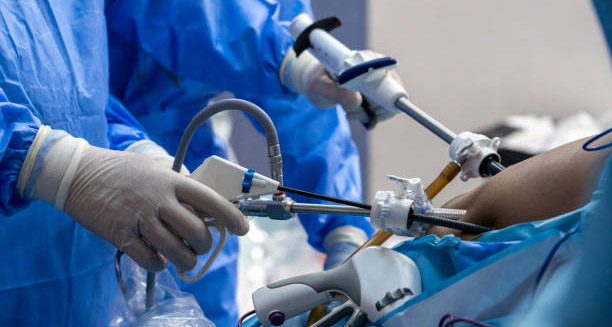
Laparoscopic repair uses small cuts and a camera called a laparoscope. The surgeon repairs the hernia from inside the belly, usually using mesh as well. Since the cuts are small, patients often feel less pain and recover faster. This method is ideal for patients with hernias on both sides or those who had previous open repairs. However, it requires general anaesthesia and may not be an option for patients with lots of scar tissue.
Special Cases and Recovery
The treatment of hernia in the chest—called hiatal hernia—usually starts with lifestyle changes. These include eating smaller meals, avoiding acidic foods, losing weight, and staying upright after eating. Medicines like antacids, H2 blockers, or proton pump inhibitors help control acid reflux. If these methods fail or serious problems arise, surgery may be needed. The most common surgery is Nissen fundoplication, where the upper part of the stomach is wrapped around the lower oesophagus. This stops reflux and moves the stomach back into the abdomen.
Children with hernias also need special care. Inguinal hernias in kids do not go away on their own and often require early surgery to avoid complications. In contrast, umbilical hernias in babies usually close naturally by age three to five. If they don’t, or if problems develop, surgery is considered. These procedures are usually safe and have short recovery times.
One of the biggest advances in the treatment of hernia is the use of surgical mesh. Mesh repairs are more durable than traditional methods, especially for large or tough hernias. Still, mesh use has raised concerns. Rare issues include infection, long-term pain, or mesh shifting out of place. Despite this, mesh remains a trusted and effective tool when used correctly by trained surgeons.
Recovery
Recovery after surgery depends on the procedure and the patient. After open repair, people usually return to light activity in one to two weeks, with full recovery in four to six weeks. After laparoscopic repair, healing is often faster—many patients resume normal tasks in about one to two weeks. During recovery, it’s important to avoid heavy lifting, eat healthy foods, manage pain properly, and attend follow-up visits.
Although rare, post-surgery problems can include infection, bleeding, nerve injury, pain, or the hernia coming back. Following the doctor’s advice during recovery helps lower these risks. Patients should call their provider if they notice a fever, redness around the wound, or a bulge returning.
For patients who can’t have surgery due to age or illness, non-surgical supports like trusses or hernia belts can offer short-term relief. These devices hold the hernia in place and reduce pain during movement. But they don’t solve the problem and may lead to issues if used too long without a surgical plan.
In summary, the treatment of hernia depends on the individual. While non-surgical care works for some people, surgery is often the best way to fix the issue and prevent future problems. Thanks to newer techniques and better materials, most patients recover well and go back to daily life. Acting early and following good post-op care help ensure long-lasting results and fewer complications.