The causes of Hodgkin lymphoma are not entirely understood, but research has found several biological, genetic, and environmental factors that may lead to this rare cancer. Like many cancers, Hodgkin lymphoma happens because of abnormal changes in the DNA of certain cells — in this case, lymphocytes that are part of the immune system. No single cause explains most cases. Instead, scientists think a mix of inherited traits, viral infections, and immune problems plays a key role. Understanding the causes of Hodgkin lymphoma helps improve diagnosis, treatment, and identifying people at higher risk.
How Hodgkin Lymphoma Develops
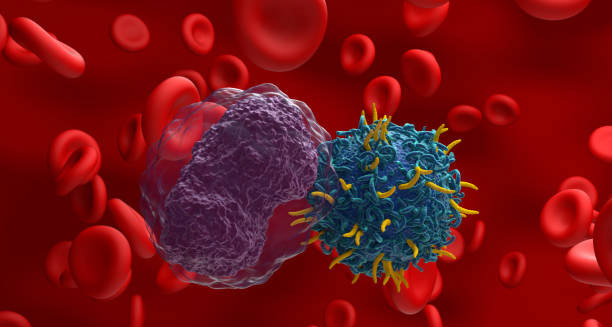
The disease starts with changes in B lymphocytes, a kind of white blood cell that makes antibodies. In Hodgkin lymphoma, these cells get genetic changes that stop them from dying when they should. Because of this, they survive and multiply uncontrollably. These bad B cells often turn into Reed-Sternberg cells, which are a key sign of classical Hodgkin lymphoma. These abnormal cells weaken the nearby immune cells and help the disease spread through lymph nodes.
Epstein-Barr Virus and Hodgkin Lymphoma
One of the most important causes of Hodgkin lymphoma is infection with the Epstein-Barr virus (EBV), the same virus that causes glandular fever (mononucleosis). Studies show people infected with EBV have a higher chance of getting Hodgkin lymphoma later in life. Around 40% of Hodgkin lymphoma cases worldwide have EBV DNA in Reed-Sternberg cells. This number changes depending on where people live and their age. Even though EBV infects most people at some point, it only causes cancer in a small number of them. Scientists do not yet know why.
Immune System Weakness
People with weak immune systems are more likely to get Hodgkin lymphoma. This includes those with HIV/AIDS, patients on medicines that lower immunity after organ transplants, and people born with immune problems. When the immune system is weak, it can’t easily find and destroy cells that start turning cancerous. This allows abnormal B lymphocytes to survive and grow.
Genetic Risk Factors
Genetics also play a role in the causes of Hodgkin lymphoma. It is not usually passed down like some inherited cancers. However, having a close family member, especially a sibling, with Hodgkin lymphoma raises the risk. Studies with twins and populations suggest there is a family link. Scientists think that common genetic differences may slightly change how the immune system or B cells work. This change may raise the chance of cancer when combined with environmental triggers.
Immune System Activation and Autoimmune Diseases
Long-term immune system activity may also add to the causes of Hodgkin lymphoma. Conditions like rheumatoid arthritis, lupus, and sarcoidosis link to a small increase in lymphoma risk. Although the exact reason is unclear, ongoing immune system activation might cause more mutations in lymphocytes.
Environmental and Occupational Factors
Experts are studying if certain chemicals and exposures may increase risk. Some suggest pesticides, solvents, and industrial chemicals might contribute, especially for people working in farming or factories for long periods. However, this is not proven yet, and more research is needed to see if these factors cause Hodgkin lymphoma or just reflect other risks.
Lifestyle Factors
Lifestyle choices are not main causes but might play some role. For example, smoking relates to many cancers and may increase lymphoma risk in some groups. Obesity and poor diet might also harm the immune system or work with other risks. These factors are more clearly linked to non-Hodgkin lymphoma but are being studied in Hodgkin lymphoma too.
Age, Socioeconomic Status, and Risk
Age and wealth seem to affect risk patterns. Hodgkin lymphoma peaks twice: in young adults (15–35 years) and in older adults over 60. In rich countries, it happens more in young adults from well-off backgrounds. This might be because they get exposed to common viruses like EBV later in childhood. Delayed infection can increase risk. Early exposure might help the immune system control the virus better and lower risk later.
Hormones and Gender Differences
Research is looking at why men get Hodgkin lymphoma slightly more than women. Though the difference is small, it is consistent worldwide. Hormones might affect immune system control, B-cell growth, or EBV activity. These effects could explain some of the difference.
Complex and Unclear Causes
Most people with Hodgkin lymphoma do not have a clear cause. Many have no family history, no known EBV infection, and no immune problems. This shows how complex the disease is. It likely involves many overlapping genetic, immune, and environmental factors.
Future Directions in Prevention and Research
Currently, most cases cannot be prevented. But better knowledge of the causes of Hodgkin lymphoma may one day allow targeted screening, genetic advice, or vaccines — especially against viruses like EBV. Scientists also want to find markers that predict risk or catch the disease early.
Summary of Causes of Hodgkin Lymphoma
The causes of Hodgkin lymphoma have many parts and are not fully known. Important factors include Epstein-Barr virus infection, weak immune systems, genetics, and possibly environmental exposures. Ongoing research will help improve prevention and create better, more precise treatments based on each patient’s disease biology.