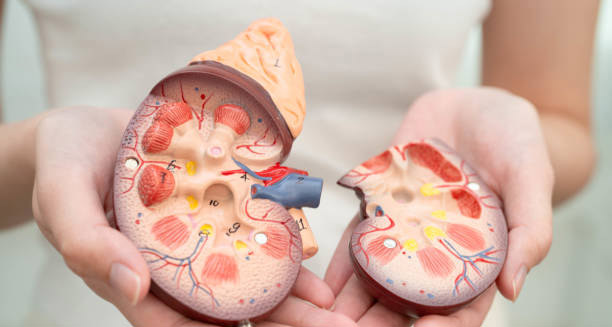
The complications of hydronephrosis can range from mild urinary disturbances to severe, irreversible kidney damage. Many cases get found and treated early, but untreated or long-lasting hydronephrosis can cause serious health problems. Knowing the complications of hydronephrosis helps both patients and doctors understand why early treatment and regular checks matter to protect kidney function and avoid wider health issues.
Hydronephrosis is not a disease by itself. Instead, it shows there is a blockage or problem in the urinary system. If urine builds up for too long, it can stretch and harm the delicate kidney tissues. This damage stops the kidneys from filtering waste and balancing fluids and salts properly. These problems can lower quality of life, raise the chance of infection, and in some cases, cause life-threatening situations.
Permanent Kidney Damage
One of the most serious complications of hydronephrosis is permanent damage to the kidneys. When urine pressure stays high for a long time, it can squeeze and destroy the tiny filtering parts of the kidney called nephrons.
- Kidney Tissue Shrinks: The working part of the kidney gets smaller and scarred, which lowers its ability to clean blood.
- Kidney Function Loss: In bad cases, the kidney might stop working completely and may need removal.
- Both Kidneys Affected: If this happens in both kidneys, there is a much higher risk of complete kidney failure.
Kidney damage cannot be reversed once it happens. So, finding and treating hydronephrosis early is very important to avoid this.
Urinary Tract Infections (UTIs)
When urine stays in the kidney too long because of hydronephrosis, it creates a perfect place for bacteria to grow. This raises the risk of urinary tract infections.
- Serious Kidney Infection: Bacteria can reach the kidneys and cause pain in the side, fever, chills, and nausea. This is an emergency, especially if urine flow is blocked.
- Repeated Infections: Long-term hydronephrosis often leads to repeated infections, which can further harm the kidneys or make treatment harder.
- Antibiotic Resistance: Using antibiotics too often can lead to bacteria that do not respond to medicines, making future infections difficult to treat.
Women, children, and people with urinary tract problems are more likely to get UTIs linked to hydronephrosis.
Sepsis and Septic Shock
If an infection from hydronephrosis spreads through the body, it can cause sepsis — a serious and dangerous reaction to infection.
- Bacteria in the Blood: Bacteria can leave the infected kidney and enter the bloodstream, spreading infection throughout the body.
- Septic Shock: This causes a dangerous drop in blood pressure and organ failure. It can be fatal without fast treatment.
- Hospital Care Needed: People with sepsis often need intensive care, strong antibiotics through veins, and fluids.
This is especially risky for older adults, people with weak immune systems, and those with kidney disease.
Electrolyte Imbalance and Fluid Retention
Hydronephrosis affects the kidney’s job of balancing fluids and salts in the body, which can cause problems like:
- High Potassium: Too much potassium can cause weak muscles, irregular heartbeat, or even heart failure.
- Acid Build-Up: Poor acid control may cause tiredness, fast breathing, and confusion.
- Too Much Fluid: If both kidneys or one bad kidney causes fluid build-up, swelling can happen in the legs or face, and blood pressure can worsen.
These problems can stress other organs, especially the heart.
Bladder and Ureter Damage
Long-lasting pressure from hydronephrosis can harm the bladder and ureters (the tubes that carry urine from kidneys to bladder).
- Narrowed Ureters: Scar tissue may form and block urine flow in the ureters.
- Weak Bladder: Overstretched bladder muscles can cause urine retention or leaking. Some people may develop nerve-related bladder problems, especially after spinal injuries.
- Backward Urine Flow: Urine can flow backward from the bladder to the kidneys, making hydronephrosis worse and raising infection risk.
Sometimes surgery is needed to fix these problems and restore normal urine flow.
Impaired Growth and Development in Children
If hydronephrosis in children goes untreated, it can affect their physical and mental growth.
- Poor Growth: Chronic illness, weak appetite, and repeated infections can stop children from growing well or gaining weight.
- Delayed Milestones: Pain, hospital visits, and tiredness may slow down learning to walk, talk, or other key skills.
- Lower Kidney Reserve: Kids with one damaged kidney face higher risks of kidney problems later in life.
Doctors should carefully watch these children and may need to perform surgery early to prevent long-term damage.
Pregnancy Complications
Pregnant women can get hydronephrosis more easily because of hormonal changes and pressure from the growing uterus on the ureters. Many cases go away after birth, but some cause problems.
- Early Labour: Severe pain or infection can start contractions too soon.
- Baby Stress: If the mother’s health or kidney function is poor, the baby might suffer too.
- Difficult Birth: Infections or surgeries during pregnancy can make delivery more risky.
Doctors who care for pregnant women and urinary problems need to work closely together to keep both mother and baby safe.
Need for Nephrectomy
If a kidney becomes badly damaged and stops working, doctors may need to remove it in surgery called nephrectomy.
- Non-Working Kidney: A dead kidney can cause infections or other problems.
- Pain Relief: Removing a painful, swollen kidney can ease discomfort.
- Cancer Risk: In rare cases, long-term blockages or infections can raise the risk of kidney cancer, so removing the kidney can help prevent this.
Most people can live well with one healthy kidney.
Summary
The complications of hydronephrosis show how serious this problem can be when not treated. From permanent kidney damage and dangerous infections to fluid and salt imbalances and surgery, the risks are high. However, catching and treating hydronephrosis early usually prevents these problems.
Knowing what can happen helps patients and doctors act fast when they suspect hydronephrosis. Whether it is a short-term blockage or a long-lasting issue, treating it quickly can protect health and improve life quality.