The causes of keratosis pilaris are largely rooted in genetics and skin physiology, though environmental and lifestyle factors can also play a contributing role.
Understanding the causes of keratosis pilaris helps with better control. The condition often lasts for years and may get worse or better with seasonal shifts, hormone changes, or overall health. At its core, keratosis pilaris happens when the skin does not shed properly. Dead skin cells build up and block hair follicles. This causes the rough, bumpy patches seen on the skin.
Though harmless, it can cause emotional stress, especially for teens and adults who worry about how their skin looks. By learning what causes it, people and doctors can build better skincare plans and realistic goals to manage this common skin problem.
Genetic Role in the Causes of Keratosis Pilaris
Genetics play the biggest role among the causes of keratosis pilaris. Research shows the condition often runs in families. If one or both parents have it, their children are more likely to get it too. This pattern is called autosomal dominant, which means only one parent needs to have the gene for it to pass on.
In some families, keratosis pilaris happens along with other skin issues like ichthyosis vulgaris. This condition causes dry, flaky skin. When genes affect how the skin makes and uses keratin, the hair follicles can become blocked. As a result, the skin becomes bumpy. Most people with a family history start showing symptoms in childhood. The condition may last into adulthood if not managed well.
Keratin Build-Up and Follicle Blockage
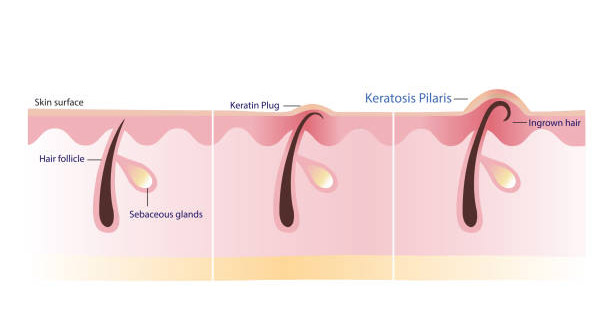
Keratin is a tough protein found in skin, hair, and nails. One of the most direct causes of keratosis pilaris is when the body makes too much keratin. This causes the top skin layer to thicken. Instead of shedding, the extra keratin gets stuck in hair follicles and forms plugs.
These plugs make the skin feel rough and cause small bumps. Often, the skin around these bumps also looks red, especially in people with lighter skin. While experts are not sure why keratin builds up this way, both genes and surroundings seem to play a part.
Dry Skin, Weather, and Skin Routine
Dry skin makes keratosis pilaris worse. Without enough moisture, skin flakes more and sheds unevenly. This leads to more blocked follicles. That’s why symptoms often get worse in winter or in places with dry air. Heating systems indoors can also dry out the skin.
People who don’t use moisturiser daily are more likely to have flare-ups. Harsh soaps, hot showers, and frequent washing also remove natural oils, drying out the skin more. To prevent this, it’s important to stay hydrated and protect the skin barrier.
Hormonal Triggers for Keratosis Pilaris
Hormone shifts can affect the causes of keratosis pilaris. Puberty, pregnancy, and menopause often bring changes in how much oil the skin makes, how skin cells behave, and how well the skin holds moisture.
Teens often notice keratosis pilaris at the same time they get acne or dandruff. This suggests a hormone link that speeds up keratin build-up. Although it affects both sexes, it shows up more often in women, likely due to hormonal cycles and different skin moisture levels.
Other Skin Conditions and Immune Links
Keratosis pilaris often shows up with other skin and immune problems like:
- Eczema (atopic dermatitis) – itchy, inflamed skin
- Ichthyosis vulgaris – dry, flaky skin from a gene issue
- Asthma or hay fever (allergic rhinitis)
These problems are part of what’s called the “atopic triad.” They share common roots in both the immune system and family history. If someone has one, they are more likely to get another. This means immune or genetic patterns may play a key part in the causes of keratosis pilaris.
Poor Exfoliation and Skincare Myths
Keratosis pilaris is not caused by being unclean. However, if skin isn’t exfoliated enough, keratin can build up faster. People with slow skin turnover or who don’t exfoliate often might notice more bumps.
But scrubbing too hard or using rough products can damage the skin. This can lead to more irritation and worse symptoms. Also, it’s important to clear up myths. The condition is not contagious. You can’t catch it by touching someone or from shared surfaces. Teaching others about these facts is key, especially for kids or teens feeling embarrassed about their skin.
Causes of Keratosis Pilaris and Metabolic Links
Some research hints at a link between obesity and the causes of keratosis pilaris. Problems like insulin resistance might change the skin barrier or boost keratin production. This could make symptoms worse in people who already have a genetic risk.
Also, extra weight means more friction and sweat in skin folds. These areas often get irritated and may show worse signs of keratosis pilaris. While this isn’t a direct cause, staying at a healthy weight and eating well may help improve skin health overall.
Friction from Clothes and Skin Irritation
Wearing tight or rough clothing may make keratosis pilaris worse. This is common on the thighs, buttocks, or upper arms where the skin rubs more. The constant rubbing can inflame the skin or weaken the skin barrier. This makes it easier for keratin to block the follicles.
Although friction doesn’t cause the condition, it can make it more noticeable. Loose, breathable clothing—especially made of cotton—can reduce flare-ups, especially during exercise or hot weather.
Final Thoughts on the Causes of Keratosis Pilaris
The causes of keratosis pilaris come from many sources: genes, environment, hormones, and habits. The condition is not harmful, but knowing its root causes can help people take action early.
When you understand what causes it—like extra keratin, dry skin, or family history—you can better manage it. This means using gentle skincare, staying moisturised, and knowing when to expect flare-ups.
Learning about the condition also helps stop the false ideas and stigma that surround it. With the right care and knowledge, people can manage their symptoms and feel more confident in their skin.