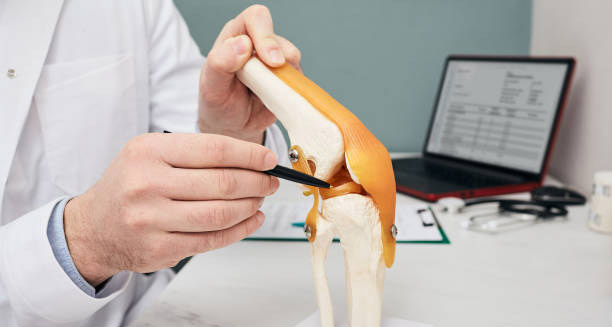
Knee cartilage damage is a common yet often underestimated condition that can severely impact mobility, comfort, and quality of life.
Cartilage is a strong and flexible tissue found throughout the body. In the knee, it cushions the bones, allows smooth movement, and absorbs shock. When knee cartilage damage happens—because of injury, wear and tear, or medical problems—it disturbs the smooth working of the joint. This leads to pain, stiffness, swelling, and a limited range of motion. If ignored, the damage can get worse over time and may cause long-term disability or even osteoarthritis.
Types of Knee Cartilage and How Damage Happens
The knee has three types of cartilage: articular cartilage, the meniscus, and the synovial lining. Articular cartilage covers the ends of the thigh bone, shinbone, and kneecap, helping them move smoothly. The meniscus includes two C-shaped pads that act like shock absorbers between the thigh bone and shinbone.
Damage can affect any of these. It may come from a sports injury, a fall, long-term joint stress, or conditions like osteoarthritis. No matter the cause, knee cartilage damage usually causes pain. If left untreated, it can lead to more serious problems later.
Who Gets Knee Cartilage Damage and Why
People of all ages can suffer from knee cartilage damage. Young athletes often get tears in the meniscus from sports that involve jumping, twisting, or heavy contact. Older adults may experience damage as the cartilage wears down slowly over time. Their joints go through years of use, and the cartilage loses its ability to repair itself.
Also, health problems like obesity or rheumatoid arthritis can speed up cartilage breakdown. Cartilage does not have a direct blood supply, so it does not heal well on its own. Even small injuries can last a long time or get worse without proper care.
Signs and Symptoms of Knee Cartilage Damage
The symptoms of knee cartilage damage depend on how bad and where the injury is. A small injury might just feel a bit uncomfortable. But more serious damage can cause constant pain, joint locking, or a grinding feeling. Swelling after physical activity is also common.
Simple tasks like walking, climbing stairs, or squatting can become painful. Many people blame these issues on aging or think their knees are just “weak.” But these signs often point to real joint damage. Acting early makes treatment more successful.
Diagnosing Knee Cartilage Damage
Better medical imaging, especially MRI scans, makes it easier to spot knee cartilage damage. Still, a doctor’s physical check and asking about symptoms are very important. Sometimes, doctors use arthroscopy. This is a small surgery that lets them look inside the joint and treat the damage at the same time.
Treatment depends on the injury. It may include exercise therapy, medicine for pain, injections, or surgery. Newer treatments like cell therapy or stem cell injections may help rebuild cartilage. These options give hope for better recovery in some patients.
Living with Knee Cartilage Damage
Knee cartilage damage can really change a person’s daily life. Pain and stiffness often stop people from moving around or staying active. This may lead to weight gain, poor heart health, and even feeling down or anxious. Some people also avoid movement out of fear, which makes the problem worse.
That’s why early treatment is so important. A good plan can ease pain, improve movement, and stop further damage. Even small steps—like learning the cause of the pain and staying active—can help a lot.
Preventing Knee Cartilage Damage
Keeping your knees healthy starts with prevention. Try to stay at a healthy weight. Use the right form when you work out or lift things. Wear shoes that support your feet and avoid rough or risky activities when you can.
Also, build up strength in your thigh and leg muscles, especially the quadriceps and hamstrings. Strong muscles help keep your knee stable. Do warm-ups and stretches before exercise to keep your joints flexible and lower the risk of injury.
Prognosis and Outlook for Knee Cartilage Damage
The outcome of knee cartilage damage depends on several things. These include your age, how bad the injury is, where it is, and how fast you get treatment. Smaller injuries often heal well with rest and therapy. Bigger ones may need surgery.
Even with surgery, recovery may take time. Some people may not get back full joint movement. But if the injury gets treated early, most people can reduce their pain and move better over time.
Raising Awareness About Knee Cartilage Damage
Many people ignore early signs of knee cartilage damage. They think the pain will go away on its own. Sadly, that’s not usually true. Cartilage damage can get worse without any warning. Once the joint changes a lot, it’s harder to fix.
Teaching people about joint health is very important. If more people knew what to look out for and went to the doctor early, many long-term joint problems could be avoided. Regular check-ups and knowing your risk can make a big difference.
How Knee Cartilage Damage Differs from Other Knee Injuries
It’s also important to tell knee cartilage damage apart from other issues like ligament tears, tendonitis, or bursitis. Some symptoms look the same, but the causes and treatments are different.
That’s why you should always talk to a doctor who knows about bones and joints. Getting the right diagnosis is the first step toward getting the right help.
The Wider Impact of Knee Cartilage Damage
Knee cartilage damage doesn’t only affect health. It also affects work and daily life. People with constant knee pain may miss work more often. They might need more doctor visits and treatments, which adds to healthcare costs.
As more people get older, the number of joint problems like these will grow. This puts more pressure on hospitals and clinics. Offering early check-ups and easy access to rehab services could help reduce some of that stress.
Managing Knee Cartilage Damage for Better Health
In summary, knee cartilage damage is a serious condition that can cause pain, limit movement, and lower your quality of life. It can affect anyone. Without quick action and the right care, it may lead to lasting joint problems.
But there is good news. With modern scans, better treatments, and smart prevention, people can manage this condition well. Public education, fast diagnosis, and team-based care are key to better results for anyone with knee cartilage damage.