Learning disabilities arise from a range of biological, genetic, and environmental factors that influence the development and functioning of the brain. These causes are complex and often interrelated, making it difficult to pinpoint a single source in many cases. However, research in neuroscience and child development has provided valuable insights into the most common contributors. Understanding the causes of learning disabilities is critical for early identification, effective intervention, and the reduction of stigma that often surrounds these conditions.
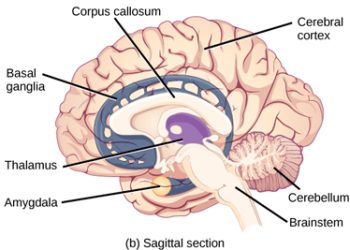
At the core of most learning disabilities is how the brain works. In many cases, the brain handles information differently, especially in parts that manage language, memory, attention, and planning. Brain scans show that children with specific learning disabilities—like dyslexia, dyscalculia, or dysgraphia—use their brains in different ways in those areas. These differences don’t come from poor parenting, laziness, or low intelligence. They simply reflect how each brain grows and works, changing how information is received, understood, and used.
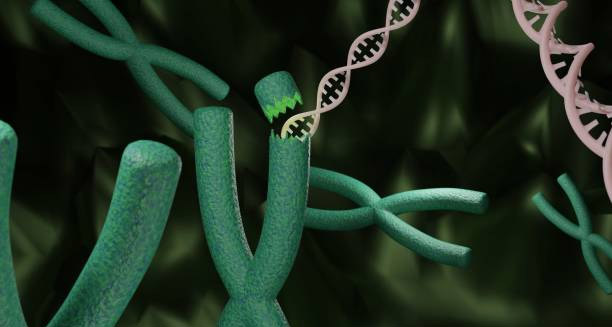
Genetics is one of the top causes of learning disabilities. These difficulties often run in families, which shows a strong link to inherited traits. If a parent or sibling has a learning disability, a child is more likely to have one too. Studies have found certain genes tied to reading and language skills. While no single gene causes a learning disability, a mix of genes can raise the chance. When this natural risk combines with other early-life challenges, a learning difficulty may appear.
Prenatal, Birth, and Early Childhood Risks
Problems before, during, or just after birth can also play a big part. A baby’s brain starts forming early in pregnancy. Any harm or stress during this time can affect how it develops. When a pregnant person uses alcohol, cigarettes, or illegal drugs, it raises the risk for brain-related issues, including learning disabilities. Trouble during delivery, like being born too early, having low birth weight, or losing oxygen, can also slow brain growth and cause problems later on.
Some children develop learning issues after birth due to illness or injury. Serious infections like meningitis or encephalitis can hurt the brain. A head injury from a fall, crash, or abuse can also damage areas that control memory, language, or movement. Children who have many ear infections early in life might struggle with hearing sounds correctly. This may make it harder to learn language and read.
Environmental and Emotional Factors
The child’s surroundings also matter. Growing up in a poor or chaotic home can block learning in many ways. Not getting the right food, facing too much stress, or not having chances to play and learn can affect brain growth. Being exposed to lead, often found in old paint or dirty water, has been linked to lower IQ and slow learning. A home without books, stories, or school-like play can slow down how fast a child learns new things.
Long-term stress, especially from abuse or being ignored, can also hurt a child’s ability to learn. Living in fear or without stable care changes how the brain grows. This stress can hurt memory, planning, and self-control—skills that are key for school. While emotional trauma alone may not cause a learning disability, it can make existing struggles worse and create a pattern of failure and frustration.
Co-occurring Conditions and Misunderstandings
Other brain-based conditions often show up alongside learning disabilities. ADHD, autism, and speech delays are not the same as learning disabilities, but they often overlap. A child with ADHD might find it hard to stay focused during reading or math, which can make it hard to spot a specific learning problem. A child with autism might struggle with spoken language, which can look like dyslexia or a hearing issue.
It’s also important to understand what does not cause learning disabilities. Cultural or language differences can cause school struggles, but these are not signs of a brain-based learning problem. Children learning a second language may take longer to read or write in school, but this is a normal part of adjusting—not a disorder. Testing must always be fair and respect the child’s background to avoid wrong labels and poor support.
Understanding the Causes of Learning Disabilities
Even with all this research, some learning disabilities have no clear cause. A child may not have any known risk factors or events in their past that explain the problem. That’s why finding and helping children early is more important than looking for someone to blame. No matter the cause, giving support as soon as possible helps kids do better in school and feel better about themselves.
In summary, the causes of learning disabilities include genetic traits, brain differences, problems before or after birth, early illness or injury, poor surroundings, and other mental health conditions. These causes often work together, not alone. Knowing about the causes of learning disabilities helps clear up confusion and allows families and schools to give smart, kind help. With the right tools and care, children with learning disabilities can grow, succeed, and shine.