
Mental Matters

Anal Fistula

Anal Fistula

Anal Fistula Overview

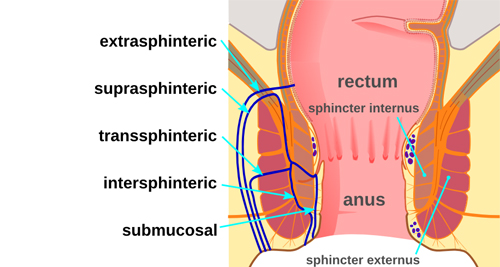
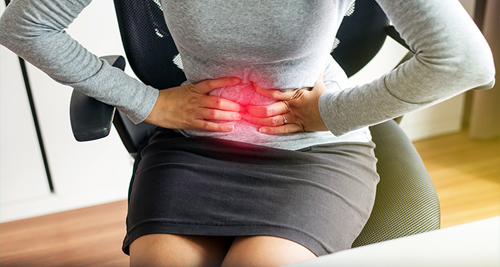
Anal Fistula Overview An anal fistula is an abnormal tunnel or connection between the anal canal (inside the rectum) and the skin around the anus. It often develops as a complication of a previous anal abscess, where infection from a blocked anal gland creates a pocket of pus that drains — but leaves behind a channel that doesn’t heal on its own. Painful Complications Anal fistulas are painful and persistent, often causing discomfort, swelling, and recurring drainage of pus or blood. The condition is more common in men, people with Crohn’s disease, and those with a history of anal abscesses. In South Africa and globally, fistulas are often misdiagnosed as haemorrhoids or skin infections. However, they require very different treatment, usually involving surgery to remove or open the tract so it can heal properly. Common symptoms include: While not life-threatening, untreated anal fistulas can cause serious discomfort and repeated infections. In the next section, we’ll explore what causes them and who is most at risk. 👉 [Next: Causes and Risk Factors of Anal Fistula] Anal Cancer Overview Treatment for Anal Fistula Complications of Anal Fistula Diagnosis of Anal Fistula

Anal Fistula Overview Read More »

Causes and Risk Factors of Anal Fistula

Causes and Risk Factors of Anal Fistula

Causes and Risk Factors of Anal Fistula Anal fistulas are usually the result of a previous anal abscess. The anal glands — tiny openings inside the rectum — can become blocked or infected, forming an abscess. When that abscess drains (naturally or surgically), a fistula can remain. Read more about causes and risk factors of anal fistula below. Most Common Cause: Other Causes and Risk Factors: Fistulas are not caused by poor hygiene or diet, though chronic constipation or diarrhoea may irritate the area and complicate healing. Some people may develop multiple or branching fistulas, particularly if the underlying condition (like Crohn’s disease) remains untreated. Let’s now explore how anal fistulas are diagnosed by healthcare providers. 👉 [Next: Diagnosis of Anal Fistula] Treatment for Anal Cancer Treatment for Anal Fistula Anal Fistula Overview Complications of Anal Fistula

Causes and Risk Factors of Anal Fistula Read More »

Diagnosis of Anal Fistula

Diagnosis of Anal Fistula
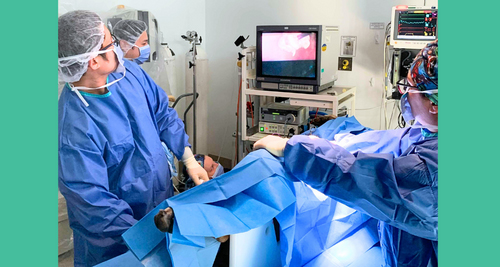
Diagnosis of Anal Fistula Diagnosis of anal fistula typically involves a physical examination, medical history, and — in some cases — imaging tests to assess the extent of the fistula. Early and accurate diagnosis is essential to plan effective treatment. Step 1: Medical History Your doctor may ask: Step 2: Physical Examination A visual inspection of the anal area is often enough to spot: During the exam, the doctor may gently press the area to check if pus or fluid comes out. Step 3: Digital Rectal Exam The doctor inserts a gloved, lubricated finger into the rectum to feel for abnormalities: This helps assess the depth and direction of the fistula. Step 4: Imaging (for complex or deep fistulas) In certain cases, doctors need further imaging to map the full extent of the fistula: In South Africa, both public and private healthcare providers offer diagnostic imaging, but access to MRI scans can be limited outside major centres. Next, let’s look at the treatment options for anal fistulas. 👉 [Next: Treatment for Anal Fistula] Treatment for Anal Cancer Anal Fistula Overview Complications of Anal Fistula Causes and Risk Factors of Anal Fistula
Diagnosis of Anal Fistula Read More »

Treatment for Anal Fistula

Treatment for Anal Fistula

Treatment for Anal Fistula Anal fistulas do not heal on their own and almost always require surgical treatment for anal fistula. The goal of treatment is to remove the infected tract, promote healing, and preserve bowel control (continence). 1. Fistulotomy (Most common procedure) 2. Seton Placement 3. Advancement Flap Surgery 4. LIFT Procedure (Ligation of Intersphincteric Fistula Tract) 5. Medical Treatment (for underlying causes) Postoperative Care In South Africa, fistula surgery is available in most regional hospitals and private surgical centres. Doctors may consult specialist colorectal surgeons for complex cases. Let’s now explore complications and long-term outlook. 👉 [Next: Complications of Anal Fistula] Treatment for Anal Cancer Anal Fistula Overview Causes and Risk Factors of Anal Fistula Diagnosis of Anal Fistula

Treatment for Anal Fistula Read More »

Complications of Anal Fistula

Complications of Anal Fistula

Complications of Anal Fistula If left untreated, or if poorly managed, anal fistulas can lead to ongoing discomfort, infection, and even long-term disability. Understanding complications helps highlight the importance of proper care and follow-up. Read more about the complications of anal fistula below. 1. Recurrent Abscesses 2. Fistula Recurrence 3. Incontinence (Rare but Serious) 4. Chronic Pain and Scarring 5. Psychological and Social Effects Prevention and Aftercare With early diagnosis and proper surgery, most anal fistulas can be fully cured. However, long-term follow-up is important to detect recurrence early. 👉 End of Series | Back to Overview Complications of Anal Cancer Treatment for Anal Fistula Anal Fistula Overview Causes and Risk Factors of Anal Fistula Diagnosis of Anal Fistula

Complications of Anal Fistula Read More »

Scroll to Top