Causes of Lichen Sclerosus are not yet fully understood, but researchers believe the condition results from a combination of autoimmune, hormonal, genetic, and environmental factors.
Although lichen sclerosus is not very common, it can affect people of all ages. It appears more often in postmenopausal women and, less frequently, in children and men. By learning what causes Lichen Sclerosus, we can better spot it early and treat it faster. This helps lower symptoms and reduce future problems.
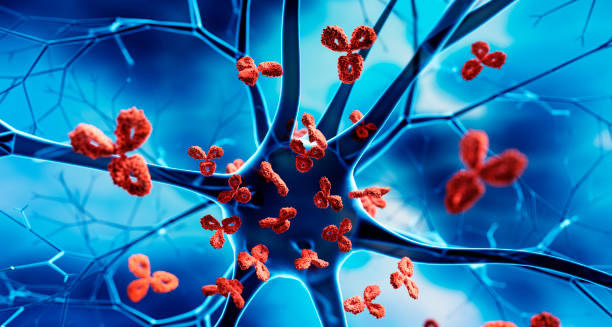
A leading cause may be an autoimmune reaction. In these cases, the immune system wrongly attacks healthy skin and tissue. With lichen sclerosus, this reaction affects the skin and moist inner areas. This leads to inflammation, thinning skin, and scarring. Autoimmune diseases often run in families. People with lichen sclerosus may also have other autoimmune conditions, like thyroid problems, vitiligo, or type 1 diabetes. This strengthens the autoimmune theory.
Hormonal and Genetic Causes of Lichen Sclerosus
Hormones might also play a role. The condition shows up often in postmenopausal women and young children—both groups with lower estrogen levels. This link suggests that hormonal changes may affect the disease. However, hormone replacement therapy (HRT) does not cure or prevent it. So, hormones may contribute to lichen sclerosus but don’t fully cause it.
Genetics could be another factor. Studies show that lichen sclerosus sometimes runs in families. Some people may have a higher risk due to certain genes. But scientists haven’t found a single gene responsible. Most likely, a mix of genes and environmental triggers lead to the condition in those who are at risk.
Environmental Triggers and Skin Trauma
Everyday habits and surroundings may also influence the causes of Lichen Sclerosus. For example, rubbing or injury from tight clothing might trigger symptoms. This idea matches a known skin reaction called the Koebner phenomenon, where damage leads to new skin lesions. Poor hygiene, exposure to harsh soaps or chemicals, and synthetic fabrics may also play a part.
Some scientists have looked at infections as possible triggers. While no single virus or bacteria has been confirmed, HPV and other infections have been studied. These infections may not directly cause lichen sclerosus, but they could make it worse.
There’s also a possible link to urinary incontinence. When skin stays wet with urine or stool, especially in children or older adults, it can become weak. This may make the skin more likely to react badly, though this is likely a worsening factor, not the root cause.
Other Contributing Factors
Another theory focuses on the skin’s natural balance of bacteria—its microbiome. Like the gut, the skin needs good bacteria to stay healthy. If this balance breaks—due to antibiotics, harsh soap, or over-washing—the skin can become weak and more prone to problems. This might make inflammatory conditions like lichen sclerosus more likely.
Stress also plays a role. While not a direct cause, stress can affect the immune system. Many people notice flare-ups during stressful times. This doesn’t prove stress causes lichen sclerosus, but the connection is common in autoimmune skin conditions.
Some medical treatments might act as triggers too. Surgery or radiation in the genital area can change tissue and immune responses. This could make the skin more likely to develop lichen sclerosus after healing. Even so, these cases are rare.
Importantly, lichen sclerosus is not contagious. You can’t get it through touch, sex, or sharing personal items. This fact is key to clearing up common myths and lowering shame tied to skin conditions in private areas.
Summary of the Causes of Lichen Sclerosus
In short, causes of Lichen Sclerosus are likely complex and involve several factors. The autoimmune theory is the strongest so far. But hormones, genetics, irritation, microbiome imbalance, and even stress may all add to the risk. Research is still ongoing. As scientists learn more, better tests and treatments will likely become available. This progress offers hope for people living with this lifelong skin condition.