Mental Matters

Mental Matters

  • Health & Wellness
  • Mental Health
  • Live Better
  • Directory
  • Articles & Guides
  • Advertise
  • Blog
  • Fields
  • Health & Wellness
  • Mental Health
  • Live Better
  • Directory
  • Articles & Guides
  • Advertise
  • Blog
  • Fields
  • Health & Wellness
  • Mental Health
  • Live Better
  • Directory
  • Articles & Guides
  • Advertise
  • Blog
  • Fields
  • Health & Wellness
  • Mental Health
  • Live Better
  • Directory
  • Articles & Guides
  • Advertise
  • Blog
  • Fields

Febrile Seizures

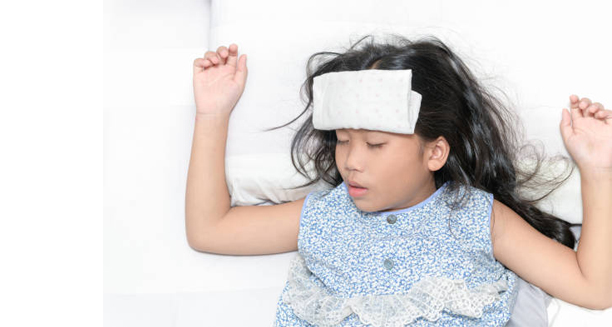
Child lying in bed with a fever compress on forehead during a febrile seizure

A young girl experiences a febrile seizure while resting, with a cold compress placed on her forehead to reduce fever

Febrile Seizures

These Febrile seizures are convulsions that occur in young children due to a sudden rise in body temperature. Often, during a fever caused by infection. These seizures typically affect children between six months and five years of age and are not related to epilepsy or long-term brain damage. Although frightening for parents, they are usually harmless and do not cause lasting harm.

During a these seizure, the child may lose consciousness, shake or twitch their limbs, roll their eyes, or become stiff. These episodes generally last less than five minutes, though they can feel much longer to those watching. The child may be sleepy or confused after the seizure but usually recovers fully within a short time.

These seizures are relatively common, occurring in 2% to 5% of children worldwide. They are usually linked to viral or bacterial infections that cause a rapid spike in temperature, such as flu, ear infections, or tonsillitis. It is not always the height of the fever that triggers a seizure—but rather how quickly the temperature rises.

Febrile Seizures

There are two types: simple febrile seizures (brief and generalised) and complex febrile seizures (longer, recurring, or affecting one side of the body). Simple seizures are more common and less concerning from a neurological perspective.

Understanding these seizures helps parents respond calmly, seek appropriate care, and avoid unnecessary panic during a very distressing moment.

[Next: Causes of Febrile Seizures →]
Symptoms of Epilepsy
Diagnosis of Epilepsy
Epilepsy
Causes of Epilepsy
Treatment of Epilepsy

Related Posts

Medical illustration of cranial nerve pathways involved in Bell’s palsy, showing the facial nerve and its branches across the skull.
Bell’s Palsy

Diagnosis of Bell’s Palsy

June 9, 2025

Diagnosis of Bell’s Palsy Diagnosis of Bell’s palsy is primarily a clinical...

Illustration of bowel polyps inside the large intestine during an endoscopic procedure
Bowel Polyps

Bowel Polyps

June 10, 2025

Bowel Polyps – Overview Bowel polyps are abnormal growths that develop in...

Mental Matters

Facebook Instagram

Your Weekly Dose of Mental Health Support
– Straight to Your Inbox

  • Your journey to better mental health starts here—with expert insights and helpful resources delivered weekly.


© 2025 Mental Matters. All rights reserved. The content on this website is intended for informational purposes only and does not constitute medical advice, diagnosis, or treatment. Please consult a qualified health professional for any medical concerns.

Quick Links

  • Directory

  • Advertise

  • Conditions

  • Real Talk

  • Eating Disorders

  • Depressed

  • Autism

  • Community

  • Resources

About

  • Get In Touch

  • Home

  • Privacy Policy

  • Suicide Prevention Support

  • Terms & Conditions

© 2025 Mental Matters. All rights reserved.

No Result
View All Result
  • Health & Wellness
  • Mental Health
  • Live Better
  • Directory
  • Articles & Guides
  • Advertise
  • Blog
  • Fields

© MENTAL MATTERS 2024