Mental Matters

Mental Matters

  • Health & Wellness
  • Mental Health
  • Live Better
  • Directory
  • Articles & Guides
  • Advertise
  • Blog
  • Fields
  • Health & Wellness
  • Mental Health
  • Live Better
  • Directory
  • Articles & Guides
  • Advertise
  • Blog
  • Fields
  • Health & Wellness
  • Mental Health
  • Live Better
  • Directory
  • Articles & Guides
  • Advertise
  • Blog
  • Fields
  • Health & Wellness
  • Mental Health
  • Live Better
  • Directory
  • Articles & Guides
  • Advertise
  • Blog
  • Fields

Altitude Sickness Overview

Altitude Sickness

Altitude Sickness Overview

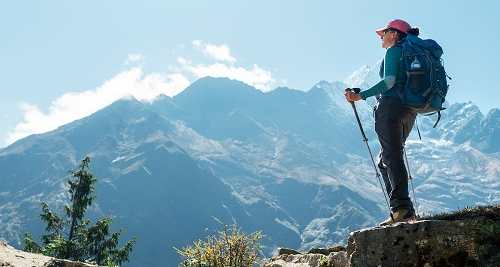
Altitude sickness, also known as acute mountain sickness (AMS), is a condition that occurs when someone ascends to high altitudes too quickly, without giving the body enough time to adjust to the reduced oxygen levels. It commonly affects travellers, hikers, and climbers at elevations above 2,500 metres (8,200 feet), though some people may experience symptoms even lower.

The air becomes thinner the higher you go, meaning less oxygen is available with each breath. If the body doesn’t adapt gradually, symptoms like headaches, nausea, fatigue, and dizziness can develop. These symptoms range from mild and uncomfortable to severe and life-threatening.

There are three main types of altitude sickness:

  1. Acute Mountain Sickness (AMS) – The most common and mildest form.
  2. High-Altitude Cerebral Oedema (HACE) – Swelling of the brain; life-threatening.
  3. High-Altitude Pulmonary Oedema (HAPE) – Fluid in the lungs; also life-threatening.

In South Africa, this is rarely encountered at local elevations, but it becomes a real risk when travelling to mountainous regions such as Kilimanjaro, the Drakensberg, the Himalayas, or the Andes. Even healthy and fit individuals can develop symptoms if they ascend too quickly.

While mild altitude sickness usually resolves with rest or descent, severe forms require urgent medical attention. Preventing this sickness is often as simple as ascending slowly, staying hydrated, and allowing time for acclimatisation.

In the next section, we’ll explore what causes this sickness and why some people are more susceptible than others.

👉 [Next: Causes of Altitude Sickness]


Symptoms of Chronic Pancreatitis

Complications of Altitude Sickness

Treatment for Altitude Sickness

Diagnosis of Altitude Sickness

Related Posts

Complications of Laryngeal (larynx) cancer
Health Conditions

Complications of Laryngeal (larynx) cancer

August 6, 2025

Laryngeal (larynx) cancer can give rise to a range of complications, both...

Young man with visual impairment smiling while standing near the ocean, holding a white cane
Deafblindness

Causes of Deafblindness

June 17, 2025

Causes of Deafblindness Causes of deafblindness can vary significantly depending on whether...

Mental Matters

Facebook Instagram

Your Weekly Dose of Mental Health Support
– Straight to Your Inbox

  • Your journey to better mental health starts here—with expert insights and helpful resources delivered weekly.


© 2025 Mental Matters. All rights reserved. The content on this website is intended for informational purposes only and does not constitute medical advice, diagnosis, or treatment. Please consult a qualified health professional for any medical concerns.

Quick Links

  • Directory

  • Advertise

  • Conditions

  • Real Talk

  • Eating Disorders

  • Depressed

  • Autism

  • Community

  • Resources

About

  • Get In Touch

  • Home

  • Privacy Policy

  • Suicide Prevention Support

  • Terms & Conditions

© 2025 Mental Matters. All rights reserved.

No Result
View All Result
  • Health & Wellness
  • Mental Health
  • Live Better
  • Directory
  • Articles & Guides
  • Advertise
  • Blog
  • Fields

© MENTAL MATTERS 2024