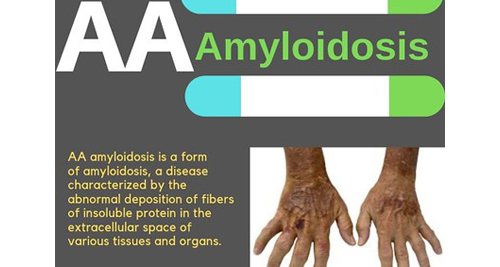

Amyloidosis Overview
Amyloidosis is a rare but serious medical condition in which abnormal protein deposits, called amyloid, accumulate in organs and tissues throughout the body. These protein clumps interfere with normal organ function and can eventually lead to organ failure if left untreated.
Amyloid proteins are usually broken down and eliminated by the body. But in amyloidosis, they misfold and accumulate, forming rigid, insoluble fibres in places they shouldn’t be — such as the heart, kidneys, liver, spleen, nerves, and digestive tract. The type of organ involved often determines the symptoms a patient experiences.
Common Features
Amyloidosis is not a single disease but rather a group of conditions with a common feature: amyloid buildup. The major types include:
- AL (primary) – linked to bone marrow disorders
- AA (secondary) – related to chronic infections or inflammatory diseases
- Hereditary – caused by genetic mutations
- Dialysis-related – occurs in people on long-term dialysis
Misdiagnosed Cases
Although the condition is rare, awareness is growing, especially in specialist centres in South Africa, where doctors sometimes misdiagnose cases due to vague symptoms
Early diagnosis is crucial. With the right care, doctors can manage symptoms, and they may slow or even halt organ damage in some cases.
4o mini. In the next section, we’ll explore what causes these abnormal protein deposits and how each type of this condition differs.