Mental Matters

Author name: Staff Writer

Understanding the Parentified Child

The “parentified child” is one of those concepts that really hits home, especially when you start reflecting on your own upbringing or the dynamics in families around you. What Is a Parentified Child? So, what does it mean to be a parentified child? It’s when kids take on adult responsibilities, often because their parents can’t or won’t. This might happen for all sorts of reasons—maybe a parent is struggling with their mental health, dealing with addiction, or just overwhelmed with life. As a result, children feel the need to step up, caring for siblings or even their parents. How Being a Parentified Child Affects You At first, it might seem impressive for a child to handle such responsibilities, but being a parentified child can come with a lot of emotional baggage. I’ve seen this in friends and felt it in my own life—kids often end up growing up too fast. Here are some common feelings and challenges that parentified children face: How to Support Parentified Children If you think someone you know might be feeling this way—or if you’re reflecting on your own experiences—here are some ways to offer support: I’ve enjoyed learning about this concept. It encourages us to reflect on our experiences and think about how we can create healthier family dynamics. Everyone deserves a childhood filled with laughter and joy, not heavy burdens. Mental Matters is a resource and information platform. We do not provide medical advice, diagnosis, or treatment. While the information on our website is for general awareness and support, it should not replace professional advice. For any mental health concerns, please consult a qualified healthcare or mental health professional. Cataracts in Children Anxiety Disorders in Children Clinical Psychologist Johannesburg Clinical Psychologist Cape Town My Therapy Psychotherapists Pretoria

Understanding the Parentified Child Read More »

I’m Trying to Work on My Ghosting Habit

I once asked a friend why he ghosted me, and his answer was simply, “I don’t know.” That was it. No elaborate reason—just an honest, “I don’t know.” It made me stop and reflect because I’ve ghosted more people than I’d like to admit. And most of the time, I didn’t know why either. Why Do We Ghost? For me, ghosting has become almost second nature. I’ve ghosted friends, family, and even my partner. And each time, I justified it with excuses like, “I’m too busy,” “I’ll reply later,” or “I’m just not in the mood.” But if I’m honest, it was more about avoiding discomfort than anything else. After asking others and reflecting on my behaviour, I realised that many of us ghost because it’s easier than facing our feelings. Maybe we’re overwhelmed, anxious, or just don’t know how to handle a situation. It’s a quick escape from awkwardness, but it’s far from harmless. It’s easy to think ghosting has no real consequences—out of sight, out of mind, right? But when I started listening to those on the receiving end, I realised how hurtful it can be. One person shared, “It’s depressing, because you don’t know what’s going on or why. You’re left wondering if you did something wrong.” Another said, “I find it awkward. It takes me a few days to adjust, especially if it’s someone I thought I was close to.” Then there’s the middle ground. As someone put it, “It really depends—if it’s someone I’m not close to, I don’t take it seriously. But when it’s someone I care about, it feels different.” I realised that my ghosting wasn’t just about needing space—it left people confused, hurt, and questioning themselves. And that’s not the kind of impact I want to have. How I’m Working on My Ghosting Habit Ghosting has often been a way for me to avoid vulnerability. It’s easier to disappear than to say, “I’m struggling right now,” or “I’m not sure how I feel.” Here’s what I’m trying: It’s not just about avoiding awkward conversations; it’s about being willing to show up for the people who matter. It’s about being brave enough to say, “I’m struggling,” or “I need a minute,” instead of just disappearing. Mental Matters is a resource and information platform. We do not provide medical advice, diagnosis, or treatment. While the information on our website is for general awareness and support, it should not replace professional advice. For any mental health concerns, please consult a qualified healthcare or mental health professional. Diagnosing Autism: How and When It’s Done Cardiff Hypnotherapy Solutions Cardiff 5 Questions I Asked Myself When I Was Unsure About My Relationship Some Better Answers to Try Instead of “I’m Fine” Why Do We Say “I’m Fine” When We’re Actually Not?

I’m Trying to Work on My Ghosting Habit Read More »

Is My Battle with the Small Stuff Really a Battle with Myself?

One day, when I was deep in the pit of my depression, I found myself glued to the window, watching a parade of birds flock to my dog’s food. It seemed like they were on a mission to devour every pellet. My frustration grew with each visit. I was already on edge. And their persistence felt like the final straw. At first, I pounded on the window, hoping to scare them away. They’d scatter for a bit but always came back. I tried using a broom, swinging it around like a maniac. They flew off again, only to return shortly after. By the third attempt, I realised how absurd I must have looked—jumping up and down and waving my arms like a lunatic trying to shoo away birds. Feeling defeated by something so trivial made me pause. It struck me how my reaction mirrored my broader mindset. The birds seemed to give me this “this is our spot” look, as if to say, “We’re here to stay, so deal with it.” This scenario became a metaphor for how I was viewing my life. I was so focused on the annoyance of the birds, it made me miss out on the simple, sometimes amusing aspects of the situation. It was like I was stuck with a glass half empty perspective, concentrating on what was wrong rather than what was just part of the routine. Eventually, I realised that the birds weren’t the problem. It was my approach to handling life’s little irritations. They kept coming back, much like my struggles seemed to, no matter how much I tried to avoid them. The real lesson wasn’t about defeating the birds or my problems. It was about changing my perspective. Watching those birds helped me see that sometimes it’s not about solving every annoyance but learning to accept and even appreciate them. The glass half full mindset means finding a bit of peace and maybe even a touch of humour in the everyday challenges. It’s about finding a balance between acknowledging the issues and appreciating the small, often overlooked moments of life. Mental Matters is a resource and information platform. We do not provide medical advice, diagnosis, or treatment. While the information on our website is for general awareness and support, it should not replace professional advice. For any mental health concerns, please consult a qualified healthcare or mental health professional. Complications and Recovery from Conjunctivitis Symptoms of Catarrh Dr Nigel Bird GP Brighton Perspectives Psychology Group – Psychologists – Claremont Early Bird Therapy Centre Johannesburg

Is My Battle with the Small Stuff Really a Battle with Myself? Read More »

Race or Tribe? The Roots of Identity in South Africa and Africa

A fascinating question came up within our community: Why is so much of our identity in South Africa centred around skin colour? In other parts of Africa, tribal identity seems to be more important. Some argue that systemic forces have pushed this focus on skin colour. But what’s really at the heart of this identity struggle? And why does it matter so much? Understanding Identity in South Africa In South Africa, race has always been a big part of how people identify themselves and others. This is largely because of the country’s history with apartheid. During that time, society was structured in such a way that race wasn’t just a label. In fact, it determined where you could live, what jobs you could do, and who you could marry. While apartheid officially ended in the 1990s, the remnants of those racial categories still affect how people see each other. For many, skin colour is still a primary lens through which identity is defined. This can make it tough to step away from these deep-rooted divides, even in a more open, modern South Africa. Some say the lasting effects of apartheid make it hard for people to shake this way of thinking, but it’s also become a kind of default setting when it comes to identity. Tribal Identity in Other African Countries Meanwhile, in other parts of Africa, the conversation is often centred around tribal identity rather than race. In countries like Kenya, Nigeria, and Ghana, for example, people might identify first and foremost by their tribe—be it Kikuyu, Yoruba, or Akan—rather than by the colour of their skin. In these areas, tribal heritage holds more weight in defining someone’s background and sense of belonging. Tribal identity comes with its own set of challenges. The attachment to one’s tribe can bring people together through shared language, culture, and traditions, but it can also create divisions and conflicts, especially when politics, land, or resources are involved. Just like in South Africa, identity in these regions is deeply complex, but the focus tends to lean more towards heritage and ancestry than outward appearance. What’s Driving These Differences? So, what’s at the core of these differing identity markers? It likely comes down to a mix of history, politics, and the social systems put in place over time. Why Does This Matter? At the heart of this question is a deeper issue: how do we define ourselves? Identity, whether shaped by skin colour or tribe, is central to how we understand ourselves and interact with others. But the danger comes when these markers of identity become barriers, either by dividing us or by boxing us into categories that feel limiting. It’s worth reflecting on how these systems and histories affect our lives today. Are we holding onto labels that don’t serve us? How do these divisions impact how we view one another? This isn’t an easy topic, but it’s an important one. By understanding the roots of our identity markers—whether they’re based on race, tribe, or something else entirely—we can begin to have more meaningful conversations about who we are and how we can move beyond these divisions. What do you think? Do you find that identity in South Africa is still too closely tied to skin colour, or is this changing? How do tribal identities shape those in other African nations? Mental Matters is a resource and information platform. We do not provide medical advice, diagnosis, or treatment. While the information on our website is for general awareness and support, it should not replace professional advice. For any mental health concerns, please consult a qualified healthcare or mental health professional. Aspire Fitness Physical therapist Cardiff Heritage physiotherapy ELY Spec-Savers Heritage Mall Audiology Port Alfred Riverside Physiotherapy Kuils River Rebecca Greaves Sports Massage Therapist Manchester

Race or Tribe? The Roots of Identity in South Africa and Africa Read More »

I Lost Myself Trying to Make Others Happy

For a long time, my life wasn’t really my own. It revolved around others—what they might think, how they might feel, and what would make them happy. I convinced myself that if I could just become who they wanted me to be, I’d finally earn their love and approval. But inside, I felt trapped. The person I was deep down didn’t match the image I was desperately trying to project. Being vulnerable or just being myself felt like it wasn’t enough. When I look back, I see how my childhood played a big role in this. I grew up in an environment where speaking up wasn’t encouraged. Showing emotions like sadness, confusion, or anger just wasn’t the norm. So, I ended up hiding behind a smile, laughing things off, and pretending to be “strong” or unbothered. As I grew older, the gap between who I was and who I was trying to be became more obvious. My constant focus on making others happy and seeking their approval meant I was losing touch with my true self. I felt like I was drifting further from who I was meant to be. There came a moment when I asked myself, “What am I doing?” I realised I had a choice: put myself first or continue spiralling further away from my true self. I started reflecting on the people and situations around me and wondered if I should have stood up for the real me more often. It took me years to see the cycle I was stuck in. I wanted to embrace the real me—the goofy, sarcastic, imperfect, but perfectly acceptable version of myself. The one I could genuinely be happy with. Lesson learned: I owe it to myself to take better care of myself first before trying to take care of others. It’s not just about feeling okay; it’s about being true to who I am and nurturing my well-being in a way that feels right for me. I’m learning to put my needs first, be honest about my feelings, and accept my imperfections. In doing so, I’ve finally found a sense of peace and acceptance that had been missing for so long. Mental Matters is a resource and information platform. We do not provide medical advice, diagnosis, or treatment. While the information on our website is for general awareness and support, it should not replace professional advice. For any mental health concerns, please consult a qualified healthcare or mental health professional. A Happy Place Child Teenager and Family counselor Die Wilgers Lauren Brown Podiatrist Midrand A Happy Place Counsellor Pretoria The Happy Play Den Durbanville Are We Losing Something with Online Therapy?

I Lost Myself Trying to Make Others Happy Read More »

Making Family Rules Work for Everyone

As parents, we set rules and structure to keep our homes running smoothly. But it’s not just about the rules themselves—it’s how we communicate them that truly makes a difference. Take a simple example from my life. I could ask my husband, “Can you make me some tea?” and he’d do it, but it often feels a bit like an order. Instead, I try saying, “When you make your next cup of coffee, would you mind making me a cup of tea, please?” The tone shifts, and it feels like a more thoughtful request. Sure, I could make my own tea, but I love the way he makes it, and he enjoys doing it for me. It’s not just about the tea; it’s about the connection we build through these little acts. This got me thinking—what if we brought this approach into parenting? Changing How We Share Our Stories When we share stories about our past with our kids, phrases like, “When I was your age,” or “In my day,” can sometimes shut down the conversation. It can come across as saying, “This is how it was, so this is how it should be.” Instead, I’ve learned to include my kids in the conversation. After sharing a story from my childhood, I ask, “How do you think we could make that our own? Is it something we want to keep in our family?” This turns the story into a shared experience, something we can build together. Balancing Structure and Flexibility Kids need structure to feel secure and to know what to expect. But structure doesn’t have to be rigid. It should reflect our family values while allowing room for discussion and flexibility. Instead of just imposing rules, I now involve my kids in the conversation. We talk about our family values, why they matter, and what boundaries we need. This helps them feel involved and respected. They understand that our rules aren’t random—they’re based on our shared goals. When kids push back, it’s often because they feel unheard, not because they dislike the rules. By asking for their input on family traditions and how we might adapt them, I find that we’re not just reminiscing about the past—we’re building something new together. Evolving Family Traditions Family traditions and values should grow with us. It’s not about sticking to the old ways exactly but about blending the meaningful parts of the past with what works for us today. This approach helps us create a family culture where we feel both connected to our history and relevant to our current lives. Mental Matters is a resource and information platform. We do not provide medical advice, diagnosis, or treatment. While the information on our website is for general awareness and support, it should not replace professional advice. For any mental health concerns, please consult a qualified healthcare or mental health professional. Coping Tools That Help with Panic Attacks Durban Marriage & Couples Counselling Counselor Musgrave Kids at Heart Inc. Paediatric Cardiologist Bloemfontein Working Conversations Group – Psychological Therapies Liverpool Diagnosis and Tests for Bladder Pain Syndrome

Making Family Rules Work for Everyone Read More »

Takealot’s Heritage Day Design Challenge is Back!

Takealot is bringing back its Heritage Day Design Challenge, and it’s time for you to get creative! This year, they’re inviting you to redesign the Takealot box using the colours of the South African flag. It’s not just about creating a standout design—it’s about celebrating and sharing our rich, diverse culture with everyone. 1. Why Get Involved? This is your chance to put a unique spin on something everyone sees. The winning design will be featured on 1 million Takealot boxes, so your artwork could appear in homes all across South Africa. Plus, the winner will receive a R100,000 Takealot voucher to spend however they like. And there’s more—R10,000 of that will go to a charity or heritage site of your choice. It’s a win-win! 2. How to Enter Just sms “HI” via WhatsApp to 065 149 9234, and you’ll get all the details you need. You can enter in any language, so everyone has a chance. Just make sure to submit your designs before September 24. Meet the Judges This year’s panel includes some incredible people: So, if you’ve got a flair for design and a passion for celebrating our heritage, this is your moment to shine. Join the challenge and make a mark on Takealot’s next big shipment! Mental Matters is a resource and information platform. We do not provide medical advice, diagnosis, or treatment. While the information on our website is for general awareness and support, it should not replace professional advice. For any mental health concerns, please consult a qualified healthcare or mental health professional. Spec-Savers Heritage Mall Port Alfred Spec-Savers Heritage Mall Audiology Port Alfred Orange Flags in a Relationship? Heritage physiotherapy ELY Thinking Outside Of The Box By Becky Stone Canterbury

Takealot’s Heritage Day Design Challenge is Back! Read More »

Why Are We So Defensive About What Men Want From Women?

In our support group, someone asked, “Besides sex, what do men really want from women?” The reactions stirred things up—some guys looked caught off guard, while others seemed ready to make a quick exit. It was interesting to see the range of responses. A few guys tried to deflect by asking, “Well, what do women want?”—a classic move to avoid the real issue. Others just went silent, clearly uncomfortable. It felt like this question really hit a nerve with some guys. So, why does a question like this cause such discomfort? Why do we react defensively, almost as if it’s an insult rather than an opportunity for a real conversation? The question wasn’t about making anyone uncomfortable—it was about getting us to think and talk. This kind of discomfort shows us something important about how we communicate and understand each other. Questions like these push us to look beyond the surface and think about what really matters in our relationships. It’s about feeling valued, understood, and supported. It’s easy to get defensive when faced with tough questions, but maybe that’s exactly why we should engage with them. These conversations aren’t about finding fault—they’re about figuring out what we need and want from each other. So next time you’re faced with a tough question, whether it’s about relationships or something else, try to approach it with curiosity instead of defensiveness. These conversations might be uncomfortable, but they’re a chance to grow and connect with one another. After all, isn’t that what we’re all really after? Mental Matters is a resource and information platform. We do not provide medical advice, diagnosis, or treatment. While the information on our website is for general awareness and support, it should not replace professional advice. For any mental health concerns, please consult a qualified healthcare or mental health professional. Caroline Webb Sex Intimacy and Relationship Coach & Therapist Personal Transformation & Development Therapy Randburg Questions Every Woman Should Ask Her Gynaecologist Caroline Webb Sex Therapist & Intimacy Coach Randburg Strong Relationships Start with Questions The Questions I Ask Myself to Stay Connected

Why Are We So Defensive About What Men Want From Women? Read More »

Fear Is a Lot Like Cutting into an Avocado

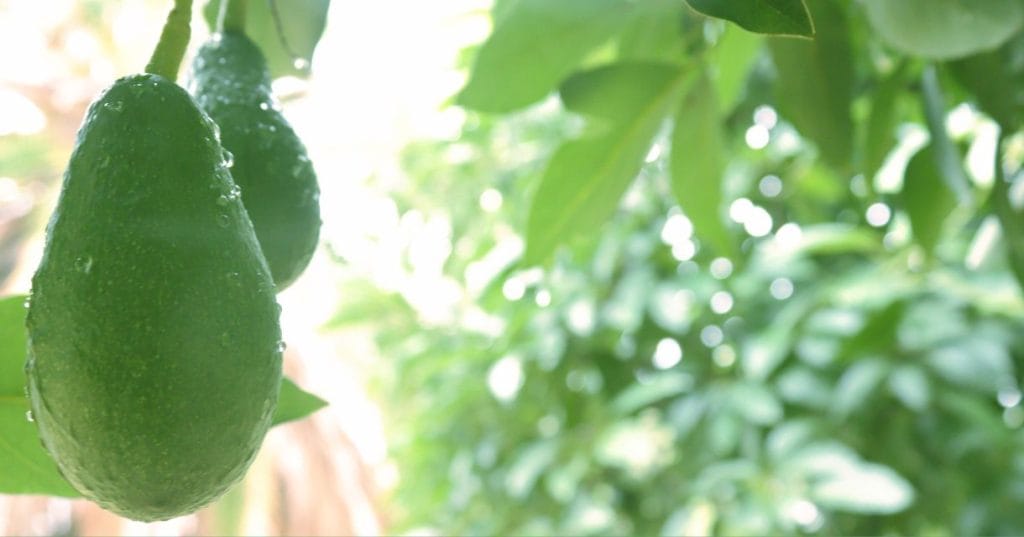
They say, “The only way to get over a fear is to face it head-on”—but let’s be real, who actually wants to do that? For a long time, my approach to fear was, well… not exactly courageous. I avoided it, ignored it, and pretty much hoped that if I kept a safe distance, my anxieties would eventually get bored and leave me alone. They didn’t. Instead, they stuck around, patiently waiting for the perfect moment to pop back up—usually when I least expected it. I thought I could outsmart them. I mean, I’ve made some progress—which I have to give myself credit for. Take dogs, for example. There was a time when I was absolutely terrified of them. Not the big, intimidating ones, though—oh no, it was the little ones that made me nervous. The ones that act like your ankles are their personal chew toys. Now? I’ve got two dogs running around my house, bringing equal parts chaos and joy. It’s funny how the things we fear can become the things we love, once we stop running away from them. Then there’s parenting—don’t even get me started. The thought of juggling school projects, bedtime routines, and the whole ‘keeping a tiny human alive and thriving’ thing? I was scared shitless. Somehow, though, I figured it out. And I’m still figuring it out as we go along—it gets me emotional just thinking about how quickly time has flown by. I try to tackle parenting with love, patience, time, and a whole lot of humour. Because honestly, if you’re not laughing at the chaos, you’re probably crying, and sometimes both happen at the same time. Lately, I’ve started thinking about fear a little differently. It’s kind of like… an avocado. Stay with me here. You know that moment when you pick up an avocado at the store, and you have no idea what you’re getting into? It could be rock-hard and useless, or maybe it’s perfectly ripe and ready to go. Sometimes it looks great on the outside, but when you finally slice it open, it’s a mushy mess. Fear kind of feels like that to me. It’s wrapped up in layers, hiding what’s really going on inside. Then, you cut into it. The tough outer skin is tricky, but not impossible to get through. And once you do, you hit the creamy, soft inside—what you’ve been looking for. But then there’s the pit, this giant, stubborn thing in the middle. It’s solid and annoying, and no matter how many times you’ve dealt with it before, it still takes a little effort to work around. Fear is just like that avocado pit. At first, it seems like this unbreakable thing sitting in the way. But the more you deal with it, the easier it gets. Here’s the thing about both avocados and fear: they’re never quite as bad as they seem once you start dealing with them. You don’t have to have all the answers, and you don’t need to tackle everything at once. Just take it one step at a time—slice through the skin, work around the pit, and before you know it, you’re on the other side. So, next time you’re staring down a fear, think of it like an avocado. It might seem messy and unpredictable, but with a little patience, you can handle it. And who knows? You might just find something good inside once you get through the tough parts. Mental Matters is a resource and information platform. We do not provide medical advice, diagnosis, or treatment. While the information on our website is for general awareness and support, it should not replace professional advice. For any mental health concerns, please consult a qualified healthcare or mental health professional. Symptoms of Cuts Treatment of Cuts How to Handle a Panic Attack: What Helps and What Doesn’t Causes of Cuts Complications and Recovery from Cuts

Fear Is a Lot Like Cutting into an Avocado Read More »

What the Latest Teacher Cutbacks Mean for Schools and Students

If you’ve heard the recent news about teacher cuts in the Western Cape, you’re probably feeling concerned. The Western Cape Education Department (WCED) announced some big changes that will affect our schools. Here’s what’s happening and why it matters to you, your kids, and our community. Teacher Reductions: Due to funding issues, there will be fewer teachers in our schools starting in 2025. Some contract teachers won’t have their contracts renewed after December 31, 2024, and some permanent teachers might be moved to other schools where there’s a need. Funding Issues: The province is only getting 64% of the money needed to cover the wage increases agreed upon nationally. Despite cutting R2.5 billion from various budget areas, there’s still a R3.8 billion shortfall looming over the next three years. It’s a Nationwide Problem: This isn’t just a Western Cape issue; other provinces are struggling too because the national government didn’t fully fund the 2023 wage agreement. How Will This Affect Our Schools? Here’s what these cuts might mean for our kids and their education: What Are Teachers Saying? One teacher, who asked to remain anonymous, shared their frustration: “It’s a nightmare! I’m managing over 40 students, and handling behaviour is already a big challenge. With fewer teachers, classes might reach 50 students. It’s not just about the size of the classes; it’s about trying to keep up with the needs of so many students.” What Can We Do About It? Worried about these changes? How you can get involved: Education is the foundation of our community’s future. By staying informed and working together, we can help ensure our schools continue to support our children effectively. If these cuts have you concerned, connect with others who share your worries and let’s find ways to address this issue together. Our schools—and our kids—need us now more than ever. Mental Matters is a resource and information platform. We do not provide medical advice, diagnosis, or treatment. While the information on our website is for general awareness and support, it should not replace professional advice. For any mental health concerns, please consult a qualified healthcare or mental health professional. Causes of Cuts Complications and Recovery from Cuts Mental Health In South Africa: A Cause for Concern and A Call to Action Growing Young Minds Learning Support Midrand Rachel James Yoga Teacher London

What the Latest Teacher Cutbacks Mean for Schools and Students Read More »

Scroll to Top