
Mental Matters

Author name: Staff Writer

why understanding your triggers matters

Why Understanding Your Triggers Matters

Understanding your emotional triggers isn’t just about managing outbursts or keeping calm — it’s about gaining deeper insight into yourself. The more you understand your emotional responses, the more empowered you become in every part of your life. Emotional triggers can catch you off guard. At first, you might feel completely fine; then suddenly, you’re overwhelmed, angry, or deeply hurt. Often, these intense reactions have little to do with what’s happening in the present, but rather everything to do with past experiences that still live beneath the surface. So why does it matter that you understand your triggers? It helps you respond, not react When you recognise what sets you off, you create space between the trigger and your response. Instead of reacting impulsively, you can pause, reflect, and choose how to handle the situation. That control can shift your relationships and reduce conflict. You break harmful patterns Maybe you shut down during arguments, lash out when criticised, or avoid certain people or places. Understanding your triggers helps you notice these patterns and begin to change them. It deepens your self-awareness Each trigger tells a story. It reveals wounds, values, and boundaries. When you explore them, you understand yourself on a much deeper level — emotionally, mentally, and even physically. Your relationships improve When you take responsibility for your emotional responses, you show up differently in relationships. You communicate more clearly, set healthier boundaries, and reduce misunderstandings. It supports your mental health Unaddressed emotional triggers can lead to anxiety, mood swings, or burnout. By identifying and working through them, you create a healthier, more balanced emotional life. Understanding your triggers doesn’t mean you’ll never be caught off guard again. It does however mean you’ll have the tools to deal with those moments when they arise — and that’s a powerful step forward. 👉 Next: How to Identify Your Emotional Triggers Reviewed April 2025. Always consult a professional for individual guidance.

Why Understanding Your Triggers Matters Read More »

Examples of Emotional Triggers

Examples of Emotional Triggers

Once you start exploring your emotional world, the next step after understanding emotional triggers is recognising what tends to set them off. Everyone’s triggers are different, but many fall into similar themes. Emotional triggers are deeply personal. What might barely register for one person can spark a strong emotional reaction in someone else — especially if that person has experienced trauma, rejection, or loss in the past. These reactions are often fast and intense, and they can feel overwhelming or confusing if we don’t know where they’re coming from. Here are some common examples of emotional triggers to help you identify your own: 1. Feeling rejected When someone leaves you out or doesn’t reply to your message, it can hit hard — especially if you’ve felt abandoned or unwanted before. 2. Criticism A simple comment about your work or behaviour might feel like a personal attack if you’ve been judged harshly in the past. Even helpful feedback can trigger defensiveness or shame. 3. Feeling powerless or out of control If someone speaks over you or makes decisions for you, you might feel small or helpless — especially if you’ve been in situations where you weren’t allowed to speak up. 4. Being compared to others When someone compares you to a sibling, colleague, or stranger, you might feel instantly inadequate. This can bring up old feelings of not being good enough. 5. Being ignored or dismissed When someone dismisses your thoughts or emotions, it can trigger anger or sadness. Feeling invisible often connects to times when your needs weren’t met. 6. Witnessing unfairness eeing someone treated unfairly can spark outrage — especially if you’ve experienced injustice yourself. 7. Conflict or confrontation Arguments, yelling, or raised voices can trigger fear, anxiety, or even panic — particularly if you associate conflict with danger. 8. Loud noises or certain smells Sometimes, a smell or a sound brings you right back to a painful memory. Your body remembers, even if your mind tries to forget. Recognising your emotional triggers helps you stay in control. The next time you feel a strong emotional reaction, stop and ask: What just happened? What does this remind me of? The more you understand your triggers, the more confidently you can manage your emotions. 👉 Next: Why Understanding Your Triggers Matters Reviewed April 2025. Always consult a professional for individual guidance.

Examples of Emotional Triggers Read More »

understanding emotional triggers

Understanding Emotional Triggers

Understanding emotional triggers is one of the most important steps in developing self-awareness and emotional resilience. But what exactly is an emotional trigger? An emotional trigger is anything — a memory, word, person, or situation — that sparks a strong emotional reaction. These reactions often seem out of proportion to what’s happening in the moment, and that’s because they’re usually tied to past experiences or emotional wounds that haven’t fully healed. For example, someone being late might not bother one person at all, but deeply upset another who has felt abandoned in the past. That emotional response is a trigger — and it’s your mind and body’s way of telling you there’s something deeper going on. Understanding emotional triggers means recognising that your reactions aren’t random. They’re messages. They show you what still hurts, what matters deeply to you, and what needs your attention and care. The goal isn’t to avoid all triggers. It’s to become aware of them so you can respond — rather than react — when they arise. That might mean taking a pause, breathing deeply, or exploring where the reaction is really coming from. The more you understand your triggers, the more power you have over your emotional world. Instead of being thrown off course, you begin to notice patterns, connect the dots, and work through old emotional wounds. Recognising your emotional triggers doesn’t make you weak — it makes you wise. It allows you to build stronger relationships, improve your mental health, and approach challenges with greater calm and clarity. 👉 Next: Examples of Emotional Triggers Reviewed April 2025. Always consult a professional for individual guidance.

Understanding Emotional Triggers Read More »

What Is Notion

What Is Notion?

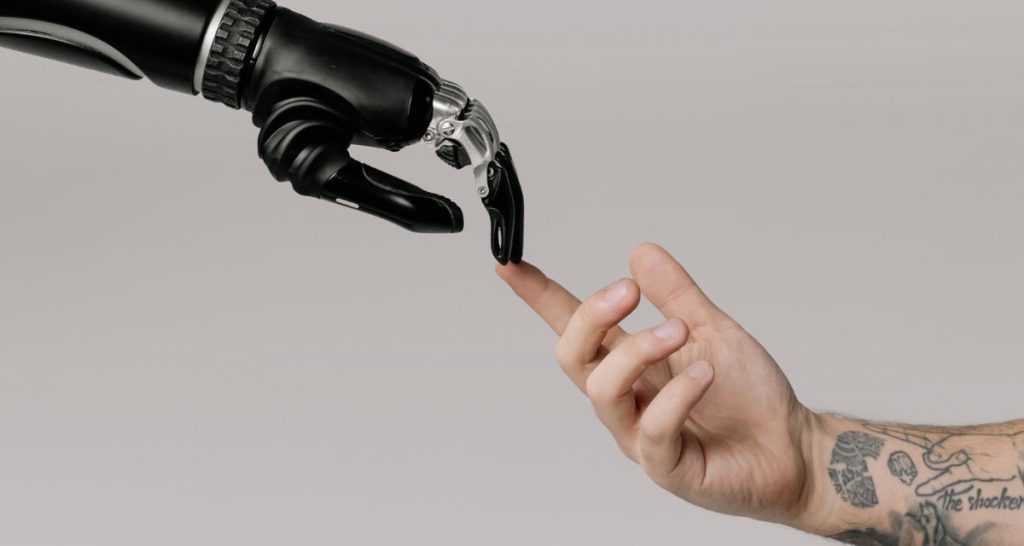
A simple guide to the tool everyone’s talking about. You’ve probably heard someone mention Notion and wondered what all the hype is about. Is it a note-taking app? A planner? A project management tool? The truth is, Notion is all of those things — and more. Whether you’re a student trying to keep track of assignments, a business owner juggling tasks, or someone who just wants a bit more structure in their life, Notion offers a flexible way to stay organised. Here’s a breakdown of it in a way that makes sense, even if you’ve never used a tool like this before. So… what exactly is notion? Notion is essentially a digital workspace. Think of it like a giant, customisable notebook — but one that can also act like a calendar, a to-do list, a database, a journal, or even a website. Instead of switching between ten different apps for notes, tasks, files, and reminders, Notion brings everything into one place. It’s like combining: How does notion work? Notion works using “blocks” — small building elements like text, images, checkboxes, headings, tables, and more. You create pages, and within those pages, you can add whatever blocks you need. Want a to-do list? Add checkbox blocks.Writing a journal entry? Add a text block.Need to plan content? Use a calendar or table block.Want everything in one dashboard? You can do that too. It’s completely customisable, which means you can build it around your life — not the other way around. What can you use notion for? One of the best things about Notion is how versatile it is. Here are just a few ways people use it: You can start simple — even with just a single page — and build from there. Is notion hard to use? Not at all — though it can feel overwhelming at first because there’s so much you can do with it. The key is to start small. Notion offers plenty of templates you can use straight away, so you don’t have to build anything from scratch. For example: You can use these as they are, or tweak them to suit your needs. Do you need to be tech-savvy? Nope. If you know how to type in a Word document or move things around in a Google Doc, you’ll be just fine. It’s designed to be intuitive — plus, there are loads of tutorials out there if you ever get stuck. Why is notion so popular? People love Notion because: Whether you’re looking for a simple place to take notes or dreaming of a fully custom life planner, Notion can be whatever you need it to be. It’s more than just an app — it’s a tool to help you simplify your life, boost productivity, and stay organised in a way that actually works for you. Reviewed April 2025. Always consult a professional for individual guidance.
What Is Notion? Read More »

A Life Planner System That Actually Works

A Life Planner System That Actually Works

Simple. ADHD-friendly. Easy to stick to. Tired of complicated planners that just add to the chaos? This system is different. It’s made for real life—especially if you have ADHD, anxiety, or just too much going on. This is a life planner system that actually works. It’s visual, easy to manage, and built to keep you focused without feeling overwhelmed. What it is A colour-coded planning board in Notion with three main categories: 🟥 RED – Urgent (Do this now)🟦 BLUE – Important (Can wait a bit)🟩 GREEN – Done (You did it) That’s it. Just move tasks from red or blue to green. Simple and satisfying. How it works Extra options (if you want) Add extra columns for: Only use the columns you need. Hide the ones you don’t need, or aren’t using. Each task can include: Why it works (especially for ADHD) Optional: reflect weekly Want to build better habits? Add a “Reflection” section and write down: Final thoughts You don’t need more lists. You need a system that fits your brain. This planner can help you stay focused, feel accomplished, and actually finish what you start. 👉 Next: What Is Notion? Reviewed April 2025. Always consult a professional for individual guidance.

A Life Planner System That Actually Works Read More »

Zuckerberg Thinks AI Can Be Your Friend

Zuckerberg Thinks AI Can Be Your Friend

In a world where real connection already feels out of reach, Mark Zuckerberg’s recent statement has sparked a mix of curiosity and unease. He suggested that AI companions could become “meaningful” friends—especially for people battling loneliness and isolation. Let that sink in. The same man who helped create platforms that many argue contributed to the rise in social disconnection, now claims the solution is… more technology. Convenient. But is this really about helping people—or helping Meta tighten its grip? What’s really being sold? Let’s be honest: it’s not emotional support. It’s strategy. Meta’s latest rollout includes AI-generated personalities built into Instagram, WhatsApp, and Facebook. These “companions” are designed to keep users engaged, chatting longer, and relying on bots for emotional fulfilment. Zuckerberg frames it as a low-cost solution for the millions who don’t have access to real friends. But what looks like innovation is actually a well-disguised growth hack—boosting platform retention, data collection, and ad revenue. It’s not about your well-being. It’s about keeping you online. Mental health experts are ringing alarm bells Studies show that AI chatbots like Woebot and Replika may provide temporary relief, but long-term use can lead to a withdrawal from real-life interactions—damaging emotional resilience, social confidence, and even trust in human relationships. South Africa continues to under-resource mental health support. According to the South African Depression and Anxiety Group (SADAG), up to one in six South Africans suffer from anxiety, depression, or substance-use disorders — and that’s only counting diagnosed cases. With limited access to therapy, high costs of care, and a shortage of public mental health services, people are often left to cope alone. Instead of investing in more community centres, counsellors, or support helplines, we’re being offered bots in our inboxes. And while chatting with an AI might provide a moment of relief, it doesn’t replace genuine support — or human presence. What about our children? Now, the concern goes beyond adults. According to a new report from Common Sense Media, companion-like AI apps may pose serious risks to children and teens, including exposure to conversations about sex and self-harm. The organisation strongly advises against the use of these apps by anyone under the age of 18. Dr. Jameel Smith of Henry Ford Health warns that these interactions can have lasting psychological effects on young users. She urges parents to have clear safety plans in place before handing over a device. While some apps do support mental well-being, not all are safe, and not all are designed with young minds in mind. So, the question becomes: if this technology isn’t safe for children—why are we so quick to accept it for ourselves? Emotional outsourcing is not connection AI can play a role in mental health support, particularly when it comes to accessibility. But to suggest it can replace friendship is misleading at best, and harmful at worst. We make real friendships through eye contact, awkward silences, shared experiences, and genuine empathy — not programmed responses. We’re wired for connection, not code. So no, this isn’t a revolution in emotional care. It’s a business model. A product disguised as a person. Final thought Zuckerberg’s vision of AI friends might sound helpful, even futuristic. But behind the friendly interface lies a deeper concern: this isn’t friendship—it’s monetised loneliness. Let’s not let big tech define what “meaningful” connection looks like. We deserve more than bots. We deserve each other. Reviewed April 2025. Always consult a professional for individual guidance. Symptoms and Early Warning Signs of ARDS Symptoms and Warning Signs of Acute Lymphoblastic Leukaemia Dr Elizabeth Friend General Practitioner Moreleta Park Recognising the Warning Signs and Symptoms of Suicide The “Should I Be Worried?” Feeling: Depression Warning Signs

Zuckerberg Thinks AI Can Be Your Friend Read More »

When to Seek Help for Sciatic Pain

When to Seek Help for Sciatic Pain (And What Can Happen if You Don’t)

It’s tempting to wait out sciatic pain, hoping it’ll pass with time. And in many cases, it does. But when the discomfort lingers — or gets worse — it’s not something you should ignore. So, when should you see a doctor? If your sciatic pain lasts more than a week or two without improvement, it’s time to check in with a healthcare professional. You should also reach out if: These symptoms could mean your sciatic nerve is being compressed or damaged — and the longer that goes untreated, the more serious the consequences can become. Red flags to watch for: These are signs of a potential medical emergency, like cauda equina syndrome — and require immediate medical attention. What happens if you ignore it? Leaving sciatica untreated for too long can lead to: Sciatica may start off as a minor ache, but it can quickly turn into something that affects your day-to-day activities. If the pain is persistent or limiting, don’t push through it — reach out for help. Early intervention often leads to faster recovery and better long-term outcomes. Missed an article in the series? You can catch up here: • Sciatic Pain: What It Is and Why It Happens• Sciatic Pain Symptoms• Treating Sciatic Pain Reviewed April 2025. Always consult a professional for individual guidance. Complications of Untreated Astigmatism Diagnosing Autism: How and When It’s Done

When to Seek Help for Sciatic Pain (And What Can Happen if You Don’t) Read More »

Treating Sciatic Pain

Treating Sciatic Pain – What Really Helps and What to Avoid

Living with sciatic pain can be draining — physically and emotionally. The shooting, burning discomfort that travels from your lower back down your leg isn’t something you can just “walk off.” The good news though, is most people recover without surgery. The key is knowing what works, what doesn’t, and when to get help. At-home relief that makes a difference For many, simple lifestyle adjustments can go a long way: Treatment with professional support When home remedies aren’t enough, other treatments may offer relief: Physical therapy: A physiotherapist can show you stretches and strength-building exercises that reduce pressure on the sciatic nerve. Massage therapy and acupuncture: These can relax muscle tension and improve circulation — both of which may ease symptoms. Chiropractic care: Spinal adjustments might help if your sciatica is linked to poor alignment, but this should be approached cautiously and under expert guidance. When you need more than conservative care If symptoms persist beyond six weeks or get worse, it’s time to consult your doctor. They may suggest: Takeaway: There’s no one-size-fits-all solution. Recovery often takes time and the right mix of approaches. Don’t wait too long — the earlier you treat it, the better your chances of a full recovery. 👉 Next: When to Seek Help for Sciatic Pain Reviewed April 2025. Always consult a professional for individual guidance. You’ve Got This! Take Control of Your Anxiety Treatment of a Broken Toe Sciatic Pain Symptoms Sciatic Pain: What It Is and Why It Happens

Treating Sciatic Pain – What Really Helps and What to Avoid Read More »

Sciatic Pain Symptoms

Sciatic Pain Symptoms

Sciatic pain can feel different from one person to the next, but there are some common signs to watch for. Knowing what to look for can help you catch it early — and get relief faster. What does sciatic pain feel like? Sciatica typically causes pain that radiates from the lower back down the back of one leg. It may feel like a burning, tingling, or sharp stabbing sensation. Some people describe it as an electric shock that travels down the leg. Others feel a persistent dull ache or a mix of sensations that change depending on position or movement. Other sciatic pain symptoms might also notice: Is it always in one leg? Yes — most cases of sciatica affect one side of the body. The pain typically follows the path of the sciatic nerve, which runs from the lower spine through the buttocks and down the leg. The intensity can vary from mild discomfort to severe pain that makes it difficult to walk or sleep. Other signs to watch for: When should you worry? If you experience leg weakness or struggle to control your bladder or bowels, this may indicate cauda equina syndrome — a rare but serious condition that needs immediate medical attention. It’s always best to consult a healthcare professional if symptoms worsen or interfere with your daily life. 👉 Next: Treating Sciatic Pain Reviewed April 2025. Always consult a professional for individual guidance. Broken Leg Complications and Recovery from a Broken Leg When to Seek Help for Sciatic Pain (And What Can Happen if You Don’t) Sciatic Pain: What It Is and Why It Happens

Sciatic Pain Symptoms Read More »

Sciatic Pain What It Is and Why It Happens

Sciatic Pain: What It Is and Why It Happens

If you’ve ever felt a sharp, shooting pain that starts in your lower back and travels down your leg, you might have experienced sciatica. It’s not just a sore back — sciatica can affect how you move, sleep, and go about your day. What is sciatic pain? Sciatic pain, or sciatica, occurs when the sciatic nerve — the longest and widest nerve in your body — becomes irritated or compressed. This nerve runs from your lower back through your hips, buttocks, and down both legs. When it’s inflamed or pinched, the result can be pain, numbness, or even muscle weakness along the nerve pathway. Common causes of sciatica: Should you be worried? Most sciatic pain improves with time, gentle movement, and a few lifestyle adjustments. Stretching, staying active, and using heat or cold packs can help manage symptoms. However, if the pain sticks around, gets worse, or interferes with your ability to function, it’s time to speak to a healthcare professional. Don’t ignore persistent pain — understanding the cause is the first step toward finding relief and avoiding complications later on. 👉 Next: Sciatic Pain Symptoms Reviewed April 2025. Always consult a professional for individual guidance. Diagnosing Autism: How and When It’s Done Coventry Back Pain Chiropractor ED Sciatica Nerve Treating Sciatic Pain – What Really Helps and What to Avoid When to Seek Help for Sciatic Pain (And What Can Happen if You Don’t)

Sciatic Pain: What It Is and Why It Happens Read More »

Scroll to Top