Mental Matters

Author name: Staff Writer

What Causes Depression

What Causes Depression?

Depression is a complex mental health condition, and its causes aren’t always easy to pinpoint. While it can sometimes be triggered by a specific event or experience, in many cases, it develops gradually or appears without a clear reason. Life Events and Situational Triggers Major life events can trigger depressive episodes. These include the loss of a loved one, divorce, financial difficulties, serious illness, or job loss. Chronic stress—whether related to work, caregiving, or personal relationships—can also wear down your emotional resilience over time. That said, not everyone who goes through difficult times develops depression. It often depends on how you process stress, your support system, and your overall mental health. Biological and Genetic Factors Research shows that biological factors play a significant role in depression. Changes in brain chemistry, such as imbalances in neurotransmitters like serotonin and dopamine, can affect mood regulation. Hormonal fluctuations—due to pregnancy, postpartum changes, menopause, or thyroid issues—can also trigger depression. In some people, these changes may increase vulnerability to low mood or anxiety. Genetics can be another factor. If depression runs in your family, you may have a higher risk of developing it, although it doesn’t guarantee you will. Chronic Health Conditions Living with long-term health issues such as chronic pain, diabetes, heart disease, or autoimmune conditions can increase the risk of depression. These conditions can affect your quality of life, independence, and energy levels—contributing to feelings of hopelessness or low self-worth. Personality and Psychological Factors Certain personality traits may also play a role. People who are overly self-critical, perfectionistic, or prone to rumination (dwelling on negative thoughts) may be more susceptible. A history of trauma or childhood adversity can also increase the likelihood of depression later in life. Social Isolation and Burnout Loneliness, lack of meaningful connection, or a prolonged sense of dissatisfaction can also impact mental wellbeing. Burnout from unrelenting responsibilities or emotional overload can lead to emotional exhaustion—one of the hallmarks of depression. While there’s no single cause of depression, understanding the different risk factors can help with early recognition and support. 👉 Next: How Is Depression Diagnosed? Reviewed April 2025. Always consult a professional for individual guidance. Understanding Emotional Triggers Causes and Risk Factors of Adult ADHD Causes and Risk Factors of Breast Cancer in Women Dr. Maria Theologides Biological Paediatric Specialist Gardens Recognising Burnout Early


What Causes Depression? Read More »

The Symptoms of Clinical Depression

The Symptoms of Clinical Depression

Clinical depression affects everyone differently — but there are common signs that can help you recognise when you, or someone you care about, might be experiencing more than just a passing low mood. How Depression Can Feel Depression isn’t just feeling sad. It’s a deep, persistent sense of emotional heaviness that can affect your thoughts, behaviours, body, and relationships. It often lingers for weeks or months, making daily life feel like a struggle. You might feel: How It Shows Up in the Body Depression doesn’t just affect the mind — it often shows up physically too: Everyday Things That Become Harder When you’re depressed, even simple tasks can feel overwhelming: What to Look for in Loved Ones If someone close to you seems withdrawn, low on energy, or “just not themselves,” they may be silently struggling. Gently checking in with them can make a difference. Recognising these symptoms early means you can seek support sooner. Depression is treatable — and the earlier you reach out, the easier it is to start feeling better. You can call SADAG at 0800 567 567 (24-hour suicide crisis line) or 0800 21 22 23 for mental health support. Lifeline is also available at 0861 322 322. Online support groups and therapy can also offer connection and guidance when you need it most. 👉 Next: What Causes Depression? Reviewed April 2025. Always consult a professional for individual guidance. Clinical Depression in Adults Working With – Not Against – My Depression Osman Orthodontics Pretoria West Osman Orthodontics Centurion Autism: The Early Signs to Look Out For

The Symptoms of Clinical Depression Read More »

Clinical Depression in Adults

Clinical Depression in Adults

We all feel down or low from time to time. It’s part of being human. But clinical depression—also known as major depressive disorder—is more than a temporary dip in mood. It’s a medical condition that can affect how you feel, think, and go about your daily life. Depression can leave you feeling persistently sad, flat, or emotionally drained for weeks or even months. It’s not about being lazy or dramatic. And no, you can’t just “cheer up” or “snap out of it”. However, with the right help, support, and sometimes treatment, most people with depression can and do recover. What Does Depression Feel Like? Depression shows up differently for everyone. Some people feel overwhelmingly sad or cry often. Others feel numb, irritable, or struggle to get out of bed. Things you once loved may no longer bring joy. You may feel hopeless, tired all the time, or struggle to concentrate. Alongside the emotional side, physical symptoms are also common—like disrupted sleep, changes in appetite, body aches, or low energy. It ranges from mild to severe. In milder cases, you might still manage your everyday routine, just with a heavy cloud hanging over you. In severe cases, depression can make it hard to function at all and may lead to thoughts of self-harm or suicide. When Should You Get Help? If your low mood has lasted more than a couple of weeks, or if it’s starting to affect your work, relationships, or overall quality of life—it’s time to reach out. Speak to a doctor or mental health professional. The sooner you get support, the sooner you can start feeling better. Many people wait too long to get help. You don’t have to wait for things to get “bad enough”. Reaching out early makes a difference. What Causes Depression? There isn’t one simple cause. It can be triggered by life events—like grief, divorce, trauma, financial stress, or losing your job. Sometimes it’s linked to physical health issues or hormone changes (like postnatal depression). For others, depression appears without any clear reason at all. Family history can also play a role, but even if depression runs in your family, it doesn’t mean you’re guaranteed to experience it. What Helps? Treatment looks different for everyone. For some, regular exercise and lifestyle changes help. Others benefit from therapy, support groups, or medication. Often, it’s a combination. In milder cases, a GP might recommend self-help strategies or “watchful waiting”—keeping an eye on symptoms while encouraging positive changes. For moderate to severe depression, talking therapies (like CBT) and antidepressants are commonly used. Severe cases may need specialised mental health care and more intensive support. Living With Depression It takes courage to face depression—but you don’t have to do it alone. Many people find that understanding their triggers, creating routines, and connecting with others can make a big difference. Support is out there—whether it’s a therapist, a friend, a support group, or a helpline. You deserve to feel better, and recovery is possible. 👉 Next: The Symptoms of Clinical Depression Below are some useful helplines: SOUTH AFRICA: SADAG (South African Depression and Anxiety Group)– 0800 456 789 (24hr Suicide Crisis Helpline)– 0800 12 13 14 or SMS 31393 (general mental health support) Lifeline South Africa– 0861 322 322 (24/7) Childline South Africa (for children & teens)– 0800 055 555 INTERNATIONAL: Befrienders Worldwide– www.befrienders.org Samaritans (UK)– 116 123 (free, 24/7)– www.samaritans.org National Suicide Prevention Lifeline (US)988 or 1-800-273-TALK (8255) Reviewed April 2025. Always consult a professional for individual guidance. Clinical Psychologist Centurion Treatment for Depression Clinical Psychologist Sandton What Is the Difference Between Anxiety and Depression? Working With – Not Against – My Depression

Clinical Depression in Adults Read More »

Addison's Disease FAQ

Addison’s Disease Frequently Asked Questions

In this FAQ section, we tackle some of the most frequently asked questions about Addison’s disease, focusing on aspects of living with the condition, managing daily life, and understanding its broader impact. If you’re newly diagnosed or simply looking for more insight, this guide is here to help. Do I Need to Adjust My Diet with Addison’s Disease? Yes, dietary adjustments may be recommended. Individuals with Addison’s disease often have a higher need for sodium, especially during times of stress or illness. A balanced diet with adequate salt intake, along with plenty of hydration, is essential. Your healthcare provider can offer personalized dietary guidelines based on your specific health needs. What’s the Relationship Between Addison’s Disease and Stress? Stress can have a significant impact on Addison’s disease. When you’re under physical or emotional stress, your body’s need for cortisol increases. People with Addison’s disease may need extra doses of their prescribed medication during times of high stress, like an illness, surgery, or personal crisis. Always consult your healthcare provider for guidance on managing stress and adjusting medication as needed. Can Addison’s Disease Be Managed Without Medication? Unfortunately, there is no natural way to manage Addison’s disease without medication. The condition requires lifelong hormone replacement therapy to replace the cortisol and aldosterone that your adrenal glands can’t produce. You must take your medication regularly as prescribed to maintain normal body functions and prevent an adrenal crisis. Can I Lead a Normal Life with Addison’s Disease? Yes, many people with Addison’s disease live full, active lives. With proper treatment and lifestyle management, including stress reduction, regular medical check-ups, and adherence to prescribed medication, people with Addison’s disease can lead normal lives. Staying on top of your health and being mindful of triggers will help you manage the condition effectively. Is Addison’s Disease Common? Doctors consider Addison’s disease rare, diagnosing it in only a small percentage of the population. While it can occur at any age, they most often identify it in adults between 30 and 50 years old. The disease can affect both men and women equally, although some forms are more prevalent in certain populations, such as those with autoimmune disorders. How Can I Spot an Addisonian Crisis? An Addisonian crisis is a medical emergency that occurs when the body is unable to respond to stress due to insufficient cortisol. Signs of an Addisonian crisis include extreme weakness, confusion, abdominal pain, nausea, vomiting, and low blood pressure. If you experience these symptoms, seek immediate medical attention. Treatment typically involves intravenous fluids and cortisol to stabilize your condition. Can Addison’s Disease Affect Pregnancy? Yes, but with proper care, many women with Addison’s disease can have successful pregnancies. It’s important to work closely with your healthcare provider to adjust medication doses during pregnancy. Regular monitoring and proper hormone replacement therapy can help manage the condition and reduce the risks to both mother and baby. What Should I Do if I Miss a Dose of My Medication? When missing a dose of your medication, it is recommended that you take it as soon as you remember. If it’s almost time for your next dose, skip the missed dose — never double up to make up for a missed one. If you’re unsure, contact your healthcare provider for guidance. Can I Participate in Sports or Exercise with Addison’s Disease? Yes, individuals with Addison’s disease can participate in sports or exercise, but it’s important to listen to your body and avoid pushing yourself too hard. Plan your exercise by staying well-hydrated, eating a balanced meal beforehand, and carrying your medication in case you need extra cortisol during physical exertion. Conclusion Living with Addison’s disease can present unique challenges, but with the right treatment, lifestyle adjustments, and support, you can lead a healthy and fulfilling life. If you ever have questions or concerns about your condition, remember that you’re not alone — reach out to your healthcare provider, connect with others, and keep learning about managing Addison’s disease effectively. 👉 Missed an article in the series? You can catch up here: • Understanding Addison’s Disease• The Symptoms of Addison’s Disease• What Causes Addison’s Disease?• How is Addison’s Disease Diagnosed?• Addison’s Disease Treatment Reviewed April 2025. Always consult a professional for individual guidance.

Addison’s Disease Frequently Asked Questions Read More »

Addison's Disease Treatment

Addison’s Disease Treatment

Addison’s disease is a lifelong condition, but with proper treatment, most people can lead a normal life. The goal of treatment is to replace the hormones your adrenal glands no longer produce and manage any symptoms that arise. Typically, this involves a combination of medication, lifestyle changes, and regular monitoring by healthcare professionals. Hormone Replacement Therapy The cornerstone of treatment for Addison’s disease is hormone replacement therapy. Since the adrenal glands don’t produce enough cortisol and aldosterone, doctors will prescribe synthetic versions of these hormones. Lifestyle Changes and Managing Stress Managing stress is a key part of living with Addison’s disease. Stress increases the body’s demand for cortisol, and during stressful situations, people with Addison’s may need to increase their medication temporarily. This could mean taking additional doses of hydrocortisone during times of physical stress, such as illness, injury, or surgery. Patients are also encouraged to maintain a balanced diet, ensuring they get enough salt, particularly during hot weather or when they’re sweating more than usual, as this can help support aldosterone function. Emergency Treatment An Addisonian crisis is a life-threatening situation that can occur if Addison’s disease isn’t properly managed. Symptoms of an Addisonian crisis include severe dehydration, low blood pressure, confusion, and loss of consciousness. This requires immediate emergency treatment with intravenous fluids, electrolytes, and high doses of cortisol. If you have Addison’s disease, it’s crucial to wear a medical alert bracelet or carry identification indicating your condition. This way, healthcare professionals can provide prompt treatment in case of an emergency. Ongoing Monitoring and Adjusting Treatment Once treatment starts, regular monitoring is crucial. Your doctor will regularly check your hormone levels and adjust your medication doses as necessary. Factors such as illness, stress, or changes in lifestyle can all influence how much medication you need, so maintaining open communication with your healthcare team is essential for managing your condition effectively. Conclusion While there is no cure for Addison’s disease, treatment is very effective at managing symptoms and preventing complications. With the right hormone replacement therapy, lifestyle adjustments, and regular monitoring, people with Addison’s disease can live full, active lives. Working closely with a healthcare provider is key to finding the right balance of treatment and staying healthy long-term. 👉 Next: Addison’s Disease Frequently Asked Questions Reviewed April 2025. Always consult a professional for individual guidance. Adjust Massage Nottingham What Causes Addison’s Disease? How is Addison’s Disease Diagnosed? Understanding Addison’s Disease

Addison’s Disease Treatment Read More »

How is Addison’s Disease Diagnosed

How is Addison’s Disease Diagnosed?

Diagnosing Addison’s disease can be tricky since its symptoms often overlap with other conditions. The process usually starts with a doctor reviewing your medical history and symptoms. They may perform a series of tests to confirm the diagnosis. Early detection is key, as untreated Addison’s disease can lead to life-threatening complications. Physical Exam and Medical History During your visit, your doctor will begin by asking about your symptoms and reviewing your medical history. They’ll also conduct a physical examination to look for common signs of Addison’s disease, such as darkened skin (known as hyperpigmentation), low blood pressure, and any unexplained weight loss. If Addison’s disease is suspected, further testing will follow. Blood Tests Blood tests are one of the main tools used to diagnose Addison’s disease. These tests measure the levels of various hormones, such as cortisol and aldosterone, which are produced by the adrenal glands. In Addison’s disease, these hormone levels are often lower than normal. Additionally, doctors will check sodium, potassium, and glucose levels in the blood. A key test is the ACTH Stimulation Test, which evaluates how well your adrenal glands respond to adrenocorticotropic hormone (ACTH). If your adrenal glands don’t produce enough cortisol in response to this test, it’s a strong indicator of Addison’s disease. Imaging Tests In some cases, imaging tests like a CT (computed tomography) scan or an MRI (magnetic resonance imaging) may be ordered. These can help doctors see if there is any damage or abnormalities in the adrenal glands. A CT scan, for example, can show if the adrenal glands are smaller or damaged, which is common in autoimmune forms of Addison’s disease. Additional Tests If a secondary cause is suspected, such as tuberculosis or cancer, doctors may order further tests to check for these conditions. This could include a chest X-ray, a skin biopsy, or tests for specific infections. When to See a Doctor If you experience symptoms like fatigue, unexplained weight loss, low blood pressure, or skin discoloration, it’s important to see a healthcare provider. Addison’s disease can be managed effectively with the right diagnosis and treatment. The sooner you’re diagnosed, the better the outcome. Conclusion The diagnosis of Addison’s disease involves a combination of medical history review, physical exam, blood tests, and possibly imaging. While these tests may take time, early diagnosis is crucial for managing the disease and preventing complications. 👉 Next: Addison’s Disease Treatment Reviewed April 2025. Always consult a professional for individual guidance. Recognising the Symptoms of Addison’s Disease Addison’s Disease Frequently Asked Questions What Causes Addison’s Disease? Understanding Addison’s Disease

How is Addison’s Disease Diagnosed? Read More »

What Causes Addison’s Disease

What Causes Addison’s Disease?

Understanding the root causes of Addison’s disease can help in early detection and better management. Autoimmune Disease: The Most Common Cause In many developed countries, most cases of Addison’s disease are autoimmune in nature. This means the body’s immune system mistakenly attacks the adrenal glands, damaging the outer layer (adrenal cortex) responsible for hormone production. This type of Addison’s disease is called autoimmune adrenalitis. The exact reason why this immune response occurs isn’t fully understood, but it’s often seen alongside other autoimmune conditions like type 1 diabetes, thyroid disorders, or vitiligo. This collection of conditions is sometimes referred to as autoimmune polyendocrine syndrome. Infections In some regions, particularly in developing countries, infections are a leading cause. Tuberculosis (TB) used to be the most common culprit worldwide and still is in areas where TB is prevalent. The infection can spread to the adrenal glands, causing lasting damage. Other infections that may affect the adrenal glands include: Rare genetic disorders can also lead to Addison’s disease. For example, congenital adrenal hyperplasia (CAH) is a group of inherited conditions that affect hormone production from birth. In some cases, adrenoleukodystrophy (ALD) — a condition that affects the nervous system and adrenal glands — is responsible, particularly in boys and young men. Other Possible Causes When the Cause Is Unknown Sometimes, no clear cause is identified. In these cases, further testing and monitoring may help uncover underlying issues or rule out other conditions. 👉 Next: How is Addison’s Disease Diagnosed? Reviewed April 2025. Always consult a professional for individual guidance. Recognising the Symptoms of Addison’s Disease Addison’s Disease Treatment Addison’s Disease Frequently Asked Questions Understanding Addison’s Disease

What Causes Addison’s Disease? Read More »

Recognising the Symptoms of Addison’s Disease

Recognising the Symptoms of Addison’s Disease

Addison’s disease, also known as primary adrenal insufficiency, can be tricky to spot. The symptoms often develop gradually and are easy to confuse with other conditions — fatigue, low mood, or even stress. But recognising the signs early can make a big difference in getting the right treatment. Early Symptoms Are Often Missed At first, the symptoms might feel vague. You might just feel tired all the time or find it harder to bounce back from stress or illness. But these aren’t just signs of a busy life — they could point to something more serious. Common early symptoms include: More Noticeable Physical Changes As the condition progresses, the symptoms may become more noticeable. These include: These signs aren’t always obvious right away, and because they come on slowly, many people adapt to them — or brush them off as normal. What Happens in an Addisonian Crisis If left untreated, Addison’s disease can lead to a medical emergency known as an Addisonian crisis. This happens when the body can’t respond properly to stress, such as illness, injury, or surgery. An Addisonian crisis may involve: This is life-threatening and requires immediate medical attention. It’s one of the key reasons why understanding the symptoms of Addison’s disease matters — getting the right diagnosis early can prevent serious complications. Know What to Watch For If you or someone you care about has been feeling unusually tired, losing weight without trying, or experiencing strange cravings for salt, it’s worth looking into. Addison’s disease might be rare, but for those living with it, early diagnosis can be life-changing. 👉 Next: What Causes Addison’s Disease? Reviewed April 2025. Always consult a professional for individual guidance. Are We Losing Something with Online Therapy? How is Addison’s Disease Diagnosed? How is Addison’s Disease Diagnosed? Addison’s Disease Frequently Asked Questions Understanding Addison’s Disease

Recognising the Symptoms of Addison’s Disease Read More »

Understanding Addison’s Disease

Understanding Addison’s Disease

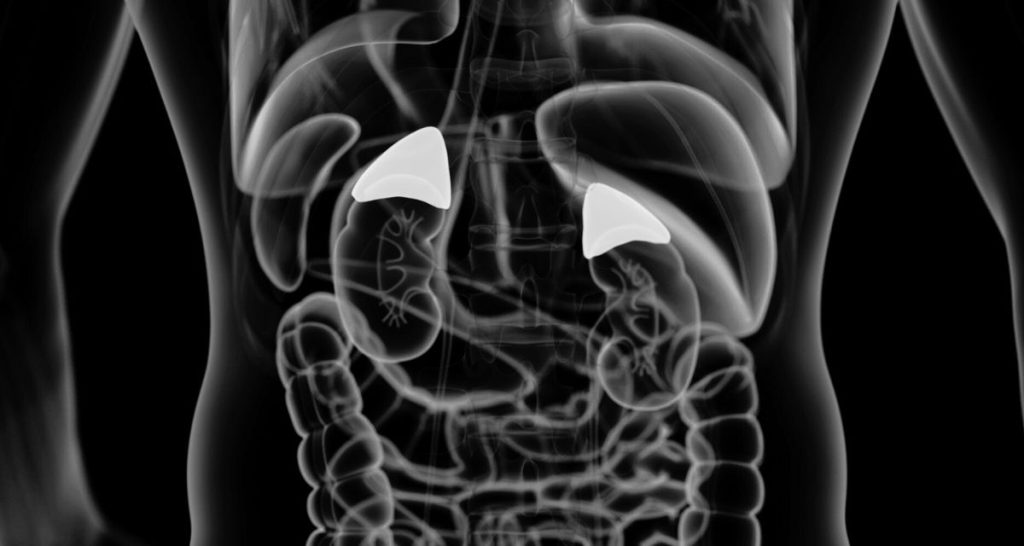
Addison’s disease, also known as primary adrenal insufficiency, is a rare but serious condition where the adrenal glands fail to produce enough of certain essential hormones — mainly cortisol and, in some cases, aldosterone. Your adrenal glands sit just above your kidneys and play a key role in your body’s stress response, blood pressure regulation, and metabolism. When they don’t work properly, the effects can impact nearly every system in the body. What Exactly Is Happening? In Addison’s disease, the adrenal glands are damaged, most often due to the immune system mistakenly attacking them — a condition called autoimmune adrenalitis. This damage reduces hormone production, leading to a gradual buildup of symptoms that can be life-threatening if untreated. It’s different from secondary adrenal insufficiency, which happens when the pituitary gland (which sends signals to the adrenal glands) isn’t producing enough ACTH — the hormone that tells the adrenal glands what to do. Addison’s refers specifically to issues within the adrenal glands themselves. Who Gets Addison’s Disease? Addison’s disease is rare, affecting around 100 to 140 people per million in developed countries, according to global estimates. It can develop at any age and in both men and women. Most diagnoses occur between the ages of 30 and 50. How It Can Affect Your Health While Addison’s disease is rare, it can be dangerous if left untreated — especially because symptoms tend to develop slowly and may be overlooked. However, with proper diagnosis and daily hormone replacement therapy, people with Addison’s disease can live healthy, active lives. 👉 Next: The Symptoms of Addison’s Disease Reviewed April 2025. Always consult a professional for individual guidance. Addison’s Disease Treatment Addison’s Disease Frequently Asked Questions How is Addison’s Disease Diagnosed? What Causes Addison’s Disease?

Understanding Addison’s Disease Read More »

Living with the Wind of the Bullet

Living with the Wind of the Bullet

Back in the 1800s, soldiers came up with a phrase — “vent du boulet”, or Wind of the Bullet Syndrome. It described what it felt like to be near a cannonball as it flew by. You didn’t have to get hit to feel shaken — just being close to it was enough. The sound, the force, the fear. They were left stunned, even if they weren’t physically hurt. Today, we’d probably call that PTSD. You Didn’t Have to Be in a War Zone But here’s the thing — you don’t need to have fought in a war to know what that feels like. If you grew up in a tense or unpredictable home, you might recognise this too. Maybe no one ever touched you, but the fear was still there. The shouting, the sudden mood swings, the quiet that felt too loud. You didn’t know what would set things off, so you were always on edge — bracing for something, even if it didn’t come. How the Body Remembers That’s your version of Wind of the Bullet Syndrome. It’s that tight feeling in your chest when someone raises their voice. It’s jumping when a door slams. It’s the way you try to avoid conflict at all costs, or how your body just shuts down when things get overwhelming. You learned to scan the room. You read people’s tone, their body language. You figured out how to stay small, stay invisible, stay safe. Still Living in Survival Mode And now, as an adult, you still carry that. Maybe you don’t know why certain things set you off — why you freeze, get anxious, or feel exhausted after emotional conversations. It’s because your body still remembers what it was like to live in survival mode. Naming It Is Part of the Healing You didn’t imagine it. You’re not too sensitive. Just because no one “hit” you doesn’t mean you weren’t hurt. There’s power in naming this. There’s relief in knowing that what you’re feeling has a reason. And there’s healing in understanding that you don’t have to live in that space forever. Reviewed April 2025. Always consult a professional for individual guidance. Play Move Grow Norwich Peter Grewe Opticians Goodwood 10 Things Everyone Should Know About Autism What to Do (and Not Say) to Someone Who’s Feeling Down Mode Physiotherapy Nottingha

Living with the Wind of the Bullet Read More »

Scroll to Top