Mental Matters

Author name: Staff Writer

Could Idiopathic Pancreatitis Be a Prognostic Clue in Crohn’s Disease

Could Idiopathic Pancreatitis Be a Prognostic Clue in Crohn’s Disease?

Idiopathic pancreatitis—acute pancreatitis with no clear, identifiable cause—has long puzzled doctors and researchers alike. While often seen as a standalone condition, new research suggests that idiopathic pancreatitis may have a deeper connection to inflammatory bowel diseases (IBD), especially Crohn’s disease. Understanding Idiopathic Pancreatitis Acute pancreatitis is an inflammation of the pancreas that typically results from causes like gallstones or heavy alcohol use. However, in some cases—labelled “idiopathic”—no cause is found, even after extensive testing. These cases can be particularly frustrating for patients and clinicians due to their unpredictability. The Link Between IBD and the Pancreas Patients with IBD, including Crohn’s disease and ulcerative colitis, already live with chronic inflammation in the digestive tract. What’s now becoming more evident is that some of these patients may also develop pancreatitis, even without the usual triggers. Could this be more than just coincidence? What the Study Found A 2023 study published in BMC Gastroenterology reviewed 56 patients with IBD who developed acute pancreatitis.¹ The researchers divided the cases into those with known causes (like medication side effects or gallstones) and those classified as idiopathic. They then tracked how the patients’ IBD progressed over the following year. The key takeaway? Patients with Crohn’s disease who had idiopathic pancreatitis were more likely to experience an aggressive disease course. This included needing changes to their biologic treatments, dose escalations, or even IBD-related surgeries. The same link was not found in patients with ulcerative colitis. These findings suggest that idiopathic pancreatitis might be more than a random flare-up—at least for some patients. In Crohn’s disease, it may serve as a red flag that signals a potentially more severe path ahead. This opens the door to earlier intervention or closer monitoring for those affected. The authors of the study note that more research is needed, particularly with larger groups of patients, to confirm the connection. But if validated, it could lead to a shift in how we view and treat pancreatitis in IBD patients, particularly those with Crohn’s disease. Final Thoughts While idiopathic pancreatitis has traditionally been seen as a diagnosis of exclusion, studies like this one encourage a broader look at underlying conditions—especially in patients already managing chronic illnesses like IBD. It’s another reminder of how interconnected our body systems truly are. Reviewed April 2025. Always consult a professional for individual guidance. Acute Pancreatitis: An Overview Complications and Recovery from Chronic Pancreatitis Chronic Pancreatitis What Causes Acute Pancreatitis?

Could Idiopathic Pancreatitis Be a Prognostic Clue in Crohn’s Disease? Read More »
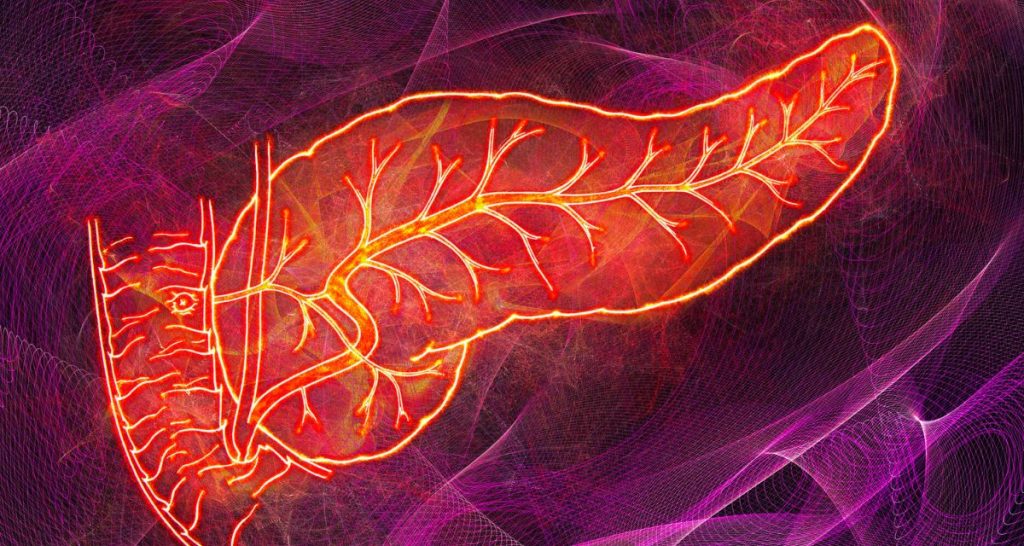
Understanding Idiopathic Pancreatitis

Understanding Idiopathic Pancreatitis

Pancreatitis is typically caused by gallstones, alcohol use, or certain medications. But in a surprising number of cases, doctors are unable to determine a clear cause — even after thorough testing. This form of the condition is called idiopathic pancreatitis, meaning it has no identifiable origin. What Is Idiopathic Pancreatitis? The term idiopathic refers to any condition that arises without a known cause. When applied to pancreatitis, it means the pancreas becomes inflamed but the usual culprits — like gallstones, alcohol, or infections — are not found during diagnosis. Idiopathic pancreatitis can be acute (a sudden episode) or chronic (ongoing inflammation over time). How Common Is It? Idiopathic pancreatitis accounts for a significant portion of acute pancreatitis cases worldwide. According to various clinical reviews and observational studies, around 10% to 30% of acute pancreatitis cases are labelled as idiopathic, meaning no clear cause can be identified even after standard diagnostic testing. This wide range reflects differences in diagnostic tools, healthcare access, and population health across regions. The condition appears to be slightly more common in older adults and may require more specialised imaging or follow-up tests to rule out less obvious causes, such as genetic mutations, autoimmune triggers, or microlithiasis. Potential Hidden Causes Idiopathic doesn’t always mean the cause is unknowable — sometimes it just requires more advanced investigation. Possible overlooked factors include: Diagnosing Idiopathic Pancreatitis Doctors may recommend further tests when they cannot find a cause initially, such as: These tests can help uncover less obvious causes and guide more targeted treatment. Why It Matters Knowing the cause of pancreatitis helps reduce the chance of future episodes. Even if they don’t find a definite cause, doctors can use the pattern of your condition to provide personalised care. If the condition recurs — called recurrent idiopathic pancreatitis — it may increase the risk of chronic pancreatitis, which can lead to long-term complications. Living With Idiopathic Pancreatitis For many people, lifestyle changes such as eating a low-fat diet, managing medications, and regular monitoring help manage the condition. Continued follow-up with a gastroenterologist is important, especially in recurrent or chronic cases. Reviewed April 2025. Always consult a professional for individual guidance. Chronic Pancreatitis Acute Pancreatitis: An Overview Complications and Recovery from Chronic Pancreatitis Could Idiopathic Pancreatitis Be a Prognostic Clue in Crohn’s Disease? What Causes Acute Pancreatitis?

Understanding Idiopathic Pancreatitis Read More »

Gallstones FAQ

Gallstones FAQ

Here are answers to some of the most frequently asked questions about gallstones. Whether you’re managing the condition or simply want to learn more, this FAQ provides clear, practical insights. 1. Can gallstones go away on their own? In many cases, gallstones remain “silent” and cause no problems. These do not need treatment. However, once symptoms appear, the stones typically do not go away without medical intervention. 2. What foods should I avoid if I have gallstones? Fatty, fried, and processed foods can trigger gallbladder attacks. Try to limit red meat, full-fat dairy, and baked goods made with hydrogenated oils. A high-fibre, low-fat diet is ideal. 3. Is surgery the only treatment? Not always. If gallstones aren’t causing symptoms, your doctor may recommend monitoring rather than surgery. However, if you’re experiencing recurring pain or complications, gallbladder removal (cholecystectomy) is often the most effective treatment. 4. Can I live a normal life without a gallbladder? Yes. Many people live healthy lives without a gallbladder. You might need to make small adjustments to your diet, especially immediately after surgery, but long-term effects are usually minimal. 5. Are gallstones more common in certain people? Yes. Women, particularly those over 40, people who are overweight, pregnant, or have a family history of gallstones are at higher risk. Rapid weight loss and certain medications can also increase your risk. 6. Can gallstones cause long-term damage? If left untreated, gallstones can lead to complications like inflammation, infections, or pancreatitis, which can be serious. Early diagnosis and management are key. 7. How are gallstones diagnosed? A simple abdominal ultrasound is the most common and effective way to detect gallstones. Sometimes, additional tests like CT scans, blood tests, or MRCP may be used. 👉 Missed an article in the series? You can catch up here: Reviewed April 2025. Always consult a professional for individual guidance.

Gallstones FAQ Read More »

Gallstones - What You Can Do to Lower Your Risk

Gallstones: What You Can Do to Lower Your Risk

Gallstones may not always be preventable, especially when genetics play a role, but many lifestyle-related risk factors can be managed to reduce your chances of developing them. If you’ve had gallstones before or simply want to lower your risk, here are some practical, evidence-based steps you can take. Eat a Balanced, Fibre-Rich Diet A diet high in fibre and healthy fats — and low in refined carbohydrates and unhealthy fats — can help keep your gallbladder functioning properly. Whole grains, fruits, vegetables, legumes, and healthy oils like olive oil are ideal choices. In contrast, diets high in saturated fat and cholesterol (like those found in processed meats or fried foods) can increase your risk of stone formation. In South Africa, as in many parts of the world, the shift towards highly processed foods and fast food has contributed to rising gallstone rates. Making intentional food choices is a key part of prevention. Maintain a Healthy Weight — But Avoid Rapid Weight Loss Obesity is a major risk factor for gallstones, particularly among women. That said, losing weight too quickly — more than 1.5 kg per week — can actually increase your risk. It’s best to aim for steady, gradual weight loss through a sustainable eating and exercise plan. Keep Active Regular physical activity improves digestion and helps regulate cholesterol levels, both of which support gallbladder health. Even walking for 30 minutes a day can make a difference. Manage Health Conditions Certain conditions like diabetes and high cholesterol may increase your risk of developing gallstones. If you have any underlying health issues, keeping them under control with medication or lifestyle changes can also help protect your gallbladder. Know Your Risk If you have a family history of gallstones, are over 40, female, or have had multiple pregnancies, your risk may be higher. In these cases, speaking with your healthcare provider about early screenings or lifestyle adjustments may be beneficial. 👉 Next: Gallstones FAQ Reviewed April 2025. Always consult a professional for individual guidance. What Causes Acute Pancreatitis? Gallstones What Causes Gallstones? Treatment Options for Gallstones Recognising the Symptoms of Gallstones

Gallstones: What You Can Do to Lower Your Risk Read More »

Treatment Options for Gallstones

Treatment Options for Gallstones

Once gallstones are diagnosed, the next step is deciding on the best treatment. Not everyone with gallstones will need active treatment—especially if the stones are “silent” and not causing any symptoms. But when symptoms or complications appear, medical intervention is often necessary. When Is Treatment Needed? Treatment is usually recommended if you have: For those with no symptoms, doctors might suggest monitoring rather than immediate treatment. Main Treatment Options 1. Surgery: Cholecystectomy The most common and effective treatment is surgery to remove the gallbladder—a procedure called a cholecystectomy. In South Africa, this surgery is widely available in both public and private hospitals. It’s a routine procedure in most parts of the world. 2. Medications If surgery isn’t an option due to other health conditions, certain medications may help: 3. Endoscopic Procedures If a stone is stuck in the bile duct, a doctor may perform an ERCP (Endoscopic Retrograde Cholangiopancreatography). This is a non-surgical procedure that uses a camera and instruments to remove the stone. After Treatment Most people live perfectly well without a gallbladder. Some may experience mild digestive changes at first, but these usually improve over time. It’s often recommended to adopt a lower-fat diet and eat smaller, more frequent meals during recovery. Final Note Effective treatment depends on individual factors—your symptoms, the size and location of the stones, and your overall health. The good news is that gallstones are manageable, and with the right care, you can go back to living comfortably. 👉 Next: What You Can Do to Lower Your Risk Reviewed April 2025. Always consult a professional for individual guidance. What Causes Acute Pancreatitis? Recognising the Symptoms of Gallstones Gallstones What Causes Gallstones?

Treatment Options for Gallstones Read More »

How Gallstones Are Diagnosed

How Gallstones Are Diagnosed

When symptoms like upper abdominal pain, nausea, or jaundice suggest gallstones, accurate diagnosis is key to preventing complications. While gallstones themselves can remain silent, diagnosing them promptly once symptoms emerge allows for timely treatment and better outcomes. Clinical Evaluation Comes First The diagnostic journey begins with a consultation and physical exam. Healthcare professionals assess the patient’s symptoms, their pattern, and associated risk factors. Questions about recent meals, family history, or weight changes help build a clinical picture. On examination, tenderness in the upper right abdomen may raise suspicion of gallbladder-related issues. However, since digestive symptoms can overlap with many other conditions, imaging tests are essential for confirmation. Key Diagnostic Tests 1. Abdominal Ultrasound This is the frontline diagnostic tool. It’s non-invasive, safe, and widely used in both public and private healthcare settings in South Africa and internationally. Ultrasound is highly effective at detecting stones within the gallbladder and is often the first recommended scan. 2. Blood Tests These help identify inflammation, infection, or liver function abnormalities. Elevated white cell counts may signal an infection like cholecystitis. Raised liver enzymes or bilirubin can indicate bile duct obstruction caused by a gallstone. 3. CT Scan (Computed Tomography) Although not as sensitive as ultrasound for gallstones, a CT scan provides a broader view of the abdomen and is helpful when complications like pancreatitis or perforation are suspected. 4. MRCP (Magnetic Resonance Cholangiopancreatography) This specialised MRI scan creates detailed images of the bile ducts and is particularly useful when stones are suspected in the ducts rather than in the gallbladder itself. It’s non-invasive and widely used in larger hospitals or specialist centres. 5. Endoscopic Ultrasound (EUS) Often used in cases where other imaging tests are inconclusive, EUS offers high-resolution visuals of the bile ducts and pancreas. It’s not always available in public hospitals but is increasingly accessible in South African tertiary facilities. 6. HIDA Scan This nuclear medicine scan evaluates how well the gallbladder empties bile. It’s typically used to assess gallbladder function when stones aren’t visible but symptoms persist. Diagnostic Access in South Africa Access to basic imaging like ultrasound and blood tests is relatively widespread across public hospitals and clinics. However, advanced tests like MRCP and EUS are generally limited to specialist centres, often requiring referral. Globally, the approach is similar, though waiting times and accessibility may vary. Early Detection Matters Gallstones may not always be preventable, but complications often are. Getting the right tests early—especially when symptoms are vague or recurring—makes a significant difference. If your doctor suspects gallstones, ask about an ultrasound and the next diagnostic steps based on your symptoms and healthcare setting. 👉 Next: Treatment Options for Gallstones Reviewed April 2025. Always consult a professional for individual guidance. Recognising the Symptoms of Gallstones What Causes Gallstones? Gallstones: What You Can Do to Lower Your Risk Gallstones

How Gallstones Are Diagnosed Read More »

What Causes Gallstones

What Causes Gallstones?

Gallstones are more common than many people realise—and understanding what causes them is key to preventing future complications. These small, hardened deposits form in the gallbladder, a small organ just beneath the liver that helps with digestion. But why do they form in the first place? Types of Gallstones There are two main types of gallstones: Each type has different underlying causes, although some risk factors overlap. Key Causes and Risk Factors Several factors contribute to the formation of gallstones: Who Is Most at Risk? Certain groups are more prone to developing gallstones: A Global and Local Health Concern Globally, gallstone disease is on the rise due to more sedentary lifestyles and poor diets. In South Africa, the increase in processed food consumption mirrors international trends, especially in urban communities, adding to the national burden of gallbladder-related conditions. By recognising and managing these risk factors—through diet, exercise, and medical guidance—you can reduce your chances of developing gallstones and avoid the potential complications they may cause. 👉 Next: How Gallstones Are Diagnosed Reviewed April 2025. Always consult a professional for individual guidance. What Causes Acute Pancreatitis? Recognising the Symptoms of Gallstones Gallstones Gallstones: What You Can Do to Lower Your Risk Treatment Options for Gallstones

What Causes Gallstones? Read More »

Recognising the Symptoms of Gallstones

Recognising the Symptoms of Gallstones

Gallstones are hardened deposits that form in the gallbladder, and they can go unnoticed for years. Many people have what are called “silent stones,” which cause no symptoms and are often discovered incidentally during medical scans. Common Warning Signs When symptoms do appear, they can be quite uncomfortable. The most typical sign is biliary colic—a sudden, sharp pain in the upper right or middle abdomen. This pain usually strikes after eating a fatty meal and may last for several minutes to a few hours. The pain might also radiate to the right shoulder or back. Other common symptoms include: While many associate gallstones with sharp abdominal pain, not everyone experiences the classic signs. Some may feel vague indigestion, acid reflux, or even mild back discomfort. These less obvious symptoms can easily be mistaken for other gastrointestinal issues, which is why gallstones often go undiagnosed for some time. Certain foods can also trigger these symptoms—especially high-fat meals, dairy, or fried dishes. People often report discomfort worsening after large or late meals, or when lying down shortly after eating. Symptom Progression and Severity At first, symptoms may come and go. This intermittent nature can be misleading, making people think the issue has resolved. However, over time, gallstone-related pain can increase in frequency and intensity. Attacks that once occurred once a month might start happening weekly or after every rich meal. Without intervention, what begins as discomfort can evolve into more serious, persistent pain that disrupts sleep or daily activities. This progression highlights the importance of early recognition and monitoring. When Gallstones Become Complicated Gallstones can sometimes block the bile ducts, leading to serious conditions. Cholecystitis, or inflammation of the gallbladder, can cause persistent pain, fever, and tenderness in the abdomen. More severe complications like pancreatitis or cholangitis (bile duct infection) may develop if stones become lodged in ducts, and these require immediate medical attention. Local and Global Relevance In South Africa, gallstones are increasingly linked to Westernised diets high in fat and low in fibre. However, this is a global issue, with risk factors including obesity, rapid weight loss, and hormonal changes—particularly among women over 40. When to Seek Medical Advice If you experience repeated episodes of abdominal pain after eating, especially pain that doesn’t improve with rest or over-the-counter medication, it’s important to speak to a healthcare provider. Simple tests, such as an ultrasound, can detect gallstones early and help prevent complications. Frequently Asked Questions Can gallstones cause back pain or shoulder pain?Yes, the pain may radiate to the back or right shoulder due to the location of the gallbladder and shared nerve pathways. Do all gallstones cause symptoms?No. Many people have “silent” stones that cause no problems. However, they may become symptomatic later. Can gallstones be confused with acid reflux or ulcers?Yes, especially when the pain is vague or non-specific. This makes a proper medical diagnosis essential. 👉 Next: What Causes Gallstones? Reviewed April 2025. Always consult a professional for individual guidance. Gallstones Symptoms of Cirrhosis Gallstones: What You Can Do to Lower Your Risk Treatment Options for Gallstones

Recognising the Symptoms of Gallstones Read More »

Acromegaly Risks

Acromegaly Risks

Without treatment, acromegaly can lead to serious complications affecting multiple systems in the body. The longer the condition is left untreated, the greater the risk of irreversible damage. Fortunately, early intervention can prevent or reduce many of these risks. Heart-Related Complications People with acromegaly often develop cardiovascular issues. These include high blood pressure, abnormal heart rhythms, and thickening of the heart muscle (cardiomyopathy). Over time, these changes can weaken the heart and lead to heart failure. By treating acromegaly early, individuals can often prevent these outcomes and maintain better heart health. Blood Sugar and Diabetes Risk Increased growth hormone levels interfere with insulin function, raising the risk of developing type 2 diabetes. Insulin resistance is common in untreated acromegaly. Through early intervention—whether surgical or medical—patients can lower GH levels and reduce the chance of diabetes. Sleep Apnoea Soft tissue growth in the tongue and throat can block airways during sleep, causing obstructive sleep apnoea. This leads to fatigue, poor sleep quality, and increased cardiovascular risks. Fortunately, treating acromegaly often improves breathing and sleep over time. Joint and Bone Disorders As growth hormone levels remain elevated, bones and cartilage grow excessively. This often results in joint pain, arthritis, and even spinal issues. Many patients experience swelling and discomfort in the hands, knees, or back. Although some joint damage may be irreversible, early diagnosis helps manage symptoms more effectively and slows progression. Vision Problems Large pituitary tumours may press on the optic nerves, causing visual field loss, blurred vision, or even blindness. Timely surgery can relieve this pressure, but delayed treatment increases the risk of permanent damage. Cancer Risks Some research links acromegaly with an increased risk of cancers, particularly colon and thyroid cancer. As a result, regular screening becomes vital for early detection. While not every patient will develop cancer, monitoring is an essential part of long-term care. Vision and Brain Function Large pituitary tumours can press on the optic nerves, leading to vision problems or headaches. MRI scans help detect these issues early, allowing doctors to act before permanent damage occurs. In Summary Timely diagnosis and treatment of acromegaly are crucial. Not only can early intervention reduce complications, but it can also improve quality of life. If you suspect symptoms, speak to a healthcare provider and request a referral to an endocrinologist. 👉 Missed an article in the series? You can catch up here: Reviewed April 2025. Always consult a professional for individual guidance.

Acromegaly Risks Read More »

Gallstones

Gallstones

Gallstones are small, hardened deposits that form in the gallbladder — a small, pear-shaped organ located just beneath the liver. Though they might not always cause symptoms, when they do, the effects can be painful and serious, sometimes even triggering conditions like acute pancreatitis. What Are Gallstones? Gallstones are made up mostly of cholesterol or bilirubin, substances found in bile. Bile is the digestive fluid produced by the liver and stored in the gallbladder, released into the small intestine to help break down fats. When the balance of substances in bile is off, stones can form — ranging in size from a grain of sand to a golf ball. There are two main types: Why Do Gallstones Form? Several risk factors can contribute to the development of gallstones, including: While gallstones are common — especially in older adults — many people may have them and never know it. Symptoms to Watch For Gallstones don’t always cause problems. But when they block the flow of bile, they can trigger a gallbladder attack, often referred to as biliary colic. Common symptoms include: If symptoms persist or become severe, immediate medical attention is crucial. Gallstones and Pancreatitis One of the more serious complications of gallstones is acute pancreatitis. This happens when a gallstone passes out of the gallbladder and blocks the bile duct or pancreatic duct, triggering inflammation of the pancreas. This connection is important — gallstones are among the leading causes of acute pancreatitis in South Africa and globally. If you’ve had a gallbladder attack or been diagnosed with pancreatitis, your doctor will likely investigate whether gallstones are involved. Diagnosis and Treatment Gallstones are often diagnosed through: Treatment depends on the severity of symptoms. Options include: Living Without a Gallbladder Many people live completely normal lives without a gallbladder. Bile will still reach the intestine, but instead of being stored, it flows continuously from the liver. Some people may experience mild digestive issues, especially with fatty meals, but these usually improve over time. Final Thoughts Gallstones are more than just a digestive issue — they can be silent for years or suddenly lead to serious conditions like pancreatitis. Understanding the signs and knowing when to seek help can make all the difference. 👉 Next: Recognising the Symptoms of Gallstones Reviewed April 2025. Always consult a professional for individual guidance. What Causes Acute Pancreatitis? Gallstones: What You Can Do to Lower Your Risk Treatment Options for Gallstones What Causes Gallstones?

Gallstones Read More »

Scroll to Top