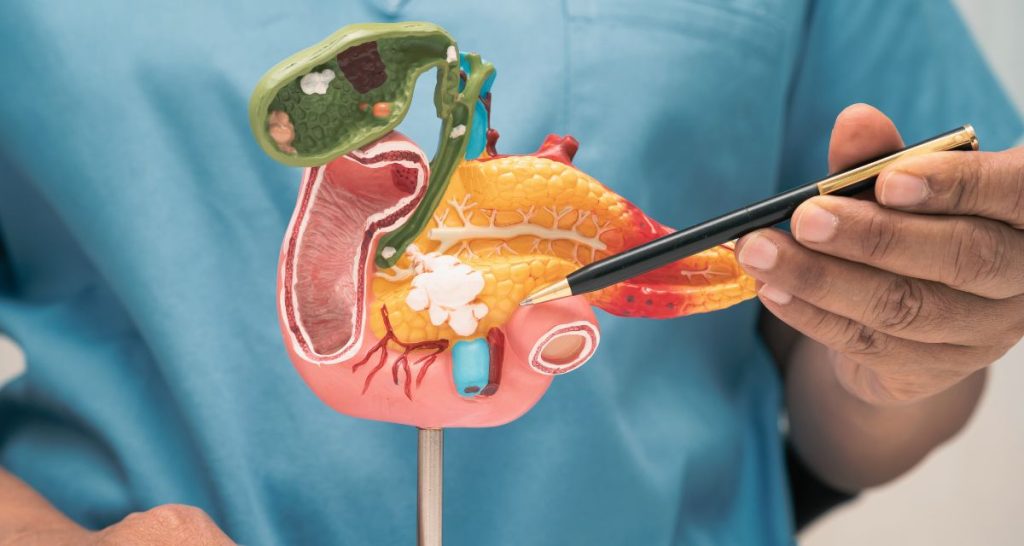
Mental Matters

Acute Pancreatitis

Could Idiopathic Pancreatitis Be a Prognostic Clue in Crohn’s Disease

Could Idiopathic Pancreatitis Be a Prognostic Clue in Crohn’s Disease?

Idiopathic pancreatitis—acute pancreatitis with no clear, identifiable cause—has long puzzled doctors and researchers alike. While often seen as a standalone condition, new research suggests that idiopathic pancreatitis may have a deeper connection to inflammatory bowel diseases (IBD), especially Crohn’s disease. Understanding Idiopathic Pancreatitis Acute pancreatitis is an inflammation of the pancreas that typically results from causes like gallstones or heavy alcohol use. However, in some cases—labelled “idiopathic”—no cause is found, even after extensive testing. These cases can be particularly frustrating for patients and clinicians due to their unpredictability. The Link Between IBD and the Pancreas Patients with IBD, including Crohn’s disease and ulcerative colitis, already live with chronic inflammation in the digestive tract. What’s now becoming more evident is that some of these patients may also develop pancreatitis, even without the usual triggers. Could this be more than just coincidence? What the Study Found A 2023 study published in BMC Gastroenterology reviewed 56 patients with IBD who developed acute pancreatitis.¹ The researchers divided the cases into those with known causes (like medication side effects or gallstones) and those classified as idiopathic. They then tracked how the patients’ IBD progressed over the following year. The key takeaway? Patients with Crohn’s disease who had idiopathic pancreatitis were more likely to experience an aggressive disease course. This included needing changes to their biologic treatments, dose escalations, or even IBD-related surgeries. The same link was not found in patients with ulcerative colitis. These findings suggest that idiopathic pancreatitis might be more than a random flare-up—at least for some patients. In Crohn’s disease, it may serve as a red flag that signals a potentially more severe path ahead. This opens the door to earlier intervention or closer monitoring for those affected. The authors of the study note that more research is needed, particularly with larger groups of patients, to confirm the connection. But if validated, it could lead to a shift in how we view and treat pancreatitis in IBD patients, particularly those with Crohn’s disease. Final Thoughts While idiopathic pancreatitis has traditionally been seen as a diagnosis of exclusion, studies like this one encourage a broader look at underlying conditions—especially in patients already managing chronic illnesses like IBD. It’s another reminder of how interconnected our body systems truly are. Reviewed April 2025. Always consult a professional for individual guidance. Acute Pancreatitis: An Overview Complications and Recovery from Chronic Pancreatitis Chronic Pancreatitis What Causes Acute Pancreatitis?

Could Idiopathic Pancreatitis Be a Prognostic Clue in Crohn’s Disease? Read More »
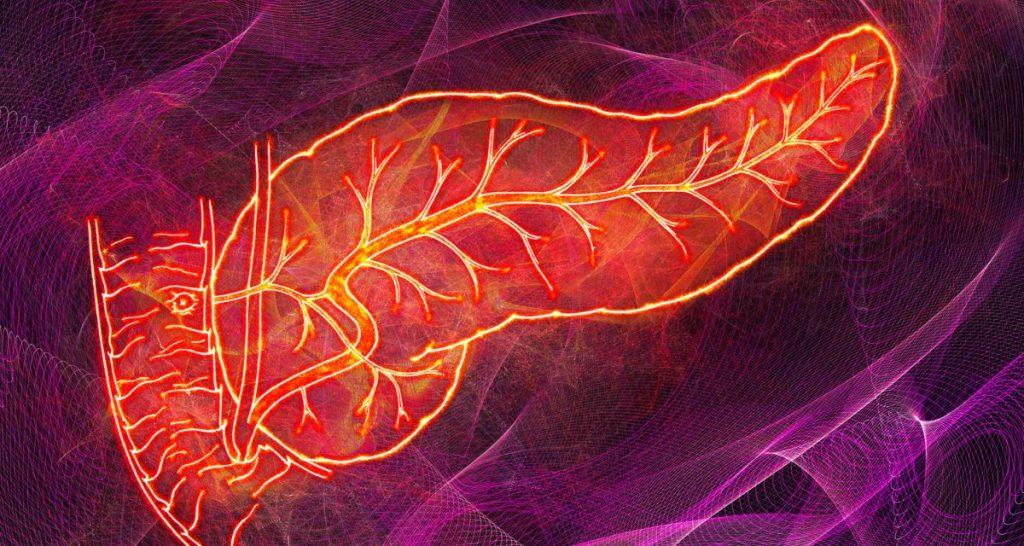
Understanding Idiopathic Pancreatitis

Understanding Idiopathic Pancreatitis

Pancreatitis is typically caused by gallstones, alcohol use, or certain medications. But in a surprising number of cases, doctors are unable to determine a clear cause — even after thorough testing. This form of the condition is called idiopathic pancreatitis, meaning it has no identifiable origin. What Is Idiopathic Pancreatitis? The term idiopathic refers to any condition that arises without a known cause. When applied to pancreatitis, it means the pancreas becomes inflamed but the usual culprits — like gallstones, alcohol, or infections — are not found during diagnosis. Idiopathic pancreatitis can be acute (a sudden episode) or chronic (ongoing inflammation over time). How Common Is It? Idiopathic pancreatitis accounts for a significant portion of acute pancreatitis cases worldwide. According to various clinical reviews and observational studies, around 10% to 30% of acute pancreatitis cases are labelled as idiopathic, meaning no clear cause can be identified even after standard diagnostic testing. This wide range reflects differences in diagnostic tools, healthcare access, and population health across regions. The condition appears to be slightly more common in older adults and may require more specialised imaging or follow-up tests to rule out less obvious causes, such as genetic mutations, autoimmune triggers, or microlithiasis. Potential Hidden Causes Idiopathic doesn’t always mean the cause is unknowable — sometimes it just requires more advanced investigation. Possible overlooked factors include: Diagnosing Idiopathic Pancreatitis Doctors may recommend further tests when they cannot find a cause initially, such as: These tests can help uncover less obvious causes and guide more targeted treatment. Why It Matters Knowing the cause of pancreatitis helps reduce the chance of future episodes. Even if they don’t find a definite cause, doctors can use the pattern of your condition to provide personalised care. If the condition recurs — called recurrent idiopathic pancreatitis — it may increase the risk of chronic pancreatitis, which can lead to long-term complications. Living With Idiopathic Pancreatitis For many people, lifestyle changes such as eating a low-fat diet, managing medications, and regular monitoring help manage the condition. Continued follow-up with a gastroenterologist is important, especially in recurrent or chronic cases. Reviewed April 2025. Always consult a professional for individual guidance. Chronic Pancreatitis Acute Pancreatitis: An Overview Complications and Recovery from Chronic Pancreatitis Could Idiopathic Pancreatitis Be a Prognostic Clue in Crohn’s Disease? What Causes Acute Pancreatitis?

Understanding Idiopathic Pancreatitis Read More »

What Causes Acute Pancreatitis

What Causes Acute Pancreatitis?

Acute pancreatitis occurs when the pancreas becomes inflamed over a short period. This inflammation is most commonly triggered by gallstones and alcohol consumption, but several other causes and contributing factors exist. Alcohol Use Heavy or prolonged alcohol use is one of the leading causes of acute pancreatitis globally—and especially in South Africa. Alcohol can irritate the pancreas and lead to premature activation of digestive enzymes, causing tissue damage. A South African study published in the South African Journal of Surgery found that 62% of acute pancreatitis cases at a regional hospital were linked to alcohol use. This reflects the significant role alcohol plays in local cases compared to some international trends. Gallstones Gallstones are another major cause, particularly in women and older adults. These stones can block the bile duct, trapping pancreatic enzymes and causing inflammation. Gallstones are also a leading cause of acute pancreatitis globally. In the same South African study, 14% of cases were attributed to gallstones, with an additional 4% caused by both gallstones and alcohol. Other Known Causes Acute pancreatitis can also result from other conditions and factors, including: The study also highlighted that 8% of cases were linked to dyslipidaemia and 5% to retroviral disease (such as HIV), emphasizing the role of these additional causes in South Africa. Idiopathic Pancreatitis In some cases, no clear cause can be found. These are known as idiopathic cases, and further testing is often required to uncover underlying issues. Potential causes include genetic mutations, autoimmune disease, or even microscopic gallstones that are too small to detect with routine imaging. Interestingly, 15% of cases in the regional hospital study were deemed idiopathic, where no clear cause could be identified despite thorough investigation. Local Insight and Study Findings A South African study from June 2001 to April 2006 examined 322 admissions of 282 patients with acute pancreatitis at a regional hospital. The findings reinforced alcohol as the leading cause of the condition, consistent with international reports, but also pointed to specific local factors. Outcomes: Of the 322 cases, 9% ended in death, with most of the deaths occurring in the first two weeks of hospitalisation. This early mortality rate suggests that improved supportive care could help improve overall survival. Source:South African Journal of Surgery, Vol. 46 (3), 2008, pp. 83-86. 👉 Next: Reviewed April 2025. Always consult a professional for individual guidance. Recognising the Symptoms of Acute Pancreatitis Causes of Chronic Pancreatitis Acute Pancreatitis: An Overview Complications and Recovery from Chronic Pancreatitis Understanding Idiopathic Pancreatitis

What Causes Acute Pancreatitis? Read More »

Recognising the Symptoms of Acute Pancreatitis

Recognising the Symptoms of Acute Pancreatitis

Acute pancreatitis can come on suddenly and escalate quickly, making it essential to understand the symptoms. While some cases may be mild and resolve with rest and supportive care, others can be severe, requiring urgent medical attention. Recognising the warning signs and symptoms of acute pancreatitis early is key to avoiding serious complications and improving recovery outcomes. The Most Common Symptoms The hallmark symptom of acute pancreatitis is intense abdominal pain. This pain often begins in the upper abdomen and can radiate through to the back. It may start as a dull ache and intensify over time, sometimes becoming unbearable. Many people report that the pain worsens after eating, particularly meals high in fat. Other frequent symptoms include: These symptoms may appear suddenly and persist for several days. In many cases, the pain is severe enough to interfere with normal activities or lead to hospitalisation. Less Common but Concerning Symptoms In more serious cases, additional symptoms may develop. These include: These less common symptoms may indicate a more dangerous form of pancreatitis that requires immediate intervention. When to Seek Medical Attention Acute pancreatitis is not something to monitor at home. If you or someone you know experiences persistent or severe abdominal pain — especially when accompanied by vomiting, fever, or difficulty breathing — it’s important to seek medical care immediately. Early treatment can reduce the risk of complications and improve the overall outcome. How Symptoms Can Progress In mild cases, symptoms may ease with supportive care and rest. However, in more severe cases, symptoms can worsen over hours or days. Without treatment, the inflammation may lead to serious complications, including infection, organ failure, or pancreatic necrosis (tissue death). Because the severity of pancreatitis can’t always be predicted early on, any symptoms should be taken seriously — even if they initially seem manageable. Final Thoughts Being familiar with the symptoms of acute pancreatitis helps ensure faster intervention, which can be life-saving. Read our overview of acute pancreatitis to understand the condition more broadly — including causes, risk factors, and outcomes. Looking for support or a specialist? Visit our directory to find healthcare providers near you. 👉 Next: What Causes Acute Pancreatitis? Reviewed April 2025. Always consult a professional for individual guidance. Chronic Pancreatitis Causes of Chronic Pancreatitis Symptoms of Chronic Pancreatitis Complications and Recovery from Chronic Pancreatitis

Recognising the Symptoms of Acute Pancreatitis Read More »

Acute Pancreatitis An Overview

Acute Pancreatitis: An Overview

This article provides an overview of Acute Pancreatitis. Acute pancreatitis is a sudden and potentially serious condition that involves inflammation of the pancreas — a small but vital organ located behind the stomach. The pancreas plays a crucial role in digestion and in regulating blood sugar levels through the production of insulin. When it becomes inflamed, these processes are disrupted, often leading to intense abdominal pain and other severe symptoms. What Is Acute Pancreatitis? The term acute refers to the rapid onset of the condition, which typically lasts for a few days. Unlike chronic pancreatitis, which develops gradually and causes long-term damage, acute pancreatitis appears suddenly and may resolve with timely medical treatment. However, in some cases, it can lead to serious, even life-threatening complications. During an acute episode, digestive enzymes become activated while still inside the pancreas, rather than in the small intestine where they are meant to function. This results in the enzymes beginning to break down the pancreatic tissue itself, causing inflammation and damage. If left untreated, the inflammation can spread and impact other organs. Who Is at Risk? Although acute pancreatitis can affect anyone, certain risk factors increase the likelihood of developing the condition. These include: In some cases, doctors cannot identify a specific cause. They refer to this as idiopathic pancreatitis. Is It Serious? Yes — acute pancreatitis should always be taken seriously. While many cases are mild and resolve with treatment, others can become severe and result in complications such as: Hospitalisation is often required to manage pain, replace lost fluids, and monitor for potential complications. A prospective study conducted at Addington Hospital and published in the South African Journal of Surgery found that alcohol was the leading cause of acute pancreatitis in 62% of admissions, followed by gallstones at 14%. The mortality rate was 9%, with most deaths occurring within the first two weeks. Outlook and Recovery The outlook depends on the severity of the condition and how quickly treatment is started. With prompt medical care and by addressing the underlying cause, most people recover fully. However, if complications arise, recovery may take longer and require additional interventions. You can explore our directory for details on clinics, specialists, and services that may assist with pancreatitis care. 👉 Next: The Symptoms of Acute Pancreatitis Reviewed April 2025. Always consult a professional for individual guidance. Chronic Pancreatitis Causes of Chronic Pancreatitis Symptoms of Chronic Pancreatitis Complications and Recovery from Chronic Pancreatitis

Acute Pancreatitis: An Overview Read More »

Scroll to Top