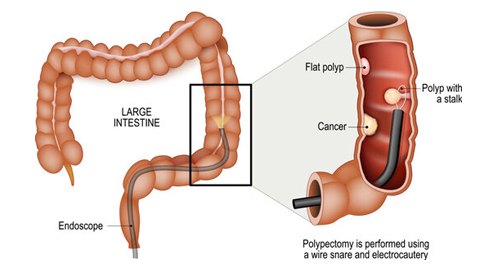

Bowel Polyps – Overview
Bowel polyps are abnormal growths that develop in the lining of the colon or rectum. While most are harmless, some types can become cancerous over time. This makes early detection and removal critical in the prevention of colorectal cancer.
Many people with these polyps are unaware they have them, as symptoms are often absent. When present, signs may include rectal bleeding, changes in stool consistency or frequency, abdominal pain, or fatigue caused by anaemia. However, these symptoms are not exclusive to polyps and often overlap with other conditions.
There are different types, including:
- Hyperplastic polyps: generally harmless
- Adenomatous polyps (adenomas): precancerous with malignant potential
- Serrated polyps: may carry a cancer risk depending on their size and location
- Inflammatory: often associated with inflammatory bowel disease
Age is a key risk factor, especially for those over 50. Genetics, diet, lifestyle, and bowel inflammation can also contribute. In South Africa, public awareness is still growing, and many cases go undiagnosed due to limited access to routine colonoscopies—especially in rural areas.
Bowel Polyps
Despite this, outcomes are excellent when these are found early. Most can be removed during a standard colonoscopy, making prevention both simple and effective. Public education and improved access to screening remain crucial in reducing the burden of colorectal diseases.
👉 [Next: Causes and Risk Factors of Bowel Polyps]