
Bronchiolitis – Overview
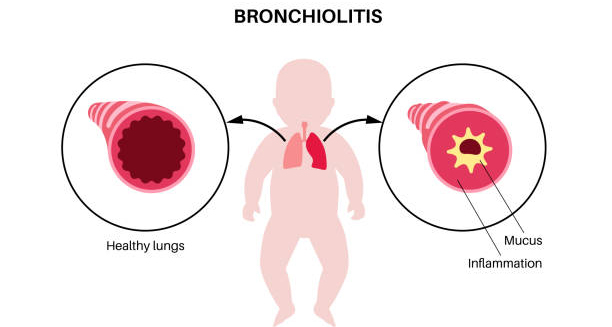
The condition bronchiolitis is a common viral lung infection that affects the small airways (bronchioles) in the lungs. Particularly in infants and young children. Bronchiolitis causes inflammation and swelling of these airways, leading to breathing difficulties, wheezing, and a persistent cough. It most often occurs during winter and early spring and is one of the leading causes of hospitalisation in babies under one year old.
The infection usually starts as a mild cold but can worsen over a few days as inflammation blocks the bronchioles. Making it hard for air to move in and out of the lungs. While most cases are mild and resolve on their own. Furthermore, some children — especially those born prematurely or with existing health conditions — may experience more severe symptoms and need medical attention.
The most common cause is the respiratory syncytial virus (RSV), although other viruses such as influenza, adenovirus, and rhinovirus can also trigger this condition. Adults can catch RSV too, but the symptoms are generally milder, similar to a cold.
Bronchiolitis
There is no specific cure for bronchiolitis, and antibiotics are not effective since it is caused by viruses. Treatment focuses on symptom relief, ensuring the child stays hydrated, and monitoring breathing. In severe cases, hospital care with oxygen or intravenous fluids may be needed.
Most children recover from bronchiolitis within one to two weeks, though a cough may linger for longer. Parents and caregivers should watch for signs of worsening breathing and seek medical help if needed.
[Next: Causes of Bronchiolitis →]