Mental Matters

Brugada Syndrome

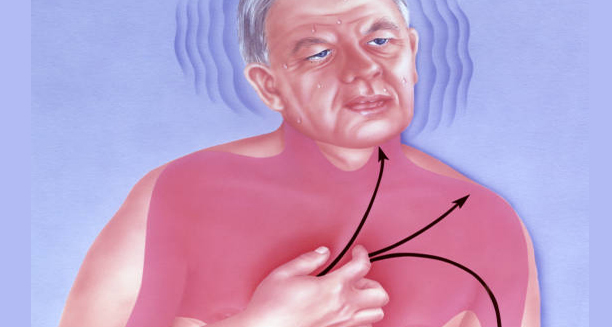
Illustration of a man clutching his chest with directional arrows indicating heart signal disturbance

Brugada Syndrome

Brugada Syndrome – Overview Brugada syndrome is a rare but serious genetic heart condition that affects the way electrical signals pass through the heart. This syndrome can cause abnormal heart rhythms (arrhythmias), which may lead to fainting, seizures, or sudden cardiac death — particularly in young adults and otherwise healthy individuals. This condition often goes unnoticed because people may not show any symptoms until a significant event occurs. In many cases, it’s only diagnosed after an abnormal electrocardiogram (ECG) or following an unexplained fainting episode or cardiac arrest. The condition is more common in men and often appears between the ages of 30 and 40. This syndrome affects the sodium channels in the heart, which play a key role in the electrical system that controls heartbeat. When these channels don’t function properly, it can disrupt the heart’s rhythm and cause it to beat dangerously fast or irregularly, particularly during rest or sleep. Brugada Syndrome Because this syndrome can result in sudden death without prior warning, early detection is critical. Diagnosis is based on a characteristic ECG pattern and sometimes confirmed by genetic testing. Once identified, treatment options include medication, lifestyle changes, and in high-risk cases, the placement of an implantable cardioverter-defibrillator (ICD). While there is currently no cure, people with Brugada syndrome can lead full lives with appropriate monitoring and medical care. [Next: Causes of Brugada Syndrome →]

Brugada Syndrome Read More »

Causes of Brugada Syndrome

Causes of Brugada Syndrome

Causes of Brugada Syndrome Causes of Brugada syndrome are primarily genetic, with most cases linked to inherited mutations that affect the heart’s electrical system. The leading causes of Brugada syndrome involve abnormalities in sodium channel function, although environmental and medication-related factors can also trigger symptoms in genetically predisposed individuals. The most common cause is a mutation in the SCN5A gene, which affects the sodium channels in heart muscle cells. These channels regulate the flow of sodium ions, which are essential for generating and conducting electrical impulses across the heart. A defect in these channels can disrupt normal heart rhythm and lead to dangerous arrhythmias. Brugada syndrome follows an autosomal dominant inheritance pattern, meaning a person only needs to inherit one copy of the defective gene from either parent to develop the condition. However, not everyone with the mutation shows symptoms, which makes family screening and awareness especially important. External triggers can also play a role. Certain medications — such as some antiarrhythmics, antidepressants, or anaesthetics — may worsen or reveal Brugada-type ECG changes. Fever is another known trigger, particularly in children, as increased body temperature can unmask underlying electrical abnormalities in the heart. Causes of Brugada syndrome Substance abuse, especially of alcohol or recreational drugs like cocaine, can also provoke arrhythmias in people with latent Brugada syndrome. High levels of stress or dehydration may increase risk as well. In rare cases, structural heart disease or other ion channelopathies can mimic Brugada syndrome, which makes thorough diagnostic evaluation essential. Understanding the causes of Brugada syndrome helps guide treatment and lifestyle adjustments. Patients are often advised to avoid certain medications, promptly manage fevers, and undergo regular heart monitoring — especially if they have a family history of sudden cardiac death. [Next: Symptoms of Brugada Syndrome →]

Causes of Brugada Syndrome Read More »

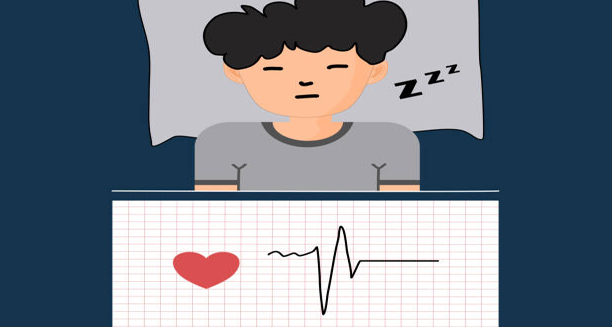
Illustration of a sleeping person with a heart rate monitor showing an abnormal ECG pattern

Symptoms of Brugada Syndrome

Symptoms of Brugada Syndrome Symptoms of Brugada Syndrome can range from subtle to life-threatening. The most common symptoms of Brugada syndrome include fainting (syncope), irregular heartbeats, nighttime seizures, and in severe cases, sudden cardiac arrest. Unfortunately, many individuals remain asymptomatic until a serious event occurs. Fainting is often the first noticeable symptom and may happen during rest or sleep. This occurs when the heart goes into an abnormal rhythm and cannot pump enough blood to the brain. The episodes are sudden, may be brief, and are sometimes mistaken for seizures due to limb jerking or unconsciousness. Irregular heartbeats (arrhythmias), especially ventricular fibrillation or polymorphic ventricular tachycardia, are common in Brugada syndrome. These rhythms are fast and chaotic, leading to reduced blood flow and oxygen delivery throughout the body. If not corrected immediately, they can result in death. Nocturnal symptoms are particularly important. Brugada syndrome arrhythmias often occur during rest or sleep, making sudden unexplained deaths during the night a key red flag — especially in young, otherwise healthy adults. Symptoms of Brugada Syndrome Seizure-like episodes at night may also occur. These are not true epileptic seizures but result from reduced blood flow to the brain during arrhythmic episodes. Palpitations, dizziness, and shortness of breath may occur in some people, but these symptoms are non-specific and can be easily overlooked or attributed to other causes. Some individuals with Brugada syndrome remain completely asymptomatic, only discovering the condition through family screening or after an abnormal ECG done for unrelated reasons. It’s crucial to recognise symptoms of Brugada syndrome, especially in people with a family history of unexplained fainting or sudden cardiac death. Even a single fainting episode in these individuals warrants urgent cardiac evaluation. [Next: Diagnosis of Brugada Syndrome →]

Symptoms of Brugada Syndrome Read More »

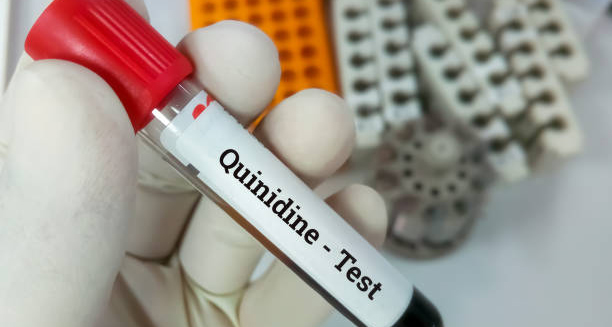
Gloved hand holding a blood sample tube labelled Quinidine Test

Diagnosis of Brugada Syndrome

Diagnosis of Brugada Syndrome Diagnosis of Brugada syndrome is primarily based on an electrocardiogram (ECG). Furthermore, showing a distinct pattern known as a “type 1 Brugada pattern.” A confirmed diagnosis also takes into account family history, symptoms, and sometimes genetic testing. The classic Brugada ECG pattern shows an elevated ST segment in the right chest leads (V1–V3). Often described as a “coved” shape. This pattern may not always be visible on a routine ECG. So specialised testing — such as a sodium channel blocker challenge — may be used to provoke the characteristic changes. Doctors may also use Holter monitoring or exercise stress testing to monitor the heart’s rhythm over 24–48 hours. Especially if symptoms are infrequent or occur at night. An implantable loop recorder may be recommended in more complex cases to capture abnormal rhythms over weeks or months. If a patient has a family history of Brugada syndrome or sudden cardiac death, screening of close relatives with ECGs and possibly genetic testing is important. Genetic testing can identify mutations in the SCN5A gene or other related genes, although not all cases have a detectable mutation. Therefore, a normal genetic test does not rule out the condition. Diagnosis of Brugada Syndrome In some cases, an electrophysiology (EP) study may be performed to assess the heart’s susceptibility to dangerous arrhythmias. This test involves placing catheters into the heart to provoke abnormal rhythms under controlled conditions. Diagnosis must also rule out other conditions that mimic Brugada syndrome, such as pericarditis, early repolarisation, or certain electrolyte imbalances. An accurate diagnosis of Brugada syndrome enables timely management and can be lifesaving. It informs risk assessment and guides treatment decisions such as ICD placement or lifestyle modifications. [Next: Treatment of Brugada Syndrome →]

Diagnosis of Brugada Syndrome Read More »

Hands holding a red heart-shaped object symbolising cardiac care

Treatment of Brugada Syndrome

Treatment of Brugada Syndrome Treatment of Brugada syndrome aims to prevent sudden cardiac death by controlling arrhythmias and reducing triggers. The main approaches in treatment of Brugada syndrome include lifestyle modifications, medication, and, in high-risk cases, an implantable cardioverter-defibrillator (ICD). The first line of defence is identifying and avoiding known triggers. PDoctors advise patients to avoid specific medications that can worsen Brugada ECG patterns. This includes some antiarrhythmics, tricyclic antidepressants, antihistamines, and anaesthetics. Patients should review a complete list of risky medications with their cardiologist. Fever management is crucial. Fever can unmask or exacerbate ECG changes and trigger dangerous arrhythmias. Doctors recommend giving antipyretics like paracetamol at the first sign of fever, especially for children with known Brugada syndrome. Doctors often recommend an ICD for high-risk patients, such as those with a history of cardiac arrest, fainting, or a spontaneous type 1 ECG pattern. This small device continuously monitors the heart’s rhythm and delivers a shock if it detects a life-threatening arrhythmia. It does not prevent arrhythmias from occurring but effectively treats them when they do. Doctors may use quinidine, an antiarrhythmic drug, in some cases to reduce arrhythmia episodes. Doctors often consider quinidine for patients who cannot get an ICD or who experience frequent shocks from their device. Lifestyle changes include avoiding excessive alcohol, staying well hydrated, managing stress, and ensuring good sleep. These steps help lower the chances of triggering dangerous arrhythmias. Treatment of Brugada Syndrome For asymptomatic patients with a Brugada ECG pattern but no history of fainting or family history of sudden death, careful monitoring may be sufficient. These individuals are generally not given ICDs unless their risk profile changes. Regular follow-ups with a cardiologist, possibly a specialist in inherited cardiac conditions, are essential. Treatment plans should be updated based on new symptoms, family screening results, or evolving risk factors. Successful treatment of Brugada syndrome focuses on prevention, education, and readiness — giving patients the tools to manage their condition and reduce life-threatening risk. [Next: Complications and Recovery from Brugada Syndrome →]

Treatment of Brugada Syndrome Read More »

Woman clutching chest in pain while sitting on a couch

Complications and Recovery from Brugada Syndrome

Complications and Recovery from Brugada Syndrome Complications and recovery from Brugada syndrome depend on the severity of the condition, how early it is diagnosed, and how effectively it is managed. The most serious complications of Brugada syndrome include sudden cardiac arrest, persistent arrhythmias, and psychosocial effects from living with a high-risk heart condition. The greatest concern is sudden cardiac death, often during rest or sleep. This can occur without warning, particularly in people who haven’t been diagnosed or treated. Fortunately, in those with ICDs, life-threatening arrhythmias can be successfully interrupted, preventing death. Another complication is psychological distress. People living with Brugada syndrome may experience anxiety about their heart health, especially if they’ve had an ICD shock or know others in their family who’ve died from the condition. Counselling or support groups can help address these concerns and improve quality of life. ICDs themselves can cause complications. These include inappropriate shocks (when the device fires unnecessarily), infection at the implantation site, and lead dislodgement. Despite these risks, the benefits of ICDs often outweigh the drawbacks in high-risk individuals. Medication side effects — particularly from quinidine — can include gastrointestinal issues, dizziness, or heart rhythm disturbances, so regular monitoring is required. Complications and recovery from Brugada Syndrome Recovery and long-term outlook vary. Many people with Brugada syndrome remain asymptomatic throughout life and never experience a cardiac event. Others, especially those with previous symptoms or a family history of sudden death, may require lifelong follow-up and ongoing treatment. Children with the condition require special care, including fever management and monitoring during illnesses, since their risk is often related to elevated body temperatures. Key to managing complications and recovery from Brugada syndrome is early detection, avoiding known triggers, and maintaining routine cardiac follow-up. With proper care, most individuals can live healthy, fulfilling lives with minimal disruption. Back to Overview

Complications and Recovery from Brugada Syndrome Read More »

Scroll to Top