Mental Matters

Health Conditions

Find information on various health conditions affecting people of all ages. This category covers causes, symptoms, diagnosis, and management options for physical illnesses and chronic diseases. Get insights to help you understand different health challenges and make informed decisions about your wellbeing.

Wooden mannequin hand holding a pink label reading "Premenopause" on a green background

Early Menopause

Early Menopause Early menopause refers to the onset of this conditionbefore the age of 45. In some women, it may occur as early as their 30s or even late 20s. While naturally it typically happens between the ages of 45 and 55, early menopause brings this transition forward, often causing unexpected physical and emotional challenges. Menopause marks the end of a woman’s reproductive years. It occurs when the ovaries stop producing oestrogen and progesterone, leading to the permanent cessation of menstruation. Early menopause means this hormonal decline begins much earlier than expected, often catching women off guard during what should be their peak years of fertility, energy, and career development. The causes vary—some women experience early meno due to genetics, medical treatments, or autoimmune diseases. For others, it may be idiopathic, meaning no clear cause can be found. Regardless of the reason, the impact is significant. Hot flushes, mood swings, fatigue, and fertility loss can be overwhelming, particularly when they occur at an age where most peers are not yet dealing with these issues. Early Menopause In South Africa, early menopause is underdiagnosed in many communities, partly due to limited access to specialist gynaecological care. Cultural perceptions may also lead women to ignore or misinterpret symptoms, attributing them to stress or lifestyle changes rather than hormonal decline. Women experiencing early meno may also face unique emotional challenges. The sudden loss of fertility can affect self-image, relationships, and long-term plans for having children. The physical symptoms may also interfere with daily life and work. Understanding early menopause empowers women to seek timely help, manage symptoms effectively, and take proactive steps to protect their health—especially their bones, heart, and emotional well-being. [Next: Causes of Early Menopause →]

Early Menopause Read More »

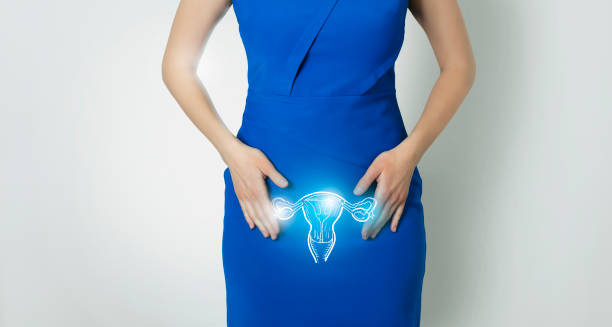
Woman in a blue dress highlighting her lower abdomen with a digital illustration of the uterus glowing

Causes of Early Menopause

Causes of Early Menopause The causes of early menopause are wide-ranging. Some are genetic, while others are related to medical treatments, surgeries, or underlying health conditions. In some cases, no clear cause is found, making the experience even more confusing for affected women. Understanding these causes can help guide diagnosis, management, and future planning. One major cause is primary ovarian insufficiency (POI). This condition occurs when the ovaries stop working properly before age 40. The ovaries may stop releasing eggs and producing hormones long before menopause would normally begin. POI can happen for unknown reasons or may be linked to autoimmune disorders, where the immune system attacks the ovarian tissue. Genetics also plays a role. Women with a family history of early menopause are more likely to experience it themselves. Certain chromosomal abnormalities, such as Turner syndrome or fragile X syndrome, are also known contributors. Genetic testing may be considered if early menopause runs in the family. Medical treatments are another major factor. Chemotherapy and radiotherapy, particularly when directed at the pelvic area, can damage ovarian tissue. Women undergoing cancer treatment at a young age often face early menopause as a side effect. Some may choose to freeze eggs before treatment to preserve fertility. Oophorectomy Surgical removal of the ovaries (oophorectomy) causes immediate menopause, regardless of age. This is often done for conditions such as ovarian cysts, endometriosis, or cancer. Even hysterectomy (removal of the uterus) can lead to earlier menopause, especially if blood supply to the ovaries is disrupted during surgery. Autoimmune diseases like lupus or rheumatoid arthritis may also trigger early menopause. These conditions can cause inflammation or damage to the ovaries. Infections like mumps or tuberculosis, although rare, have also been linked to early ovarian failure. Environmental factors and lifestyle may contribute as well. Smoking is a known risk factor—it damages the ovaries and reduces oestrogen production. Poor nutrition, extreme stress, and exposure to certain chemicals (like endocrine disruptors found in plastics and pesticides) may also increase risk. Causes of Early Menopause In South Africa, women in rural or underserved areas may not be aware of the link between lifestyle, illness, and reproductive health. As a result, early menopause may go unrecognised or untreated, especially when symptoms like fatigue, irregular periods, or mood changes are misattributed to other causes. Identifying the causes of early menopause is important not only for managing current symptoms but also for addressing long-term health risks. Low hormone levels can affect bone density, heart health, and mental well-being—making early detection and appropriate support crucial. [Next: Symptoms of Early Menopause →]

Causes of Early Menopause Read More »

Distressed young woman sitting on the floor with her hands on her head in a bedroom

Symptoms of Early Menopause

Symptoms of Early Menopause The symptoms of early menopause are similar to those experienced during typical menopause but begin much earlier in life. These symptoms can be physically exhausting and emotionally unsettling—especially for women who are not expecting hormonal changes in their 20s, 30s, or early 40s. Understanding the signs helps with early diagnosis and effective management. One of the earliest and most common symptoms of early menopause is a change in menstrual cycle. Periods may become lighter, heavier, less frequent, or stop altogether. Irregular menstruation over several months is often the first indication that hormone levels are shifting. Hot flushes and night sweats are also hallmark signs. These sudden feelings of heat, often accompanied by sweating and a flushed face, can interrupt sleep and affect concentration. Some women experience several hot flushes a day, which can lead to fatigue and irritability. Mood changes are common as well. Women may feel anxious, tearful, or unusually irritable. These emotional shifts are not just reactions to early menopause—they are driven by fluctuating oestrogen levels affecting brain chemistry. Other symptoms include: Vaginal dryness and discomfort during sex Decreased libido Difficulty sleeping Memory lapses or “brain fog” Weight gain, particularly around the waist Hair thinning or skin dryness Headaches and joint pain One of the more distressing aspects of early menopause is the impact on fertility. For women who still want children, discovering that their ovaries are no longer functioning can be devastating. This often leads to feelings of grief, especially if they had not yet started or completed their families. Symptoms of Early Menopause In South Africa, many women do not initially connect these symptoms to menopause—especially younger women. They may think they are suffering from chronic stress, thyroid issues, or vitamin deficiencies. Without access to a gynaecologist or hormone testing, the true cause may go undiagnosed for years. Psychological effects can be significant. Younger women may feel alienated from peers who are still menstruating or falling pregnant. Others may struggle with a sense of ageing “before their time”, which can affect self-esteem and body image. Recognising the symptoms of early menopause is the first step towards reclaiming health and control. With the right diagnosis and support, many of these symptoms can be managed, and quality of life restored. [Next: Diagnosis of Early Menopause →]

Symptoms of Early Menopause Read More »

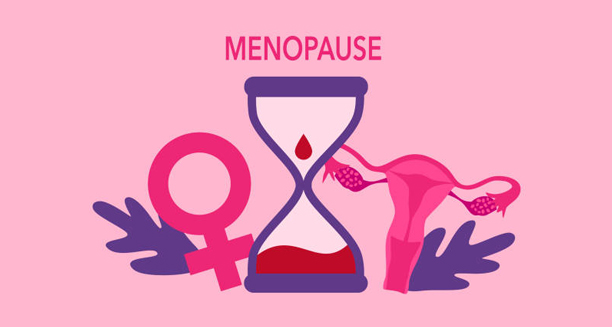
Illustrated hourglass with uterus and female symbol representing menopause

Diagnosis of Early Menopause

Diagnosis of Early Menopause The diagnosis of early menopause is based on symptoms, age, and hormone levels. Since early menopause can mimic other health issues, accurate diagnosis is important to avoid mismanagement or emotional distress. Many women go months or even years without understanding the true cause of their symptoms. Doctors begin with a full medical history and physical examination. They ask about menstrual patterns, family history of menopause, use of medication, previous surgeries, and symptoms like hot flushes, mood swings, or fatigue. A detailed account of menstrual irregularity is especially important. If periods have stopped or become erratic for several months before age 45, early menopause is suspected. The next step is hormone testing. Blood tests are taken on specific days of the menstrual cycle—or at random if periods have stopped—to measure levels of: Follicle-stimulating hormone (FSH): Elevated levels suggest ovarian failure. Oestrogen: Low levels support a menopause diagnosis. Luteinising hormone (LH): Often increased during menopause. Anti-Müllerian hormone (AMH): Assesses ovarian reserve, useful for fertility evaluation. Doctors may also check thyroid function and prolactin levels to rule out other hormonal causes of irregular periods. In cases of suspected early menopause, additional tests may include: Pelvic ultrasound: To check the size and activity of ovaries. Bone density scan (DEXA): As oestrogen protects bones, women in menopause are at increased risk of osteoporosis. Genetic testing: If early menopause occurs before age 35 or there’s a strong family history, testing for chromosomal abnormalities may be advised. Diagnosis of Early Menopause In South Africa, public healthcare access to hormone testing and bone scans is often limited. Many women in rural areas are diagnosed based on symptoms alone, which can lead to underdiagnosis or incorrect treatment. Access to gynaecologists is better in urban hospitals, but many women cannot afford private care. Mental health evaluation may also be part of the diagnostic process. Women dealing with early menopause often experience anxiety, sadness, or grief related to fertility loss, ageing, and social isolation. An accurate diagnosis of early menopause ensures appropriate treatment and counselling. It also helps identify health risks that may arise from long-term oestrogen deficiency, such as heart disease or bone thinning. Early diagnosis empowers women to protect their health and understand the changes their bodies are going through. [Next: Treatment of Early Menopause →]

Diagnosis of Early Menopause Read More »

Doctor selecting HRT for treatment of early menopause

Treatment of Early Menopause

Treatment of Early Menopause The treatment of early menopause focuses on managing symptoms, reducing long-term health risks, and providing emotional support. Since early menopause results in many years without oestrogen, hormone replacement therapy (HRT) is often recommended unless there are medical reasons to avoid it. HRT replaces the hormones no longer produced by the ovaries. It typically includes oestrogen and progesterone, either in tablets, patches, gels, or vaginal creams. HRT helps control hot flushes, night sweats, vaginal dryness, mood changes, and protects against bone loss. Women who’ve had a hysterectomy may need oestrogen-only HRT. When started early and continued until the average menopausal age (around 51), HRT offers many benefits with low risk. It can also improve heart health and cognitive function. Women who cannot take hormones—for example, due to a history of breast cancer—may be offered non-hormonal medications or lifestyle-based symptom management. Calcium and vitamin D supplements, along with regular weight-bearing exercise, are recommended to prevent osteoporosis. Bone density scans help track progress and determine whether additional treatment is needed. For vaginal symptoms, local oestrogen treatments such as creams or pessaries can relieve dryness and discomfort without affecting the whole body. Lubricants and moisturisers are also useful during sex. Emotional support is essential. Counselling or support groups can help women cope with the psychological impact of early menopause. This includes grieving the loss of fertility, adjusting to body changes, and navigating relationships and intimacy. Many women benefit from connecting with others going through similar experiences. Fertility preservation is another area of concern. Some women choose to freeze their eggs before undergoing treatments that may lead to early menopause (such as chemotherapy). Others may consider donor eggs or adoption in future family planning. Treatment of Early Menopause In South Africa, HRT is available through public health systems but may be limited to larger hospitals. Awareness and availability of bone scans, fertility preservation, and counselling are uneven. Many women rely on primary clinics, where early menopause may be misunderstood or overlooked altogether. Women going through early menopause should also focus on long-term health. Regular check-ups, heart screenings, and mammograms are important. Quitting smoking, eating a balanced diet, and staying physically active help reduce the risk of complications. The treatment of early menopause is not just about symptom relief—it’s about improving quality of life and protecting future health. With the right medical care and emotional support, women can thrive, even when menopause arrives earlier than expected. [Next: Complications of Early Menopause →]

Treatment of Early Menopause Read More »

Woman sitting on the floor experiencing emotional distress due to early menopause

Complications of Early Menopause

Complications of Early Menopause The complications of early menopause can be far-reaching, affecting physical, emotional, and reproductive health. While menopause is a natural phase, going through it early—often before 40 or 45—means a longer period of low oestrogen, which increases the risk of several serious health conditions. Recognising these risks helps women take steps to manage them. One of the most significant complications of early menopause is infertility. When the ovaries stop producing eggs prematurely, natural conception becomes unlikely or impossible. For women who haven’t had children or were planning more, this loss can be deeply distressing and may lead to depression or anxiety. Bone loss is another major concern. Oestrogen plays a vital role in maintaining bone density. Women who enter menopause early are at increased risk of developing osteopenia or osteoporosis, leading to fragile bones and a higher likelihood of fractures later in life. Without preventive measures, this can result in serious disability. Cardiovascular disease is also more common. Oestrogen helps protect the heart by maintaining healthy cholesterol levels and supporting blood vessel function. Early menopause increases the risk of high blood pressure, heart attack, and stroke, especially in women who smoke or have other health conditions. Mental health complications are frequent. The hormonal shift, combined with the emotional toll of early ageing and fertility loss, can lead to mood swings, depression, irritability, or even panic attacks. These issues are often overlooked or dismissed, particularly in young women, who may not receive the psychological support they need. Sexual dysfunction is another concern. Vaginal dryness, reduced libido, and painful intercourse can affect intimacy and self-confidence. These symptoms, if ignored, may cause strain in relationships and reduced sexual well-being. Long-term cognitive risks have also been linked to early menopause. Some studies suggest an increased risk of dementia or memory issues, particularly if hormone levels drop too early and are not treated. This area is still being studied, but it underscores the importance of early intervention. Complications of Early Menopause In South Africa, access to preventative care like bone scans, cardiac screening, and psychological support varies greatly between urban and rural areas. Many women with early menopause receive limited education about these risks and may not be followed up regularly. Raising awareness among healthcare providers is essential to reduce long-term complications. Women who have undergone cancer treatment or surgery that triggered early menopause may face even more severe challenges. These include sudden onset of symptoms, loss of fertility, and increased emotional stress, often without adequate counselling. Addressing the complications of early menopause requires a comprehensive approach. Lifestyle changes, medication, emotional support, and regular health monitoring can help women live full, healthy lives despite an early transition. Awareness, early diagnosis, and personalised care are the keys to protecting long-term well-being. [Next: Back to Overview →]

Complications of Early Menopause Read More »

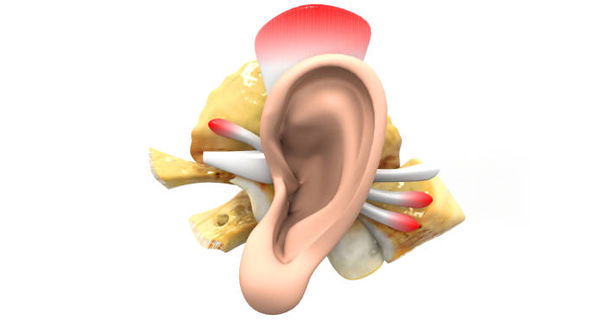
3D anatomical model illustrating a burst eardrum and inner ear structures

Eardrum Burst

Eardrum Burst An eardrum burst, also known as a perforated eardrum or tympanic membrane rupture, is a hole or tear in the thin tissue separating the outer ear from the middle ear. An eardrum burst can cause pain, hearing loss, and fluid discharge from the ear. While many cases heal on their own, some may require medical treatment or even surgery. The eardrum plays a vital role in hearing and protecting the middle ear from infections and foreign objects. When the membrane is torn, it can disrupt sound transmission and make the middle ear more vulnerable to bacteria or water entering. Common causes of a burst include ear infections, sudden changes in pressure (barotrauma), direct injury (like inserting objects into the ear), or loud blasts and explosions. Children and adults alike can be affected, though kids are more prone due to frequent middle ear infections. Eardrum Burst In South Africa, many eardrum injuries go unnoticed or untreated, particularly in rural areas. Lack of awareness, delayed treatment of ear infections, and unsafe ear-cleaning practices contribute significantly to eardrum damage. Early recognition and proper care are essential to prevent long-term hearing loss. Symptoms can be alarming but are often manageable. While pain may be intense at the moment of rupture, it often subsides quickly after the pressure is released. Fluid or blood may drain from the ear, and hearing in the affected ear may become muffled or distorted. Understanding what an eardrum burst is and how it happens allows people to act quickly, avoid further injury, and seek appropriate treatment to promote healing and restore function. [Next: Causes of Eardrum Burst →]

Eardrum Burst Read More »

Illustration showing loud noise as a potential cause of eardrum burst

Causes of Eardrum Burst

Causes of Eardrum Burst The causes of eardrum burst are varied, but most involve trauma or infection that places too much pressure on the delicate tympanic membrane. Whether sudden or gradual, damage to the eardrum disrupts its ability to vibrate and conduct sound, leading to hearing loss and increased risk of infection. One of the most common causes of eardrum burst is middle ear infection (otitis media). When fluid and pus build up behind the eardrum, the increasing pressure can cause the membrane to tear. This often results in sudden relief of ear pain, followed by fluid drainage. Another frequent cause is barotrauma—pressure-related injury. Activities like flying, scuba diving, or rapid altitude change can affect the pressure inside the ear. If pressure isn’t equalised through yawning or swallowing, it can stretch the eardrum beyond its limit. Forceful nose blowing or using blocked nasal sprays incorrectly can also trigger this problem. Direct trauma is another major factor. Sticking objects into the ear—such as cotton buds, hairpins, or fingernails—can puncture the eardrum. Children are especially at risk due to curiosity and improper ear-cleaning habits. Sudden loud noises, including fireworks, gunfire, or explosions, may cause acoustic trauma. These pressure waves can rupture the eardrum instantly. This is sometimes seen in industrial or conflict zones, and in South Africa, fireworks-related injuries are common during holidays or festivals. Head injuries that cause a skull fracture or impact the ear canal can also result in a perforated eardrum. In rare cases, tumours or surgical complications during ear procedures might cause similar damage. Certain chronic skin conditions—like eczema or infections in the outer ear—may weaken the eardrum over time, making it more vulnerable to rupture even from mild trauma or pressure changes. Causes of Eardrum Burst In South African clinics, patients may not always report the true cause of injury, especially if related to domestic violence or accidents. This can delay diagnosis and treatment. Public education about safe ear care and seeking medical help for infections can reduce the incidence of perforated eardrums in local communities. Understanding the causes of eardrum burst can help people take preventive steps. Avoiding ear trauma, treating infections promptly, and using proper technique during air travel or diving can significantly reduce the risk. [Next: Symptoms of Eardrum Burst →]

Causes of Eardrum Burst Read More »

Woman experiencing ear discomfort on an aeroplane, showing symptoms of a burst eardrum

Symptoms of Eardrum Burst

Symptoms of Eardrum Burst The symptoms of eardrum burst can appear suddenly and range in severity depending on the size and location of the tear. While some people experience sharp pain followed by relief, others may not notice a rupture until hearing loss or discharge becomes apparent. Recognising these symptoms early is crucial for avoiding further damage and infection. A sudden, sharp ear pain is often the first sign of a perforation. This pain may resolve quickly once the eardrum tears, as the pressure inside the middle ear is released. However, discomfort may persist if the surrounding tissue remains inflamed or infected. One of the most common symptoms of eardrum burst is fluid drainage from the ear. This may include: Clear, pus-like, or bloody fluid A foul smell, especially if infection is present Continuous or intermittent leakage Hearing loss in the affected ear is also common. This may range from mild to moderate, depending on the size of the perforation. People often describe it as muffled or echoing sound, making it difficult to follow conversations, especially in noisy environments. Other symptoms include: A sensation of fullness or pressure in the ear Tinnitus (ringing or buzzing sounds) Dizziness or vertigo, especially if the inner ear is involved Nausea (in rare cases, due to balance disruption) In children, signs of a burst eardrum may include crying, pulling at the ear, restlessness at night, or refusing to eat. If discharge is visible on a pillow or clothing, it’s a clear sign that the eardrum may have ruptured. In South Africa, children are frequently seen with ear discharge, often dismissed as “just an infection.” Without proper examination, a burst eardrum can go unnoticed. Left untreated, it may lead to chronic drainage, long-term hearing issues, or secondary infections such as mastoiditis. Adults working in noisy environments may mistake symptoms for general hearing fatigue. Sudden tinnitus or muffled sound should not be ignored—especially if preceded by loud noise exposure or ear pain. Symptoms of Eardrum Burst The presence of symptoms of eardrum burst does not always mean permanent damage. Many small tears heal on their own within a few weeks. However, persistent symptoms, worsening pain, or ongoing discharge require medical attention. Prompt recognition allows for early treatment, reducing the risk of complications and supporting the natural healing process. Ear protection, proper hygiene, and avoiding self-cleaning with objects can prevent repeat injury. [Next: Diagnosis of Eardrum Burst →]

Symptoms of Eardrum Burst Read More »

Doctor examining a young girl’s ear for signs of a burst eardrum

Diagnosis of Eardrum Burst

Diagnosis of Eardrum Burst The diagnosis of eardrum burst is usually based on symptoms and confirmed with a visual examination of the ear. A healthcare provider, typically a general practitioner or ENT specialist, uses an otoscope. A lighted instrument with magnification—to inspect the ear canal and eardrum. If an eardrum burst has occurred. The doctor may see a tear or hole in the tympanic membrane, or signs of fluid or blood in the canal. In many cases, the diagnosis is straightforward, especially when symptoms like ear pain, fluid drainage, and hearing loss are present. However, if the eardrum has already started healing or if the ear canal is blocked with wax or discharge. Visualisation may be more difficult. The canal may need to be gently cleaned before an accurate diagnosis can be made. Hearing tests are often part of the diagnostic process. An audiogram can assess the degree of hearing loss and help determine if the issue is confined to the middle ear. Tympanometry, a test that measures eardrum movement, may also be used. In cases of eardrum burst, the eardrum may show little or no movement due to the rupture. If the cause of the rupture is uncertain—such as potential trauma or barotrauma—additional questions may be asked about recent air travel, diving, use of cotton buds, or ear infections. In children, parents or caregivers may be asked to describe behavioural signs such as tugging at the ear, crying, or noticing fluid on the pillow. In South Africa, the diagnosis of eardrum burst can be complicated in public health settings due to limited access to otoscopes or trained staff, particularly in rural clinics. As a result, many cases are treated symptomatically without a confirmed diagnosis. This can delay appropriate management, especially in children with recurrent infections or hearing loss. Diagnosis of Eardrum Burst In more complex or persistent cases, an ENT referral may be necessary. If the eardrum does not heal after several weeks, imaging tests such as a CT scan might be used to evaluate the middle ear structures, especially if cholesteatoma or chronic otitis media is suspected. Accurate diagnosis of eardrum burst allows for proper monitoring and care. While most perforations heal naturally, untreated or misdiagnosed cases can lead to repeated infections or permanent hearing loss. Early detection ensures better outcomes and helps guide necessary lifestyle changes or follow-up care. [Next: Treatment of Eardrum Burst →]

Diagnosis of Eardrum Burst Read More »

Scroll to Top