Mental Matters

Health Conditions

Find information on various health conditions affecting people of all ages. This category covers causes, symptoms, diagnosis, and management options for physical illnesses and chronic diseases. Get insights to help you understand different health challenges and make informed decisions about your wellbeing.

Frustrated woman scratching scalp while sitting on couch in front of laptop

Symptoms of Dandruff

Symptoms of Dandruff Symptoms of dandruff typically involve the scalp and, in more severe cases, may extend to areas such as the eyebrows, ears, and chest. Although not medically dangerous, dandruff can cause significant discomfort and social embarrassment, especially when symptoms are visible or persistent. Flaking of the Scalp The most recognisable symptom of dandruff is white or yellowish flakes of dead skin that fall from the scalp These flakes often settle on the shoulders, collar, or back of clothing, making the condition hard to conceal In mild cases, flakes are small and dry, while more severe forms may involve large, oily clumps Itching | Symptoms of Dandruff Persistent itchiness of the scalp is a common complaint Scratching may worsen irritation and can lead to open sores or infection if the skin is broken Scalp Irritation and Redness The scalp may appear red, inflamed, or sensitive to the touch This often results from excessive scratching or the body’s immune reaction to Malassezia yeast Greasy or Oily Scalp Many sufferers have a greasy scalp, especially when seborrhoeic dermatitis is involved The combination of oil and skin debris leads to thick scales that may stick to the hair Soreness or Burning Sensation In some cases, people report a mild burning or tingling sensation on the scalp This may indicate a more severe inflammatory reaction or contact dermatitis from hair care products Spread Beyond the Scalp In moderate to severe cases, dandruff-like scaling may appear in: Eyebrows Behind the ears Beard area in men Upper chest or back These signs are more consistent with seborrhoeic dermatitis and may require prescription treatment. Psychological Impact | Symptoms of Dandruff Many individuals feel self-conscious or anxious about the visible flakes This can lead to low self-esteem, social withdrawal, or reluctance to wear dark clothing In summary, symptoms of dandruff include visible flaking, itching, redness, and irritation of the scalp. While generally harmless, the condition can significantly affect comfort and confidence if not properly managed. [Next: Diagnosis of Dandruff →]


Symptoms of Dandruff Read More »

Dermatologist examining a patient's scalp for dandruff under a magnifying lamp

Diagnosis of Dandruff

Diagnosis of Dandruff Diagnosis of dandruff is typically straightforward and based on a visual examination of the scalp and symptoms reported by the patient. In most cases, dandruff can be identified without laboratory tests. However, when symptoms are severe, persistent, or resemble other skin disorders, further investigation may be necessary to confirm the diagnosis and rule out similar conditions. Clinical Evaluation A GP or dermatologist will usually begin with: Visual inspection of the scalp for white or yellowish flakes, redness, oiliness, and inflammation Patient history, including duration of symptoms, known allergies, use of hair products, and personal or family history of skin conditions Often, the diagnosis can be made confidently based on the presence of flaking and mild scalp irritation alone. Differential Diagnosis | Diagnosis of Dandruff Dandruff must be distinguished from other scalp conditions that present similarly: Seborrhoeic dermatitis: More severe, with greasy scales and redness beyond the scalp Psoriasis: Characterised by thick, silvery plaques and can involve other areas like elbows, knees, and nails Tinea capitis (scalp ringworm): A fungal infection often seen in children, which may cause hair loss or black dots on the scalp Eczema (atopic dermatitis): May also cause dry, flaky scalp in people with a history of allergies or sensitive skin Contact dermatitis: Caused by reaction to hair dyes or shampoos, usually appearing as redness and inflammation after product use Additional Tests (When Needed) In unusual or resistant cases, your doctor may perform: Skin scraping or biopsy to rule out fungal infections or psoriasis Fungal culture or KOH test to detect dermatophyte infections like tinea capitis Patch testing for contact allergies, especially when contact dermatitis is suspected These tests help clarify the diagnosis and guide more specific treatment. When to See a Specialist | Diagnosis of Dandruff Referral to a dermatologist is recommended if: Symptoms do not improve with over-the-counter shampoos The scalp shows signs of infection, such as weeping sores or crusting There is widespread skin involvement beyond the scalp In summary, diagnosis of dandruff is primarily clinical, with additional testing only required for severe or atypical cases. A correct diagnosis ensures that the underlying cause is properly treated and more serious conditions are not overlooked. [Next: Treatment of Dandruff →]

Diagnosis of Dandruff Read More »

Woman applying hair serum with dropper to treat dandruff

Treatment of Dandruff

Treatment of Dandruff Treatment of dandruff focuses on reducing flaking, soothing irritation, and preventing recurrences. Most people with dandruff respond well to over-the-counter treatments, but persistent or severe cases may require medicated shampoos or prescription therapy. A consistent hair care routine and avoidance of known triggers are crucial for long-term control. Medicated Shampoos The first line of treatment includes anti-dandruff shampoos containing active ingredients such as: Zinc pyrithione: Antifungal and antibacterial; effective against Malassezia Ketoconazole: Broad-spectrum antifungal; suitable for more stubborn cases Selenium sulphide: Slows skin cell turnover and reduces fungal activity Coal tar: Helps slow down the shedding of skin cells Salicylic acid: A scalp exfoliant that removes dead skin and reduces scale build-up You should leave shampoos on the scalp for 5–10 minutes before rinsing to allow the ingredients to work effectively. You should use most shampoos 2–3 times a week, alternating with a mild moisturising shampoo. Topical Treatments | Treatment of Dandruff For severe or resistant dandruff: Doctors may prescribe corticosteroid creams or lotions to reduce inflammation Antifungal creams for localised patches beyond the scalp Coal tar gels applied directly to affected areas In some cases, dermatologists may recommend custom compounding of active ingredients for more targeted treatment. Lifestyle and Hygiene Measures Regular hair washing with gentle, non-irritating shampoo Avoid harsh hair dyes or styling products with alcohol or strong fragrances Manage stress, which can worsen symptoms Keep the scalp hydrated, especially during colder months Natural Remedies | Treatment of Dandruff Some individuals find relief using: Tea tree oil, known for its antifungal properties (diluted before use) Aloe vera gel for its soothing and moisturising effects Apple cider vinegar rinses (though clinical evidence is limited) Care should be taken to test these remedies on a small patch of skin first to avoid irritation. In summary, treatment of dandruff involves a combination of medicated shampoos, topical therapies, and good scalp hygiene. With consistent care, most cases can be managed effectively and affordably at home. [Next: Complications and Recovery from Dandruff →]

Treatment of Dandruff Read More »

Woman noticing hair fall after brushing, linked to dandruff

Complications and Recovery from Dandruff

Complications and Recovery from Dandruff Complications and recovery from dandruff are generally mild, but neglecting to treat persistent symptoms can lead to discomfort and worsening scalp health. While dandruff itself is not dangerous, it may contribute to or signal other underlying skin conditions if left unaddressed. Common Complications Chronic itching and irritation Continuous scratching may cause microtears in the scalp, increasing the risk of secondary bacterial infections. This can lead to soreness, scabbing, and in severe cases, folliculitis (inflammation of the hair follicles). Emotional and Social Impact Dandruff can affect self-esteem, especially when flakes are visible on clothing or hair. Some individuals experience social anxiety, avoid dark clothing, or feel uncomfortable in professional settings. Hair Damage or Loss | Complications and Recovery from Dandruff Though dandruff doesn’t directly cause hair loss, constant scratching or inflammation can damage hair follicles. Oily build-up and scalp inflammation may also contribute to temporary shedding or thinning in some people. Seborrhoeic Dermatitis Untreated dandruff may progress into more severe seborrhoeic dermatitis. This condition involves wider skin involvement, more intense inflammation, and greasy, yellowish scales beyond the scalp. Recovery Timeline Mild cases of dandruff may resolve within 2–4 weeks using anti-dandruff shampoos and proper scalp care. More persistent cases, especially those linked to seborrhoeic dermatitis, require long-term management and occasional prescription treatments. Consistency is key—symptoms often recur when treatment is stopped too early or if the individual returns to using irritating products. Monitoring and Prevention Monitor for recurring symptoms and switch between different active ingredients in shampoos if resistance develops Incorporate weekly scalp exfoliation to remove dead skin and product build-up Stay hydrated, eat a balanced diet, and manage stress to support skin health When to Seek Medical Help | Complications and Recovery from Dandruff If dandruff persists despite over-the-counter treatment When there are signs of infection: pain, swelling, pus, or excessive redness If you notice sudden or patchy hair loss In conclusion, complications and recovery from dandruff are usually manageable with consistent scalp care and timely treatment. With the right routine, most people can prevent flare-ups and enjoy a healthy, flake-free scalp. [Next: Back to Overview →]

Complications and Recovery from Dandruff Read More »

3D illustration of cytomegalovirus (CMV) structure under microscope

Cytomegalovirus

Cytomegalovirus (CMV) – Overview Cytomegalovirus (CMV) is a common virus that belongs to the herpesvirus family. Most people are infected with cytomegalovirus (CMV) at some point in their lives. Often during childhood, but the majority remain asymptomatic and unaware. Once acquired, the virus remains dormant in the body for life. Additionally, it can reactivate under certain conditions, especially when the immune system is compromised. CMV spreads through bodily fluids such as saliva, urine, blood, breast milk, semen, and vaginal secretions. It can be transmitted through close contact, sexual activity, organ transplants, blood transfusions. Furthermore, from mother to baby during pregnancy, birth, or breastfeeding. While it is typically harmless in healthy individuals. It can cause serious illness in newborns, pregnant women, and people with weakened immune systems. Such as those undergoing chemotherapy, organ transplant recipients, or individuals living with HIV/AIDS. Cytomegalovirus (CMV) – Overview CMV infection can range from mild, flu-like symptoms to more severe complications such as hepatitis, pneumonia, retinitis, or gastrointestinal issues. In congenital cases, it can lead to long-term developmental disabilities, hearing loss, or vision problems in infants. Because the virus is so widespread, it’s essential to understand the risks and how it behaves in different populations. Good hygiene practices, careful monitoring during pregnancy, and antiviral treatments are crucial in reducing the impact of CMV in vulnerable individuals. In summary, cytomegalovirus (CMV) is a common and usually harmless virus, but it can have significant health implications for certain at-risk groups. Awareness, prevention, and timely management are key to reducing complications. [Next: Causes of Cytomegalovirus (CMV) →]

Cytomegalovirus Read More »

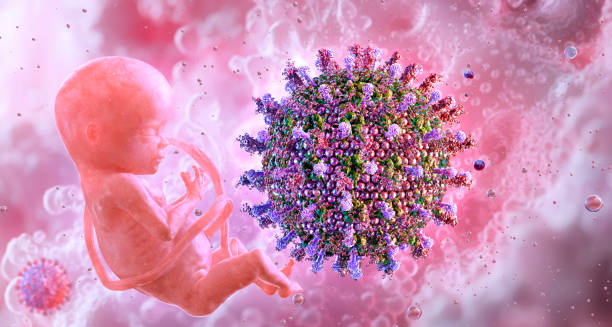
Cytomegalovirus affecting foetus in womb, 3D medical illustration

Causes of Cytomegalovirus

Causes of Cytomegalovirus (CMV) Causes of cytomegalovirus (CMV) infection are rooted in exposure to bodily fluids from an infected person. Cytomegalovirus (CMV) is contagious but not highly infectious; it generally requires close or prolonged contact to transmit. It spreads silently and often without symptoms, making it difficult to identify the source of infection. Routes of Transmission CMV is found in many bodily fluids, and transmission occurs through: Saliva: Common in young children who share toys or utensils Urine: Particularly among infants and toddlers in daycare settings Blood transfusions or organ transplants: From donors who carry the virus Sexual contact: Through semen or vaginal fluids Breast milk: Especially in premature babies Vertical transmission: From mother to baby during pregnancy, childbirth, or breastfeeding Congenital CMV, which occurs when a baby is infected in the womb, is a leading infectious cause of birth defects and developmental disabilities. Risk Factors Although most CMV infections are harmless, some individuals are at greater risk: Pregnant women: Primary infection during pregnancy can pass to the unborn baby Infants, particularly those born prematurely or with low birth weight Immunocompromised individuals: Such as organ transplant recipients or people with HIV/AIDS Healthcare and childcare workers: Due to frequent exposure to bodily fluids Reactivation of latent CMV can occur in people whose immune systems become weakened due to illness or medications. In these cases, the virus that has been dormant re-emerges and causes complications. Congenital Infection | Causes of Cytomegalovirus (CMV) Congenital CMV occurs when a mother is infected during pregnancy. This can result in: Miscarriage or stillbirth Developmental delays Vision or hearing loss Seizures and cerebral palsy Geographic and Demographic Factors CMV is found worldwide and is more common in lower-income populations or regions where hygiene and sanitation are limited. Seroprevalence (the rate of previous exposure) increases with age. In conclusion, causes of cytomegalovirus (CMV) infections are linked to exposure to infected bodily fluids and reactivation in immunosuppressed individuals. Understanding the routes and risks of transmission is essential for prevention and timely intervention. [Next: Symptoms of Cytomegalovirus (CMV) →]

Causes of Cytomegalovirus Read More »

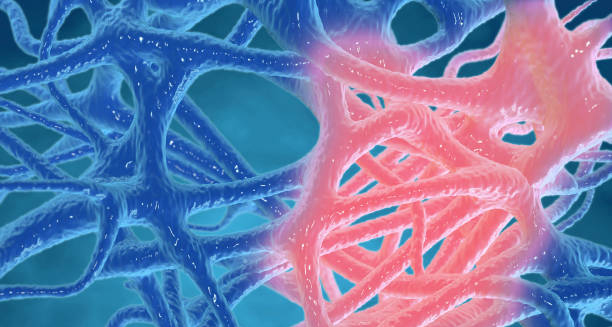
Abstract 3D rendering of nerve and cellular inflammation representing CMV symptoms

Symptoms of Cytomegalovirus

Symptoms of Cytomegalovirus (CMV) Symptoms of cytomegalovirus (CMV) vary widely depending on the age and immune status of the person infected. In healthy individuals, cytomegalovirus (CMV) is often asymptomatic or causes only mild, flu-like symptoms. However, in immunocompromised individuals or infants with congenital infection, CMV can lead to serious and sometimes life-threatening complications. Symptoms in Healthy Adults Most healthy adults who contract CMV for the first time may experience: Fatigue Fever Sore throat Swollen glands Muscle aches Headache These symptoms are often mistaken for glandular fever (mononucleosis) and usually resolve within a few weeks. Many people do not realise they’ve had CMV at all. Symptoms in Immunocompromised Individuals In people with weakened immune systems, symptoms can be severe and affect multiple organs: Lung inflammation (pneumonitis) Liver inflammation (hepatitis) Gastrointestinal ulcers Brain inflammation (encephalitis) Retinitis, which can lead to blindness These complications often require hospitalisation and antiviral therapy. Without prompt treatment, CMV disease can lead to organ failure or death. Congenital CMV Symptoms | Symptoms of Cytomegalovirus (CMV) Babies infected in the womb may be born with or develop symptoms later. These include: Low birth weight Jaundice Enlarged liver and spleen Microcephaly (small head) Seizures Feeding difficulties Hearing loss and vision impairment Developmental delays Some infants show no signs at birth but may develop hearing loss or cognitive issues months or years later. Chronic and Recurrent Symptoms In some people, particularly those with chronic illnesses, CMV may cause persistent low-grade symptoms such as fatigue or malaise. Reactivation may occur if the immune system weakens later in life. In summary, symptoms of cytomegalovirus (CMV) can range from negligible to life-threatening. Recognising the early signs, especially in high-risk groups, is crucial for early diagnosis and effective treatment. [Next: Diagnosis of Cytomegalovirus (CMV) →]

Symptoms of Cytomegalovirus Read More »

Gloved hand holding ELISA test plate for viral diagnostic screening

Diagnosis of Cytomegalovirus

Diagnosis of Cytomegalovirus (CMV) Diagnosis of cytomegalovirus (CMV) depends on the clinical context—whether the patient is a healthy adult, pregnant woman, immunocompromised individual, or a newborn. Since many cytomegalovirus (CMV) infections are asymptomatic or mimic other illnesses, laboratory testing is essential for confirmation. Accurate and timely diagnosis is particularly important in cases of congenital infection or severe illness in people with weakened immune systems. Serological Tests These blood tests detect antibodies produced in response to CMV: IgM antibodies: Indicate recent or current infection IgG antibodies: Indicate past exposure and immunity A rise in IgG levels over time suggests a recent infection. Serological testing is commonly used in pregnant women to determine whether CMV exposure occurred during pregnancy, which could affect the unborn child. Polymerase Chain Reaction (PCR) Detects CMV DNA in blood, urine, saliva, or cerebrospinal fluid Especially useful for monitoring viral load in immunocompromised individuals, such as transplant recipients or HIV patients Highly sensitive and can track the effectiveness of antiviral treatment Culture and Antigen Detection CMV cultures are sometimes grown from bodily fluids or tissue samples, although this method is slower and less commonly used today Antigen detection tests may identify viral proteins in white blood cells and are often used alongside PCR Congenital CMV Diagnosis | Diagnosis of Cytomegalovirus (CMV) If congenital CMV is suspected: Testing should be done within the first three weeks of life Saliva or urine samples are used for PCR testing Later testing may not differentiate between congenital and acquired postnatal infection Hearing tests and neuroimaging may also be recommended to assess the impact of infection on the baby’s development. Biopsy and Imaging In severe cases affecting organs: A biopsy of affected tissue (e.g. gut, liver, or retina) may reveal inclusion bodies characteristic of CMV CT scans or MRIs may be used to assess brain inflammation or other complications Screening Limitations Routine screening for CMV is not currently recommended for the general population. However, targeted screening is vital in: Pregnant women with suspected infection Organ or bone marrow transplant patients Infants with abnormal findings at birth In summary, diagnosis of cytomegalovirus (CMV) involves a combination of serological, molecular, and sometimes imaging techniques. Early and accurate diagnosis guides appropriate care, especially in high-risk patients or in preventing congenital complications. [Next: Treatment of Cytomegalovirus (CMV) →]

Diagnosis of Cytomegalovirus Read More »

Doctor handing a blister pack of antiviral tablets to a patient

Treatment of Cytomegalovirus

Treatment of Cytomegalovirus (CMV) Treatment of cytomegalovirus (CMV) varies depending on the patient’s health status and severity of the infection. In most healthy individuals, no specific treatment is required because cytomegalovirus (CMV) infections are typically self-limiting. However, antiviral therapy is essential for people with weakened immune systems, newborns with congenital CMV, and those experiencing organ-threatening complications. No Treatment Needed for Healthy Individuals Mild or asymptomatic CMV infections usually resolve without medical intervention Symptomatic relief may include rest, hydration, and over-the-counter painkillers such as paracetamol or ibuprofen for fever and discomfort Antiviral Medications For severe or high-risk cases, several antiviral drugs can reduce viral replication: Ganciclovir (intravenous): Commonly used in hospital settings for life-threatening infections Valganciclovir (oral): Often used for long-term treatment or prevention Foscarnet or cidofovir: Doctors use it in resistant cases or when patients do not tolerate ganciclovir These medications are not curative but can significantly reduce viral load and improve outcomes. Side effects, such as bone marrow suppression or kidney toxicity, require careful monitoring. Treatment in Transplant Patients and Immunocompromised Individuals Healthcare providers often initiate CMV prophylaxis or pre-emptive therapy post-transplant to prevent reactivation Regular PCR testing helps guide when to start or stop treatment Intravenous immunoglobulin (IVIG) may be used in combination with antivirals in very severe cases Congenital CMV Treatment Valganciclovir is sometimes prescribed for symptomatic infants Treatment usually lasts six months or more, with the aim of preserving hearing and preventing neurodevelopmental damage Close follow-up includes hearing tests, developmental assessments, and blood monitoring Supportive Care | Treatment of Cytomegalovirus (CMV) Adequate nutrition and hydration are vital In severe infections, hospitalisation may be necessary for IV fluids and oxygen therapy Furthermore, in patients with CMV retinitis, intravitreal injections may be used alongside systemic antivirals In summary, treatment of cytomegalovirus (CMV) ranges from simple symptom relief in healthy people to intensive antiviral therapy in vulnerable groups. Proper management significantly reduces the risk of long-term complications and improves quality of life. [Next: Complications and Recovery from Cytomegalovirus (CMV) →]

Treatment of Cytomegalovirus Read More »

Doctor handing antiviral medication to a patient during CMV treatment consultation

Complications and Recovery from Cytomegalovirus

Complications and Recovery from Cytomegalovirus (CMV) Complications and recovery from cytomegalovirus (CMV) depend on a person’s age, immune status, and the severity of the infection. While cytomegalovirus (CMV) is generally harmless in healthy individuals, it can cause serious and sometimes irreversible damage in babies and those with weakened immune systems. Long-term management and follow-up are often necessary in severe or congenital cases. Complications in Healthy Adults In immunocompetent individuals, complications are rare. However, some people may experience: Prolonged fatigue or malaise lasting several weeks Enlarged spleen or liver Mild hepatitis In rare cases, Guillain-Barré syndrome, a neurological disorder linked to viral infections These complications typically resolve over time without long-term consequences. Complications in Immunocompromised People The risks are much higher in transplant recipients, cancer patients, and individuals with HIV: CMV pneumonitis: Lung inflammation causing respiratory distress Retinitis: Inflammation of the retina, leading to vision loss or blindness Encephalitis: Brain infection resulting in confusion, seizures, or coma Gastrointestinal ulcers and bleeding Liver inflammation or elevated liver enzymes These complications can be life-threatening without aggressive treatment and monitoring. Congenital CMV Complications Babies born with CMV may develop: Sensorineural hearing loss (unilateral or bilateral) Vision impairment Microcephaly and developmental delay Seizures Cerebral palsy Learning difficulties Many of these complications are permanent and require ongoing multidisciplinary support including speech therapy, audiology, and special education services. Recovery Outlook | Complications and Recovery from Cytomegalovirus (CMV) Most healthy adults recover within a few weeks Immunocompromised patients may need long-term antiviral therapy and frequent monitoring Babies with congenital CMV require lifelong developmental support Preventing Complications Good hygiene practices, especially in pregnant women and healthcare workers Screening and monitoring in transplant patients Avoiding contact with infected bodily fluids In conclusion, complications and recovery from cytomegalovirus (CMV) vary widely. While recovery is straightforward for most, early intervention and long-term care are crucial for vulnerable populations to prevent permanent damage and enhance quality of life. [Next: Back to Overview →]

Complications and Recovery from Cytomegalovirus Read More »

Scroll to Top