Mental Matters

Health Conditions

Find information on various health conditions affecting people of all ages. This category covers causes, symptoms, diagnosis, and management options for physical illnesses and chronic diseases. Get insights to help you understand different health challenges and make informed decisions about your wellbeing.

Treatment for Anal Fissure

Treatment for Anal Fissure

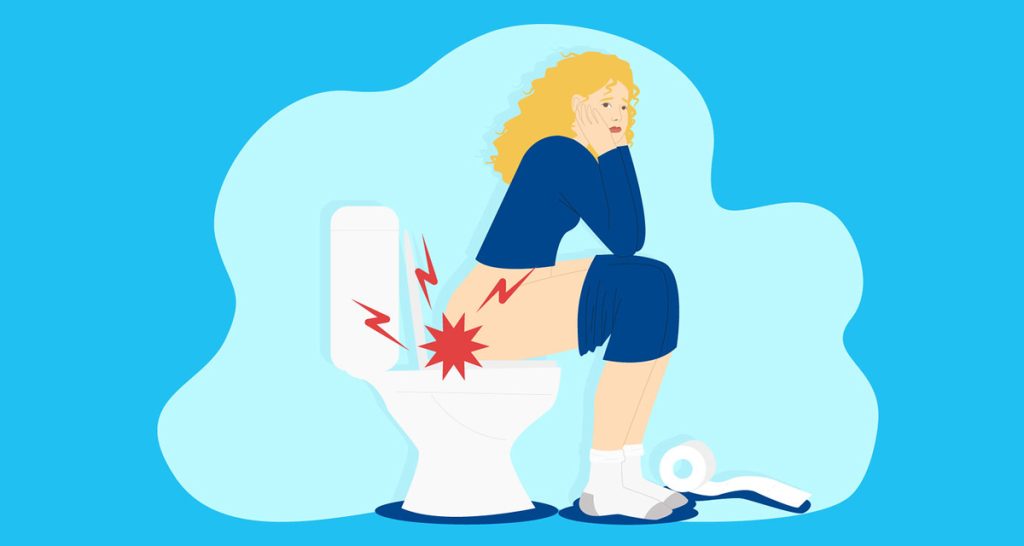
Treatment for Anal Fissure Treatment for anal fissure aims to relieve pain, heal the tear, and prevent recurrence. Most acute fissures heal within a few weeks with proper care. Chronic fissures, however, may need medications or even surgery. Home Remedies and Lifestyle Changes Medications Surgery If conservative treatment fails after 6–8 weeks, surgery may be considered: Treatment decisions depend on the fissure’s duration, severity, and the patient’s overall health. Now let’s look at possible complications and how to avoid them. 👉 [Next: Complications of Anal Fissure] Treatment for Anal Cancer Diagnosis of Anal Fissure Anal Fissure Causes and Risk Factors of Anal Fissure

Treatment for Anal Fissure Read More »

Complications of Anal Fissure

Complications of Anal Fissure

Complications of Anal Fissure While most anal fissures heal without issue, complications of anal fissure such as untreated or chronic fissures can lead to persistent pain, infection, and functional problems. Recognising and addressing complications early is key. 1. Chronic Fissure 2. Infection 3. Anal Spasm and Pain Cycle 4. Incontinence (Rare) 5. Psychological Impact Prevention Tips Anal fissures, though small, can be deeply disruptive. But with proper care and early treatment, full recovery is not only possible — it’s expected. 👉 End of Series | Back to Overview Treatment for Anal Cancer Diagnosis of Anal Fissure Treatment for Anal Fissure Causes and Risk Factors of Anal Fissure

Complications of Anal Fissure Read More »

Anal Cancer

Anal Cancer Overview

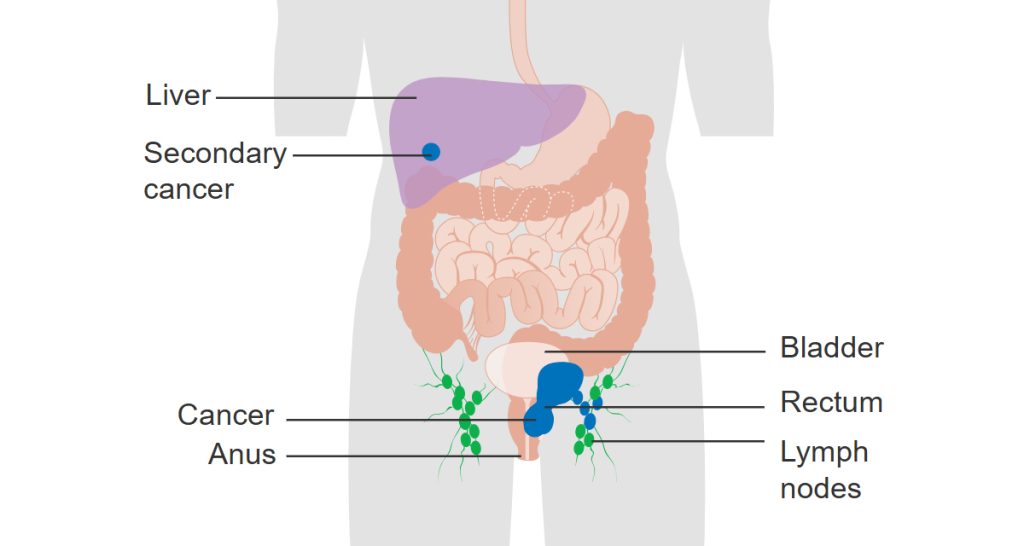
Anal Cancer Overview Anal cancer is a rare form of cancer that develops in the tissues of the anus, the opening at the end of the digestive tract where stool leaves the body. It occurs when abnormal cells in the anal canal grow uncontrollably and form a tumour. Although not as common as colon or rectal cancer, anal cancer has been increasing in recent years, especially among certain high-risk groups. In South Africa and globally, it accounts for a small percentage of digestive system cancers, but its impact can be serious if not caught early. The most common type is squamous cell carcinoma, which originates in the lining of the anal canal. Less common types include adenocarcinoma, melanoma, and basal cell carcinoma of the anus. Key Facts: Common symptoms include: Early diagnosis dramatically improves outcomes. Fortunately, anal cancer is highly treatable, especially when detected in its early stages. 👉 [Next: Causes and Risk Factors of Anal Cancer] Anal Fissure Anal Fistula Overview Complications of Anal Cancer Treatment for Anal Cancer

Anal Cancer Overview Read More »

Causes and Risk Factors of Anal Cancer

Causes and Risk Factors of Anal Cancer

Causes and Risk Factors of Anal Cancer Anal cancer occurs when genetic mutations cause cells in the anal canal to grow uncontrollably. Regardings causes and risk factors of anal cancer, these mutations are often triggered by viral infections, immune system problems, or chronic irritation. 1. Human Papillomavirus (HPV) 2. Weakened Immune System 3. Sexual History 4. Smoking 5. Age and Gender 6. History of Cervical, Vulvar, or Vaginal Cancer 7. Chronic Anal Inflammation Understanding these risk factors can guide prevention strategies — such as HPV vaccination, regular screening for at-risk individuals, and early medical attention for anal symptoms. 👉 [Next: Diagnosis of Anal Cancer] Anal Cancer Overview Causes of Cervical Cancer Complications of Anal Cancer Treatment for Anal Cancer

Causes and Risk Factors of Anal Cancer Read More »

Diagnosis of Anal Cancer

Diagnosis of Anal Cancer

Diagnosis of Anal Cancer Diagnosing anal cancer requires careful assessment of symptoms, a physical exam, and diagnostic testing. Early detection is essential, as it dramatically increases the chances of successful treatment. Step 1: Medical History and Physical Exam The doctor will ask about: A digital rectal exam is usually the first step. The doctor inserts a gloved, lubricated finger into the rectum to feel for lumps or masses. Step 2: Visual Inspection Step 3: Biopsy If doctors find a suspicious area, they perform a biopsy to remove a small tissue sample and examine it under a microscope. This confirms whether cancer is present and identifies the type and grade of cancer cells. Step 4: Imaging Tests To assess whether the cancer has spread (metastasised), doctors may do the following: Staging the Cancer Once doctors has done a Diagnosis of Anal Cancer, they stage it based on how far it has spread: Proper staging helps determine the best treatment plan. In South Africa, diagnostic services are available through both public and private healthcare, though access to imaging may vary by region. Let’s now look at how doctors treat anal cancer. 👉 [Next: Treatment for Anal Cancer] Symptoms of Cuts Anal Cancer Overview Causes and Risk Factors of Anal Cancer Complications of Anal Cancer

Diagnosis of Anal Cancer Read More »

Treatment for Anal Cancer

Treatment for Anal Cancer

Treatment for Anal Cancer Anal cancer treatment depends on the stage, type of tumour, and the patient’s overall health. The main treatments include radiation therapy, chemotherapy, and surgery — often used in combination. 1. Chemoradiation (Primary Treatment) 2. Surgery 3. Targeted Therapy and Immunotherapy Side Effects of Treatment Supportive Care In South Africa, treatment is offered at oncology centres in both public hospitals and private facilities. HPV vaccination, now part of school-based programmes for girls (and in some cases boys), is expected to reduce anal cancer rates over time. Now let’s explore the complications of anal cancer and life after treatment. 👉 [Next: Complications of Anal Cancer] Complications of Anal Fissure Anal Cancer Overvie Diagnosis of Anal Cancer Causes and Risk Factors of Anal Cancer

Treatment for Anal Cancer Read More »

Complications of Anal Cancer

Complications of Anal Cancer

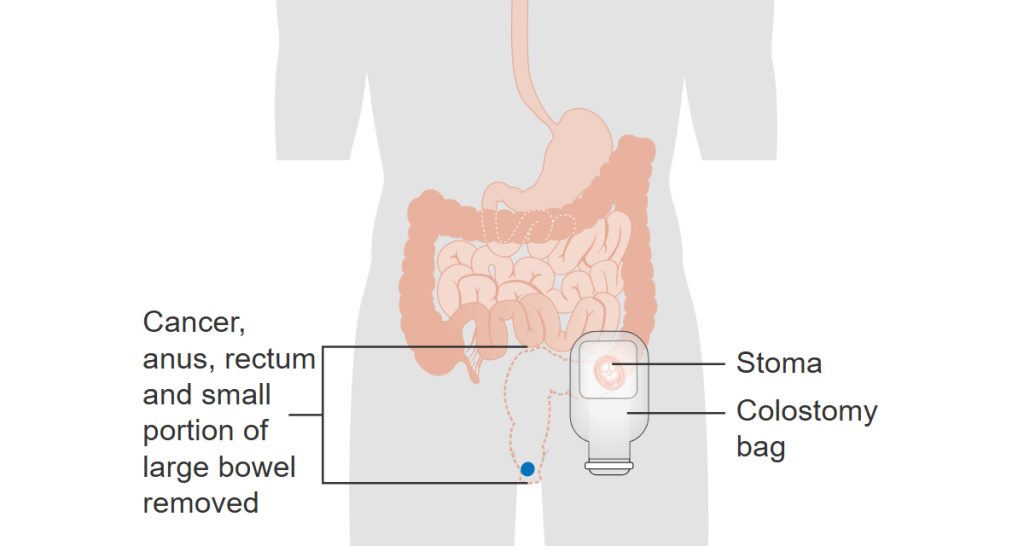
Complications of Anal Cancer Anal cancer, especially if not caught early, can lead to serious complications affecting physical health, emotional well-being, and quality of life. Fortunately, many of these can be prevented or managed with appropriate treatment and follow-up care. 1. Cancer Recurrence 2. Fistulas and Anal Stenosis 3. Incontinence 4. Sexual Dysfunction 5. Emotional Impact 6. Colostomy Adjustment Quality of Life After Treatment With early detection and modern treatment, most people survive anal cancer and return to normal life. But long-term monitoring is essential, usually every 3–6 months for the first few years. Prevention Education, early diagnosis, and comprehensive care can help prevent complications and support long-term recovery. 👉 End of Series | Back to Overview Complications of Anal Fissure Anal Cancer Overview Causes and Risk Factors of Anal Cancer Diagnosis of Anal Cancer Treatment for Anal Cancer

Complications of Anal Cancer Read More »

Anabolic Steroid Misuse

Anabolic Steroid Misuse Overview

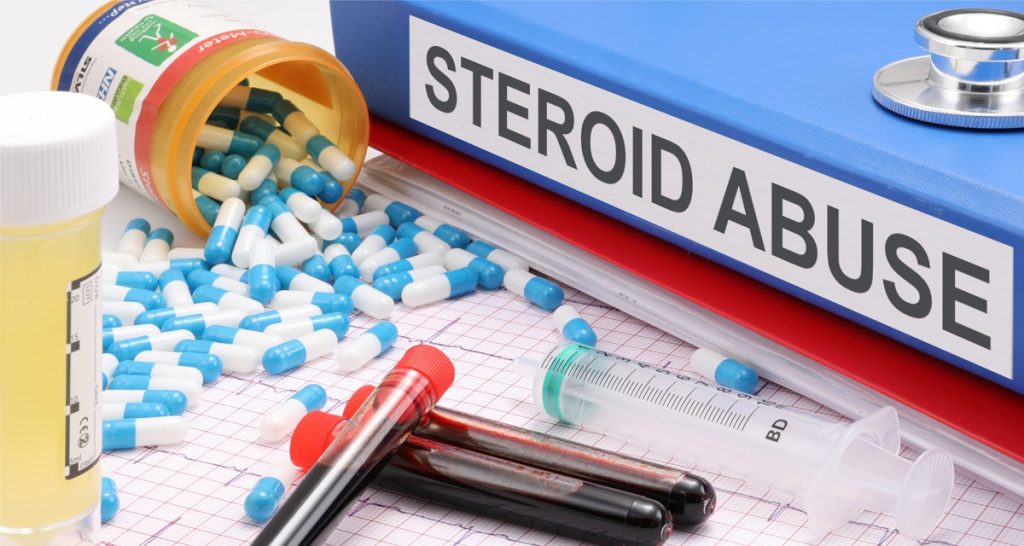
Anabolic Steroid misuse refers to using synthetic substances related to male hormones — especially testosterone — for non-medical reasons. People often misuse these drugs to boost muscle growth, athletic performance, or physical appearance. While anabolic steroids do have legitimate medical uses, such as treating delayed puberty or certain hormone imbalances, many athletes, bodybuilders, and young people misuse them to chase fast results. What Are Anabolic-Androgenic Steroids (AAS)? These synthetic drugs are called anabolic-androgenic steroids (AAS). The word “anabolic” refers to muscle-building effects. Meanwhile, “androgenic” relates to male characteristics, such as facial hair and a deeper voice. Understanding these terms helps explain why these substances attract certain users. How Common Is Anabolic Steroid Misuse? In South Africa — as in many parts of the world — steroid misuse is becoming more common. Gym-goers and amateur sports participants, in particular, show rising use. Why is this happening? Easy access plays a big role. The black market, gym networks, and even social media platforms make it simple to get these substances without a prescription. What Are the Health Risks? While users may enjoy short-term strength and physique gains, the risks are severe. Hence, misuse harms the heart, liver, kidneys, hormones, and mental health. Long-term use can lead to permanent damage or even life-threatening complications. Unfortunately, many people wrongly believe that “cycling” or combining steroids with supplements keeps them safe. Research proves otherwise — even moderate misuse can cause dangerous side effects. Why Do People Take the Risk? So, what motivates people to take these risks? Often, the desire for a better body, stronger performance, or faster results pushes them forward. Yet, these short-term rewards with anabolic steroid misuse come at a steep price. Furthermore, understanding these motivations is key to helping individuals avoid or stop steroid misuse. Related Topics Anabolic steroid misuse, Steroid abuse, Effects of steroid misuse, Steroid addiction, Steroid risks, Muscle enhancement drugs, Body image and steroids, Performance-enhancing drugs, Hormonal imbalance, Long-term steroid effects, Steroid misuse treatment, Signs of steroid abuse, Steroid health dangers 👉 [Next: Causes and Motivations for Steroid Misuse] Causes of Alcohol Misuse Treatment for Anabolic Steroid Misuse Diagnosis of Anabolic Steroid Misuse Complications of Anabolic Steroid Misuse

Anabolic Steroid Misuse Overview Read More »

Causes and Motivations for Anabolic Steroid Misuse

Causes and Motivations for Anabolic Steroid Misuse

Causes and Motivations for Anabolic Steroid Misuse Understanding the causes and motivations for anabolic steroid misuse requires looking beyond the physical results. Psychological, social, and cultural factors often drive misuse, not just the desire for bigger muscles. 1. Desire for Enhanced Performance 2. Body Image and Social Pressure 3. Peer Influence 4. Access and Misinformation 5. Psychological Factors These motivations often blur the line between health and harm. Understanding the “why” is key to helping people avoid or stop misuse. Let’s now look at how doctors identify and diagnose steroid misuse. 👉 [Next: Diagnosis of Steroid Misuse] Complications of Anabolic Steroid Misuse Treatment for Anabolic Steroid Misuse Anabolic Steroid Misuse Overview Melanie Day Chartered Clinical Psychologist UK

Causes and Motivations for Anabolic Steroid Misuse Read More »

Diagnosis of Anabolic Steroid Misuse

Diagnosis of Anabolic Steroid Misuse

Diagnosis of Anabolic Steroid Misuse Diagnosing anabolic steroid misuse involves recognising both physical and behavioural signs, often supported by blood tests and medical history. Because steroid use is often hidden, diagnosis of anabolic steroid misuse can be challenging without open conversation. Clinical Signs and Symptoms Doctors may suspect misuse if they notice: Behavioural Clues Blood and Hormonal Tests Doctors may also ask about: Diagnosis of Anabolic Steroid Misuse In South Africa, testing for anabolic steroid use is available through private clinics and anti-doping labs, especially in athletes. However, many users remain undiagnosed unless complications arise. Let’s now explore the short- and long-term consequences of steroid misuse. 👉 [Next: Complications of Steroid Misuse] Causes of Alcohol Misuse Causes and Motivations for Anabolic Steroid Misuse Treatment for Anabolic Steroid Misuse Anabolic Steroid Misuse Overview

Diagnosis of Anabolic Steroid Misuse Read More »

Scroll to Top