
Mental Matters

Health Conditions

Find information on various health conditions affecting people of all ages. This category covers causes, symptoms, diagnosis, and management options for physical illnesses and chronic diseases. Get insights to help you understand different health challenges and make informed decisions about your wellbeing.

Treatment of Marfan Syndrome

Treatment of Marfan Syndrome

Treatment of Marfan Syndrome The treatment of Marfan syndrome is comprehensive and ongoing, focusing on preventing complications, improving quality of life, and preserving normal function across multiple systems in the body. Since Marfan syndrome is a genetic connective tissue disorder, it cannot be cured. However, with modern treatments, individuals can live full and relatively normal lives. The goal of treatment is to reduce the risk of life-threatening issues, like aortic dissection, while addressing musculoskeletal, ocular, and cardiovascular symptoms. Cardiovascular Management: The Cornerstone of Treatment The most important part of the treatment of Marfan syndrome is managing cardiovascular risks, especially aortic root dilation and dissection. Since the aorta is structurally weak in Marfan patients, it is more prone to enlarging and rupturing under pressure. Ophthalmic Treatment: Preserving Vision Marfan syndrome often affects the eyes, particularly causing lens dislocation (ectopia lentis), early-onset myopia, or retinal detachment. Eye care is an essential part of the treatment of Marfan syndrome. Musculoskeletal and Orthopaedic Management The skeletal issues in Marfan syndrome can cause pain, deformity, and functional limitations, such as scoliosis, pectus deformities, joint hypermobility, flat feet, and disproportionate limb length. Pulmonary and Neurological Care Other systems affected by Marfan syndrome also require care: Reproductive and Prenatal Considerations Women with Marfan syndrome who become pregnant face higher risks due to the added strain on the cardiovascular system. The treatment of Marfan syndrome includes: Genetic counselling is also advised due to the 50% chance of passing the condition on to children. Psychological Support and Quality of Life Living with Marfan syndrome can be emotionally challenging, especially for young individuals who may struggle with physical differences or lifestyle limitations. Treatment should therefore include: Multidisciplinary Care Team A comprehensive, lifelong treatment plan requires a team of specialists, including: Specialist Role Cardiologist Manages aortic monitoring, medications, and surgery planning Ophthalmologist Manages lens dislocation, myopia, and other eye issues Orthopaedic Surgeon Treats scoliosis, chest deformities, and joint issues Geneticist Provides diagnosis, family planning advice, and genetic counselling Physiotherapist Improves joint stability, posture, and mobility Psychologist Supports emotional well-being and coping mechanisms Gynaecologist Assists with reproductive health and high-risk pregnancy management Each specialist plays a key role in maintaining long-term health and stability. Lifestyle Modifications and Self-Care Patients are encouraged to: Advances in Treatment and Research Current research is exploring: Summary The treatment of Marfan syndrome is a lifelong, multi-layered approach that focuses on preventing complications, especially cardiovascular risks, while supporting overall health. Key elements of treatment include medications like beta-blockers and ARBs, regular monitoring, and surgery when necessary. With added support for the eyes, skeleton, lungs, and mental health, patients can lead fulfilling lives. Education, empowerment, and coordinated care are essential for improving outcomes and enhancing quality of life. [Next: Complications of Marfan Syndrome →]
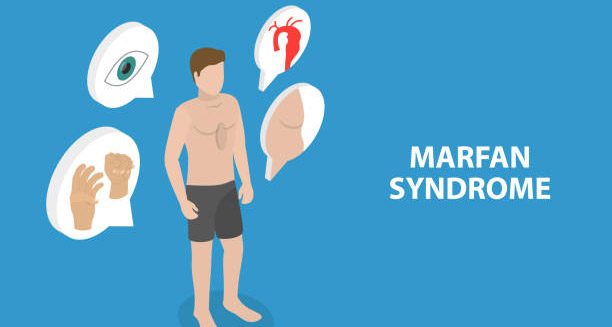

Treatment of Marfan Syndrome Read More »

Complications of Marfan Syndrome

Complications of Marfan Syndrome

Complications of Marfan Syndrome The complications of Marfan syndrome can be wide-ranging, often affecting several systems in the body due to the disorder’s impact on connective tissue. While some complications can be managed with lifestyle changes or medical treatment, others pose significant risks and may require emergency care or surgery. Understanding these potential complications is crucial for timely management and long-term health. Cardiovascular Complications: The Greatest Threat Among the complications of Marfan syndrome, cardiovascular problems are the most serious and potentially life-threatening. The aorta and heart valves are particularly vulnerable due to the weakness in connective tissue. Ocular Complications: Vision-Threatening Issues The eyes are commonly affected in Marfan syndrome. These complications can significantly affect the quality of life and vision. Musculoskeletal Complications: Physical Strain and Deformity Marfan syndrome weakens bones and joints, leading to: Pulmonary Complications: Breathing Difficulties Although less common than heart issues, lung-related problems can also be significant in Marfan syndrome. Neurological Complications: Nerve and Spine Issues The connective tissue around the brain and spinal cord is also affected in Marfan syndrome, leading to specific neurological problems. Psychological and Emotional Complications Living with a chronic condition like Marfan syndrome can have a psychological impact. Reproductive and Pregnancy-Related Complications Women with Marfan syndrome may face additional risks during pregnancy. Long-Term Outlook and Quality of Life Despite many potential complications, early diagnosis, regular monitoring, and advances in medical care have greatly improved life expectancy and quality of life for individuals with Marfan syndrome. Many complications are preventable or manageable if caught early.With proper care, people with Marfan syndrome often live into their 70s or beyond.Lifelong surveillance and working with a specialist team are essential for staying ahead of complications.Patient education and empowerment lead to better self-monitoring and reduced emergency risks. Summary The complications of Marfan syndrome are varied and can affect nearly every major system in the body, from the heart and lungs to the eyes, spine, and joints. However, with early diagnosis and regular medical care, many of these complications can be managed or avoided. The most dangerous risks—like aortic dissection—require lifelong cardiovascular monitoring, while musculoskeletal and ocular complications can be managed with supportive therapies and surgery where necessary. Emotional and psychological support also plays a key role in long-term well-being. With the right care, individuals with Marfan syndrome can live healthy, fulfilling lives. [Next: Back to Overview →]

Complications of Marfan Syndrome Read More »

Overview of Maple Syrup Urine Disease

Overview of Maple Syrup Urine Disease

Overview of Maple Syrup Urine Disease Maple syrup urine disease (MSUD) is a rare but serious inherited metabolic disorder that affects the body’s ability to break down certain amino acids. This condition gets its name from a unique symptom—a sweet, maple syrup-like smell in the urine. Although the smell may seem harmless, maple syrup urine disease can cause severe brain damage or even death if doctors do not diagnose and treat it early. It is a life-threatening disorder that needs lifelong diet control and close medical care. This section introduces the condition in simple terms. It explains how the disease affects the body, what genes are involved, the main types of maple syrup urine disease, and the long-term health effects. A clear understanding of these basics helps patients, caregivers, and healthcare providers act early and prevent serious problems. What Is Maple Syrup Urine Disease? Maple syrup urine disease (MSUD) is a genetic disorder where the body cannot break down three branched-chain amino acids (BCAAs). These are leucine, isoleucine, and valine. They are key nutrients found in protein-rich foods like meat, milk, and beans. In people with MSUD, the enzymes needed to process these amino acids do not work because of a gene change. As a result, BCAAs and their harmful by-products build up in the blood and urine. This buildup harms the brain and other organs. Without quick treatment, it can cause seizures, coma, and slow development. Why the Name “Maple Syrup”? A key sign of maple syrup urine disease is a sweet smell in the urine, sweat, and earwax. The smell is similar to maple syrup or burnt sugar. This comes from a substance called sotolone, which forms when the body cannot break down isoleucine. The smell can help doctors spot the disease early. However, it often shows up after internal damage has already started. Because of this, testing and early checks are more reliable than smell alone. Genetic Cause and Inheritance Pattern Maple syrup urine disease follows an autosomal recessive inheritance. This means a child develops the condition only if both parents carry the faulty gene. If both parents are carriers, each pregnancy has: The faulty gene blocks the branched-chain alpha-keto acid dehydrogenase (BCKD) complex. This enzyme normally breaks down BCAAs. Without it, amino acids and their by-products build up to dangerous levels in the body. Types of Maple Syrup Urine Disease There are four main types of maple syrup urine disease. Each type differs in severity and when symptoms begin. Identifying the type of maple syrup urine disease is vital to plan treatment and predict outcomes. Who Is at Risk? MSUD is very rare, with about 1 in 185,000 newborns affected worldwide. However, some groups face a higher risk. These include the Old Order Mennonite community in Pennsylvania, Ashkenazi Jews, and certain Native American groups. Because of this, carrier screening and genetic counselling are crucial in these high-risk groups. They help families understand their chances and make informed decisions. Early Signs and Symptoms In the classic form of maple syrup urine disease, symptoms usually appear within the first days after birth. These include: If untreated, these symptoms worsen quickly. They may lead to brain swelling, breathing failure, coma, or even death within weeks. Early diagnosis through newborn screening improves survival and prevents lasting brain damage. Importance of Newborn Screening Many countries now test newborns for MSUD. Doctors collect a small blood sample shortly after birth. High levels of leucine and other amino acids can point to maple syrup urine disease. Confirmatory testing then provides a clear diagnosis. Early detection matters because it allows fast treatment. This prevents brain damage and cuts the risk of life-threatening complications. Long-Term Prognosis With early care and strict management, many people with maple syrup urine disease live normal lives. Still, they face risks during illness, fasting, or physical stress. These moments can trigger a “metabolic crisis,” which can be deadly if not treated at once. Long-term outlook depends on three main things: Delays in care or poor diet control can cause brain damage, intellectual disability, and shorter life expectancy. Treatment Foundations Treatment for maple syrup urine disease focuses on a strict low-protein diet. Doctors prescribe special formulas that exclude BCAAs. Patients need frequent blood tests to track amino acid levels. They also need emergency plans for illness or stress. Some patients qualify for liver transplants. A new liver can restore enzyme activity and provide a lasting cure. Still, surgery carries risks and requires lifelong medicine to prevent organ rejection. Living With MSUD Living with maple syrup urine disease requires teamwork between doctors, dietitians, and families. Key specialists include pediatricians, metabolic experts, dietitians, and genetic counsellors. Support groups and education help families manage challenges. Teenagers and adults with MSUD must stay strict with their care plans as they gain independence. Staying disciplined reduces crises and protects long-term health. Final Thoughts Maple syrup urine disease is serious but manageable when caught early and treated well. While rare, awareness among doctors and parents makes a huge difference in survival and quality of life. With lifelong monitoring, careful diet, and expert care, people with maple syrup urine disease can live healthy and productive lives. [Next: Causes of Maple Syrup Urine Disease →]

Overview of Maple Syrup Urine Disease Read More »

Causes of Maple Syrup Urine Disease

Causes of Maple Syrup Urine Disease

Causes of Maple Syrup Urine Disease Causes of Maple Syrup Urine Disease are rooted in a rare genetic mutation that disrupts the normal breakdown of certain essential amino acids. Understanding these causes is vital not only for diagnosing and treating the condition early but also for offering accurate genetic counselling to at-risk families. Although the condition is uncommon, the consequences of unaddressed maple syrup urine disease can be devastating. Therefore, recognising how and why this disorder occurs plays a critical role in managing its impact across a person’s lifespan. In this section, we explore the biochemical and genetic roots of the condition, how it is inherited, and which groups face the highest risk. What Triggers Maple Syrup Urine Disease? The main cause of maple syrup urine disease is a mutation in one of the genes that form the branched-chain alpha-keto acid dehydrogenase complex (BCKDC). This enzyme breaks down three branched-chain amino acids (BCAAs): leucine, isoleucine, and valine. People must get these amino acids from food because the body cannot make them. In people with MSUD, a faulty gene blocks the body from making enough of the BCKDC enzyme. As a result, BCAAs and their toxic by-products build up in the blood and tissues. The brain faces the most harm, as these toxins cause lasting damage. These effects begin very early in life, often within days after birth. Without fast treatment, the condition becomes life-threatening. The Genetic Basis of the Disorder Maple syrup urine disease follows an autosomal recessive pattern. A child needs two faulty copies of the gene, one from each parent, to develop the condition. When a child inherits only one faulty gene, the child becomes a carrier but shows no symptoms. The genes linked to MSUD are: A mutation in any of these genes can damage the BCKDC enzyme complex. Most often, changes in the BCKDHA and BCKDHB genes cause the problem. These changes stop the enzyme from breaking down BCAAs, which leads to toxic build-up in the body. Mutation Types and Their Effects The type of mutation shapes the severity of maple syrup urine disease. In all forms, the root cause remains the same: a genetic defect that blocks the body from using BCAAs properly. Inheritance Pattern Explained In autosomal recessive disorders like MSUD: For every pregnancy, the risks are clear: Because of this, genetic counselling plays a key role. Families with a history of MSUD or those in high-risk groups can make informed choices with the right guidance. Populations with Higher Carrier Frequency Causes of Maple Syrup Urine Disease appear more often in some groups due to shared ancestry. While MSUD is rare worldwide, some communities face higher rates: In these groups, genetic screening and premarital testing have reduced the number of affected children. Early detection lowers the impact. Prenatal and Preimplantation Genetic Diagnosis Modern medicine allows families to find MSUD before birth: These methods give families more options and support informed reproductive choices. Environmental and Dietary Risk Factors MSUD comes only from genetics. Still, outside factors can trigger crises and worsen symptoms. These include: In people with MSUD, these stressors increase protein breakdown in the body. That leads to higher BCAA levels and raises the risk of metabolic crises. While these do not cause the disorder, they increase the danger. Why Early Detection Matters Since Causes of Maple Syrup Urine Disease always involve faulty genes, early detection is the only way to prevent damage. Most developed countries screen newborns for MSUD by testing for high levels of leucine and other BCAAs. When doctors detect the disorder early, they can start diet changes and treatment before symptoms worsen. This quick action prevents brain injury and improves quality of life. Summary of Causes of Maple Syrup Urine Disease The disorder comes only from inherited mutations that damage the enzymes needed to break down BCAAs. It follows an autosomal recessive pattern, so both parents must pass down the faulty gene. While rare, it appears more often in specific groups due to founder effects. Outside factors cannot cause MSUD, but they can worsen it. By learning the genetic causes of maple syrup urine disease, families and doctors can focus on newborn screening, genetic counselling, and new research. Gene therapies may one day provide a cure. [Next: Symptoms of Maple Syrup Urine Disease →]

Causes of Maple Syrup Urine Disease Read More »

Symptoms of Maple Syrup Urine Disease

Symptoms of Maple Syrup Urine Disease

Symptoms of Maple Syrup Urine Disease The symptoms of maple syrup urine disease can range from subtle to severe and life-threatening, depending on the specific type and severity of the condition. While some forms of the disease present within days of birth, others may remain unnoticed until periods of physical stress or illness trigger a metabolic crisis. Recognising the early and progressive symptoms of maple syrup urine disease is essential for timely intervention, preventing neurological damage, and improving long-term outcomes. In this section, we will explore the full spectrum of symptoms across different types of MSUD. We will also explain how these signs progress without treatment and why early diagnosis is critical. Early-Onset Symptoms (Classic MSUD) Classic MSUD is the most severe and common form. It usually appears in the first few days after birth. At first, infants may look healthy. Soon after, symptoms begin as branched-chain amino acids (BCAAs), especially leucine, build up in the blood and body tissues. Early symptoms of classic MSUD include: One clear sign is a sweet smell in urine, sweat, or earwax. This smell, like burnt sugar or maple syrup, usually shows up in the first week of life. It comes from sotolone, a by-product of isoleucine breakdown. Progressive Neurological Symptoms If treatment does not begin quickly, the buildup of amino acids causes serious brain problems. These include: This stage highlights why fast action and recognition of the symptoms of maple syrup urine disease matter. Symptoms in Intermediate and Intermittent MSUD Not every person with MSUD shows signs as a baby. In intermediate MSUD, symptoms often begin in early childhood. In intermittent MSUD, symptoms may not appear until teenage years or even adulthood. Usually, they show up during times of stress or sickness. Typical symptoms include: In intermittent MSUD, many people live normal lives. Still, they always face the risk of sudden crises if stressed, fasting, or after surgery. Thiamine-Responsive MSUD Symptoms A rare form, thiamine-responsive MSUD, allows partial enzyme activity. Large doses of vitamin B1 (thiamine) can help. Symptoms are often mild but can still cause brain harm if ignored. They include: Early thiamine therapy helps prevent lasting harm in these patients. Triggers That Worsen Symptoms Symptoms of maple syrup urine disease often get worse during stress. When the body breaks down its own protein, toxins rise quickly. Common triggers include: Even mild cases can worsen fast during these times. The effects can mirror those of classic MSUD, with seizures, brain swelling, and coma. Long-Term Symptoms and Outcomes Even with treatment, some people face lasting effects, such as: These problems often appear when diagnosis is late or crises are frequent. Good diet control and early care lower these risks. Importance of Parental and Clinical Awareness Many symptoms of maple syrup urine disease look like other baby illnesses. These include reflux, meningitis, or even sepsis. This can cause delays in finding the true cause. Parents and doctors need to stay alert when seeing signs such as: Quick testing, including newborn screening and blood checks for amino acids, saves lives. Summary The symptoms of maple syrup urine disease differ by type and severity, but all come from toxic amino acid buildup. Classic MSUD usually appears in the first week of life. Other forms may remain hidden until stress brings them out. Untreated MSUD always risks brain injury and even death. Early recognition—especially the maple syrup smell—leads to fast treatment and far better outcomes. [Next: Diagnosis of Maple Syrup Urine Disease →]

Symptoms of Maple Syrup Urine Disease Read More »

Diagnosis of Maple Syrup Urine Disease

Diagnosis of Maple Syrup Urine Disease

Diagnosis of Maple Syrup Urine Disease The diagnosis of maple syrup urine disease is crucial for initiating early treatment and preventing irreversible brain damage, especially in newborns. Since classic MSUD progresses rapidly and may be fatal if left undiagnosed, accurate and prompt identification is essential. Doctors rely on clear signs, blood screening, and lab testing to confirm the disease. These steps also help distinguish between the different forms of MSUD. In this section, we look at the full process for diagnosis of maple syrup urine disease. This includes early checks, newborn screening, blood tests, and genetic studies. Clinical Suspicion and Initial Assessment Early detection begins with strong clinical suspicion. Newborns may show signs such as: Because these signs are also seen in sepsis or meningitis, more tests are needed. If MSUD seems likely, doctors place the baby on a protein-free or very low-protein diet at once. This step lowers immediate risk while waiting for results. Newborn Screening Programmes in Diagnosis of Maple Syrup Urine Disease In many countries, newborn screening includes MSUD. A blood sample taken from the baby’s heel within 2–3 days of birth is tested with tandem mass spectrometry (MS/MS). This checks for high levels of leucine, isoleucine, and valine. When results look abnormal, the baby is quickly referred for specialist care. Still, newborn screening alone is not enough. False results sometimes happen, especially if feeding was delayed. That is why quick follow-up testing is essential. Biochemical Testing After suspicion arises, the next step is blood amino acid analysis. This test, done with liquid chromatography or mass spectrometry, often shows: Urine testing also helps. Using gas chromatography, doctors may find high levels of certain keto acids. Sotolone, the compound that creates the maple syrup smell, may also appear. These results give strong evidence of the disease. Enzyme Activity Assay Enzyme testing can confirm the diagnosis of maple syrup urine disease and show the type. Doctors check the activity of the BCKDC enzyme in white blood cells or skin cells. Results may show: Enzyme studies are very useful when genetic testing is not clear or not available. Genetic Testing Genetic testing confirms the exact mutation. Doctors look at four genes linked to MSUD: BCKDHA, BCKDHB, DBT, and DLD. Finding the exact change: Sometimes, doctors use whole-exome sequencing or targeted panels, especially in areas with limited access to specific tests. Differential Diagnosis Doctors must also rule out other conditions. These include sepsis, urea cycle defects, glycine disorders, pyruvate problems, and other organic acidurias. Many of these look similar in babies. Because of this, a full metabolic panel and neurology check are important. Neuroimaging (MRI and CT) When babies arrive late or in crisis, MRI scans may show brain changes. These include: These findings support the diagnosis when paired with blood and urine tests. They also show how much damage has already occurred. Carrier and Prenatal Testing When a child has a confirmed mutation, parents and siblings should be tested. Couples can then choose prenatal testing during pregnancy or preimplantation testing during IVF. This is especially useful in communities with higher rates of MSUD due to family links. Importance of Early Diagnosis of Maple Syrup Urine Disease Quick diagnosis of maple syrup urine disease makes the biggest difference. Babies diagnosed before their first crisis often grow well with treatment. Delayed detection, however, leads to brain damage, coma, or even death. That is why newborn screening and immediate follow-up are critical. Without them, long-term brain and motor problems are almost certain. Summary The diagnosis of maple syrup urine disease combines newborn screening, biochemical tests, enzyme analysis, and genetic confirmation. Early detection saves lives and protects brain function. It also prepares families with vital knowledge for future planning. Raising awareness among health workers ensures faster action and better outcomes for affected children. [Next: Treatment of Maple Syrup Urine Disease →]

Diagnosis of Maple Syrup Urine Disease Read More »

Treatment of Maple Syrup Urine Disease

Treatment of Maple Syrup Urine Disease

Treatment of Maple Syrup Urine Disease The treatment of maple syrup urine disease (MSUD) requires a lifelong and meticulously managed approach, especially in classic cases. Without timely and effective intervention, the accumulation of toxic branched-chain amino acids (BCAAs) can rapidly lead to neurological damage and even death. Treatment focuses on keeping safe levels of leucine, isoleucine, and valine. At the same time, it supports normal growth and brain function. In this section, we look at all aspects of treatment of maple syrup urine disease. This includes diet, urgent medical care, supplements, and new therapies in development. Goals of Treatment The main goals are clear: Doctors use a mix of diet, supplements, and close checks to achieve these goals. In some cases, liver transplant becomes the best option. Dietary Management in Treatment of Maple Syrup Urine Disease The most important part of treatment of maple syrup urine disease is diet. Protein intake must stay very low for life. Because the body still needs these amino acids, the diet must balance carefully. The key parts of the diet are: Working with a metabolic dietitian is essential. Foods like meat, milk, eggs, soy, and beans are mostly avoided. Acute Metabolic Decompensation During illness, injury, or fasting, people with MSUD face crisis. The body starts to break down muscle, which causes BCAAs to rise quickly. This leads to: Emergency care must start right away. Hospitals treat crises with: Fast action can save brain function and prevent lasting harm. Thiamine Supplementation Some people respond well to high doses of thiamine (vitamin B1). Doctors test this at diagnosis. If the patient responds, diet restrictions may ease slightly. However, this works only in certain types of MSUD. It does not help in classic cases. Regular Monitoring Ongoing checks remain vital. These include: Babies and toddlers often need weekly or two-weekly tests. Older patients need checks less often, but never stop them. Supportive Therapies Extra support helps improve daily life. Common therapies include: These services reduce stress and improve care. Liver Transplantation In severe cases, doctors recommend a liver transplant. The liver can process BCAAs, so after a successful transplant patients often enjoy: Still, transplants have risks like surgery problems, rejection, and infections. They are best done before major brain injury occurs. Emerging Therapies and Research New treatments are under study. They include: These new ideas give hope for easier or permanent cures. Family Education and Genetic Counselling Family knowledge is key to treatment of maple syrup urine disease. Parents learn to spot crisis signs early, follow diet rules, and act fast in emergencies. Genetic counselling also helps. Families learn about the 25% chance of MSUD in each pregnancy, testing options, and future planning. Treatment in Resource-Limited Settings In many countries, treatment is harder. Families may lack newborn screening, dietitians, or special formulas. Without these, death and disability are more common. Global efforts are needed to improve care in these areas. Summary of Treatment of Maple Syrup Urine Disease The treatment of maple syrup urine disease depends on a strict diet, quick crisis care, constant monitoring, and sometimes liver transplant. With early diagnosis and careful treatment, most people live stable and full lives. New therapies may bring lasting cures in the future. [Next: Complications of Maple Syrup Urine Disease →]

Treatment of Maple Syrup Urine Disease Read More »

Complications of Maple Syrup Urine Disease

Complications of Maple Syrup Urine Disease

Complications of Maple Syrup Urine Disease The complications of maple syrup urine disease (MSUD) can be life-threatening and have long-term consequences if not managed proactively. This rare condition happens when branched-chain amino acids (BCAAs) and their keto acids build up in the body. These toxins damage the brain the most. Early diagnosis and a strict diet reduce the risks. Still, problems can appear during illness or when treatment is not followed well. In this section, we’ll look at both short-term and long-term complications of maple syrup urine disease. These include brain problems, learning delays, growth issues, and emotional or social struggles. Acute Metabolic Crises One of the most dangerous complications of maple syrup urine disease is an acute crisis. This often happens during: When this occurs, the body breaks down muscle protein. As a result, BCAAs rise quickly. High leucine levels can cause: These crises often need hospital care. In very bad cases, doctors use emergency dialysis. The danger lies in how fast symptoms appear, especially in babies. Repeated crises can cause lasting brain damage. Neurological Damage Ongoing crises or long exposure to high leucine levels harm the brain. Even with good treatment, some people may still face: Brain scans often show damage in the brainstem, white matter, or deep brain regions. The outcome depends on how early the diagnosis is, how fast treatment begins, how well the diet is controlled, and access to expert care. Developmental and Learning Challenges Children with maple syrup urine disease can face long-term learning delays. These may include: These issues may range from mild to severe. Many children need early intervention, therapy, and school support. The good news is that children who get an early diagnosis and follow treatment closely often develop normally, especially in mild forms or after a liver transplant. Growth and Nutrition Problems Another common issue with maple syrup urine disease is poor growth. Because protein intake must stay low, children may not get enough food energy or nutrients. This can lead to: Balancing the diet is very hard. People with MSUD need special formulas and close monitoring. Vitamin and mineral supplements often help prevent problems. Osteopenia and Osteoporosis Low bone strength often appears in people with maple syrup urine disease. Causes include: If untreated, bones can break easily and posture may suffer. Bone health checks are very important in teenagers and adults. Emotional and Social Impact Living with MSUD affects emotional well-being. People and their families may feel: Young people often struggle with identity and frustration about restrictions. Support groups and counselling can improve coping and reduce stress. Complications of Maple Syrup Urine Disease After Transplant A liver transplant can stop metabolic crises, but it brings its own risks. These include: Even so, for people with many crises, a transplant can greatly improve life and survival. Problems with Late Diagnosis In areas without newborn screening, maple syrup urine disease may go undetected. Late diagnosis often means: The earlier the disease is found, the better the chance to avoid these complications. Pregnancy Complications in Women with MSUD Although rare, some women with MSUD become pregnant. This stage brings more risks, such as: A care team including both pregnancy and metabolic specialists is vital. Poor control or unplanned pregnancy increases danger for mother and baby. Risk of Death In untreated or badly controlled cases, the risk of death remains high. This is most common in babies and young children with classic MSUD. Death may result from: With strong care, many people now live long lives. Outcomes have improved a lot in the last twenty years. Summary of Complications of Maple Syrup Urine Disease The complications of maple syrup urine disease affect the brain, growth, learning, and emotional health. Constant monitoring and special care are needed. Quick treatment and a strict diet reduce risks. With early diagnosis and strong medical support, many people live full and long lives. New treatments bring hope for even better outcomes in the future. [Next: Back to Overview →]

Complications of Maple Syrup Urine Disease Read More »

Malnutrition

Malnutrition

Overview of Malnutrition Malnutrition is a widespread and complex health issue that arises when the body does not receive the appropriate balance of nutrients it needs to function optimally. It includes both undernutrition, where the body lacks calories, protein, or vitamins, and overnutrition, where too much fat, sugar, or calories lead to obesity. Even though healthcare and food production have advanced, malnutrition still affects all age groups, from infants in poorer nations to adults in wealthy countries. Many people think of starvation when they hear the word malnutrition. Yet it covers much more. For instance, someone who is overweight may still lack vitamins or minerals. On the other hand, a thin person may not be malnourished if they absorb nutrients well. This “double burden” of undernutrition and overnutrition is now common, especially in low- and middle-income countries that are rapidly changing their diets and lifestyles. The health effects can be serious. Children with poor nutrition may grow slowly, struggle in school, or face frequent infections. Adults may feel tired, lose focus, and develop long-term diseases like diabetes, high blood pressure, or heart disease. Pregnant women without proper nutrition risk anaemia, preterm births, and low birth weight in babies. Global Impact and Prevalence of Malnutrition Malnutrition is one of the main causes of sickness and death worldwide. The World Health Organization reports that about 45% of deaths in children under five link to undernutrition. At the same time, obesity has nearly tripled since 1975. More than two billion people face “hidden hunger” from missing vitamins and minerals, which harms health even if outward signs do not appear. Different regions show different problems. In sub-Saharan Africa and South Asia, many children suffer from stunting and wasting. In urban parts of Latin America and the Middle East, obesity and overnutrition are now more common. This shows that solutions must be adapted to the needs of each place. Categories of Malnutrition Experts usually group malnutrition into three main categories. These groups often overlap. A child can be stunted and overweight if their diet is calorie-rich but poor in quality. Similarly, an obese adult may still lack iron or vitamin D. Causes and Contributing Factors The causes of malnutrition are linked and layered. They can be divided into three levels. Other issues add to the problem. Eating disorders, cultural food rules, and misleading diet trends can all cause imbalances. Climate change, war, and displacement also disrupt food systems and raise the risk of hunger. Signs and Health Effects of Malnutrition Malnutrition appears in many ways. Some signs are easy to see, such as thinness, swollen belly, brittle hair, or slow growth. Other signs, like fatigue, irritability, infections, or poor focus, may be harder to notice. The long-term effects are serious. Children may struggle in school, have delayed brain development, or even die from illnesses like diarrhoea and pneumonia. Adults may lose muscle, have weak bones, or suffer from frequent sickness. On the other hand, people with obesity face risks of diabetes, heart disease, and shorter life spans. These problems also raise healthcare costs. Preventing and Solving Malnutrition Fighting malnutrition takes many steps, not just providing food. The food must also be safe, diverse, and rich in nutrients. Helpful actions include: For overnutrition, people need support to stay active and limit junk food. Governments can help by regulating unhealthy food ads aimed at children. Strong nutrition policies, better healthcare, and constant monitoring are vital. The United Nations also highlights ending hunger and improving nutrition as global goals by 2030. [Next: Causes of Malnutrition →]

Malnutrition Read More »

Causes of Malnutrition

Causes of Malnutrition

Causes of Malnutrition Understanding the causes of malnutrition is critical to tackling one of the most pressing global health challenges of our time. The causes of malnutrition are diverse, interwoven, and influenced by social, economic, environmental, and medical factors. Whether the malnutrition shows as undernutrition or overnutrition, the root causes often go beyond the individual. They reflect larger system issues that need many types of solutions. Malnutrition does not occur in isolation. It usually develops from several combined factors. These include eating too little, poor nutrient absorption, higher nutritional needs, or eating too many unhealthy foods. These factors may act alone or together. Their impact changes based on age, gender, location, and overall health. 1. Inadequate Dietary Intake One of the most direct causes of malnutrition is not eating enough calories, protein, or essential vitamins and minerals. This often happens in low-income communities or during food shortages, conflict, or disasters. People may lack access to enough food, or the food they have may lack variety and nutrition. Diets that rely mainly on maize, rice, or cassava but lack fruits, vegetables, and protein often cause nutrient shortages. Cultural or religious rules may also limit certain foods. For example, vegetarian diets, if not carefully planned, may lack iron, vitamin B12, or zinc. This risk is high for children and pregnant women. Eating disorders like anorexia or bulimia also restrict food and lead to severe deficiencies. 2. Poor Absorption of Nutrients Sometimes people eat enough food but still do not absorb nutrients well. Chronic illnesses such as coeliac disease, Crohn’s disease, ulcerative colitis, and cystic fibrosis damage the gut. This makes nutrient absorption harder. Parasitic infections like hookworm or giardiasis also cause malnutrition in areas with poor sanitation. Frequent diarrhoea or vomiting can strip the body of fluids and nutrients. Older adults often face poor absorption due to lower stomach acid, digestion changes, or medication use. This reduces key nutrients like calcium, vitamin D, and magnesium. 3. Increased Nutritional Needs Certain stages of life raise the body’s demand for nutrients. Infants, children, teens, pregnant women, and breastfeeding mothers all need extra nutrition. If their needs are not met, undernutrition, stunting, or deficiencies occur. Illness also raises nutritional demand. Fighting infections, wounds, or fever needs more energy and nutrients. Diseases such as HIV/AIDS, tuberculosis, and cancer place heavy strain on the body. Without extra support, people may waste away or develop cachexia. In children, repeated respiratory and gut infections create a harmful cycle of illness and poor nutrition. 4. Overconsumption of Unhealthy Foods Overnutrition happens when people eat too many calories but too few nutrients. Diets heavy in processed foods, sugary drinks, and fast food often cause this problem. These foods are high in energy but low in vitamins and minerals. As a result, people may gain fat but still lack nutrition. Urban living adds to this. People move less and often choose cheap, ready-to-eat meals. In many poor families, obesity occurs because processed foods are the cheapest option. Advertising also worsens the issue. Children and teens are easy targets for ads promoting sugary snacks. Without good nutrition education, these habits carry into adulthood, raising risks of diabetes and heart disease. 5. Socioeconomic and Political Factors Poverty is a key cause of malnutrition. It reduces access to food, clean water, healthcare, and education. Poor families may skip meals or eat smaller portions. They may rely on cheap, low-nutrition foods. Political instability, war, and displacement also drive malnutrition. In conflict areas or refugee camps, food, sanitation, and healthcare often collapse. Supply chains break down, leaving families without essentials. Climate change worsens the issue. Droughts, floods, and shifting weather reduce crop yields and raise food prices. In farming communities, one failed harvest can mean months of hunger or dependence on poor-quality food aid. 6. Lack of Nutrition Education Poor knowledge about food plays a big role in malnutrition. Many people, especially in low-literacy areas, may not understand balanced diets. This often leads to poor infant feeding. For instance, early weaning or delaying solid foods can harm a child’s growth. Even in rich countries, confusion about diets is common. Fad diets, misinformation on social media, or extreme restrictions often lead to imbalances. People may eat enough but still lack vital nutrients. 7. Healthcare Access and Disease Burden Poor access to healthcare makes malnutrition worse. Without screenings, check-ups, or growth monitoring, early signs go unnoticed. Vaccines, deworming, and basic medical care are essential to break the cycle of illness and poor nutrition. People with disabilities or chronic diseases also face challenges. Someone who cannot shop or cook may depend on processed foods. These may fill the stomach but fail to meet nutrition needs. Conclusion The causes of malnutrition connect to each other in complex ways. Poor diet, disease, poverty, food insecurity, and cultural practices all play a part. Malnutrition thrives where systems fail to support healthy living. Solving it requires broad action. Solutions must meet immediate needs and fix deeper root problems. Without this, the causes of malnutrition will keep harming millions around the world. [Next: Symptoms of Malnutrition →]

Causes of Malnutrition Read More »

Scroll to Top