Mental Matters

Health Conditions

Find information on various health conditions affecting people of all ages. This category covers causes, symptoms, diagnosis, and management options for physical illnesses and chronic diseases. Get insights to help you understand different health challenges and make informed decisions about your wellbeing.

Patient consulting doctor about genital warts diagnosis

Diagnosis of Genital Warts

You have pain, itching, or bleeding from bumps in the genital or anal region You are starting a new relationship and want peace of mind about your sexual health Diagnosis of Genital Warts The diagnosis of genital warts typically involves a physical examination by a healthcare professional, supported by a review of symptoms and medical history. In some cases, further testing may be required to rule out other conditions or to identify high-risk strains of HPV. Genital warts are usually diagnosed visually, but confirmation and follow-up care are essential for comprehensive sexual health management. Because the appearance of genital warts can vary widely and overlap with other conditions, a professional evaluation is always recommended before assuming a diagnosis. Clinical Examination The first step in diagnosing genital warts is a visual inspection of the affected area. During the consultation, your doctor or sexual health nurse will: Examine any visible lumps, bumps, or growths Check for clusters or flat lesions around the genitals, anus, groin, or inner thighs Possibly use a speculum to inspect the vagina and cervix in women Conduct an anoscopy (insertion of a small scope) if internal anal warts are suspected The examination is usually quick and painless, though some discomfort may occur if the area is sore or inflamed. In most cases, the appearance of warts is distinctive enough that no further testing is needed to confirm the diagnosis. Vinegar (Acetic Acid) Test In certain cases — especially if the warts are flat, pale, or hard to see — your clinician may apply a diluted acetic acid solution (vinegar) to the skin. This causes infected areas to turn white, making them more visible. However, this method is not entirely reliable, as other skin conditions can also react similarly. It is generally used as a supplementary test, not a standalone diagnostic tool. HPV Testing While HPV testing is not routinely used to diagnose genital warts, it may be recommended in specific scenarios: Cervical screening (Pap smear) in women, which can detect abnormal cells linked to high-risk HPV types HPV DNA testing to determine whether high-risk strains (e.g. HPV 16 or 18) are present This is especially important in people with a history of abnormal smear results, immunocompromised patients, or persistent/recurrent warts Routine HPV testing is not usually performed in men, as there is no approved HPV test for males that is widely used in clinical practice. Differentiating from Other Conditions Because several skin conditions can mimic genital warts, a proper diagnosis is crucial. Conditions that may resemble genital warts include: Molluscum contagiosum – small, round bumps with a central dimple Skin tags – soft, flesh-coloured growths often mistaken for warts Seborrhoeic keratoses – benign skin growths more common in older adults Syphilis sores or ulcers – may resemble warts in their early stages Genital psoriasis or eczema – may cause redness or raised areas If there is any uncertainty, a small biopsy (removal of a tiny tissue sample) can be taken and examined under a microscope to confirm the diagnosis. Asymptomatic Carriers and Incidental Findings In some cases, HPV is detected during routine screenings, even when no visible warts are present. For instance: During a cervical smear, abnormal cells caused by HPV may be found In a sexual health screening, HPV may be suspected based on history or exposure A partner may be diagnosed with genital warts, prompting an examination in someone without symptoms It’s important to note that even without visible symptoms, individuals can carry and transmit the virus. This highlights the importance of regular check-ups and honest communication between partners. Psychological Impact of Diagnosis Receiving a diagnosis of genital warts can trigger a range of emotions: Shock or disbelief, particularly in monogamous relationships Guilt or shame, often fuelled by stigma or misinformation Anxiety about current or future sexual relationships Fear of long-term health complications, even though warts are usually benign Understanding that genital warts are extremely common, manageable, and often temporary can help reduce fear and guilt. Most people recover fully with or without treatment, and the condition does not affect fertility or long-term health. When to Seek Diagnosis of Genital Warts You should consider seeing a healthcare provider for evaluation if: You notice unusual growths or changes in your genital area A partner has been diagnosed with HPV or genital warts Getting a timely diagnosis of genital warts leads to earlier treatment, reduced risk of spread, and better peace of mind — all of which contribute to improved overall sexual wellbeing. [Next: Treatment of Genital Warts→]


Diagnosis of Genital Warts Read More »

Person applying adhesive treatment to genital area for genital warts

Treatment of Genital Warts

Treatment of Genital Warts The treatment of genital warts aims to remove visible growths, relieve symptoms, reduce the risk of transmission, and minimise the emotional burden they can cause. Genital warts are caused by the human papillomavirus (HPV), and while the warts themselves can be treated, the virus often remains dormant in the body. This means that warts may recur even after successful removal, particularly in the first two years following infection. Although genital warts can resolve on their own over time, many people opt for treatment due to discomfort, embarrassment, or a desire to prevent spread to partners. The right treatment choice depends on several factors, including the size, location, number of warts, and the individual’s immune health. Should You Treat Genital Warts? In some cases, no treatment is strictly necessary. Warts may disappear on their own within six months to two years, especially in individuals with healthy immune systems. However, treatment is often preferred when: Warts are painful, itchy, or bleeding They cause emotional distress or embarrassment The location interferes with urination, sex, or hygiene A person wants to reduce the risk of transmission to a partner The warts are persisting or spreading Most treatments target the wart itself, not the underlying virus, which is why recurrence is possible. However, with time, the immune system often clears the virus, reducing the chance of future outbreaks. Topical Treatments Topical applications are often the first-line option, especially for external genital warts. 1. Podophyllotoxin (Warticon) A plant-derived chemical applied directly to the wart Causes the cells in the wart to die and fall off Usually applied at home twice daily for three days, followed by a four-day break May require several cycles Caution: Not suitable during pregnancy. Should not be used on internal warts or large clusters. 2. Imiquimod (Aldara) Stimulates the immune system to fight the virus Applied three times a week before bedtime, then washed off in the morning May take 6–12 weeks to show results Safe for long-term use and suitable for multiple or persistent warts Some people experience redness, swelling, or skin irritation, especially in the early stages. 3. Trichloroacetic Acid (TCA) A strong acid applied by a doctor or nurse Used primarily for small, moist warts or those located internally (e.g. in the vagina or anus) Typically administered weekly in a clinic setting This treatment is effective but can cause burning or pain during application. Surgical or Physical Removal For larger, resistant, or internal warts, physical removal may be the best approach. 1. Cryotherapy (Freezing) Liquid nitrogen freezes the wart, causing it to blister and fall off Performed by a healthcare provider every 1–2 weeks until resolution Mild discomfort during and after the procedure is common Healing time is usually 1–2 weeks 2. Electrosurgery (Burning Off) Uses an electric current to burn and cut away the wart Often used for larger or stubborn warts Requires local or general anaesthesia Carries a risk of scarring or discomfort 3. Excision (Cutting Off) Warts are surgically removed with a scalpel Used for large growths or when a biopsy is required Stitches may be needed, and healing can take several weeks 4. Laser Therapy Focused light beams destroy wart tissue Reserved for severe or treatment-resistant cases May be more costly and require a hospital setting Home Remedies: Do They Work? There are many online claims about natural treatments like apple cider vinegar, tea tree oil, garlic, or aloe vera. While some of these may have anecdotal support: There is no strong scientific evidence for their effectiveness Some may cause burning, allergic reactions, or further skin irritation Using unproven remedies may delay proper treatment and increase discomfort Medical treatments are far more reliable, and it’s always best to consult a healthcare provider before trying alternative methods. Treating Internal Warts Internal genital warts — those on the cervix, inside the vagina, urethra, or anus — require specialist care. Treatment may involve: Trichloroacetic acid Electrosurgery or laser therapy Specialist referral, particularly for anal or urethral involvement Women with cervical warts should undergo regular Pap smears to monitor for abnormal cell changes, especially if high-risk HPV is present. Managing Recurrences Even after successful treatment, the virus can reactivate. To reduce recurrence: Avoid stress and immune suppression Stop smoking, which may impair immune function Use condoms, which lower reinfection and transmission risk Consider HPV vaccination (if not already vaccinated) In cases of frequent recurrences, long-term imiquimod therapy or consultation with a dermatologist or STI specialist may be beneficial. Emotional Support and Communication Treating the physical symptoms of genital warts is only one part of recovery. Many individuals also need: Reassurance that warts are common and manageable Support in disclosing the condition to partners Professional counselling, especially if the diagnosis causes distress or affects self-esteem Treatment of Genital Warts Effective treatment of genital warts goes beyond clearing the skin. It’s about restoring control, protecting others, and rebuilding confidence. [Next: Complications of Genital Warts →]

Treatment of Genital Warts Read More »

Woman holding help sign near underwear due to genital warts discomfort

Complications of Genital Warts

Complications of Genital Warts The complications of genital warts are generally mild in physically healthy individuals, especially when the condition is diagnosed early and treated properly. However, when left untreated or in individuals with weakened immune systems, genital warts can lead to physical discomfort, psychological distress, and, in rare cases, an increased risk of certain cancers due to HPV exposure. Being informed about potential complications empowers people to take preventative measures and seek timely treatment. Physical Complications 1. Discomfort and Irritation While many warts are painless, some cause: Itching or burning, especially when in moist or friction-prone areas Bleeding, particularly if scratched or irritated during sex or hygiene routines Pain during intercourse or urination, especially if warts are internal or large These symptoms can significantly impact daily comfort, sexual health, and intimate relationships. 2. Spread of Warts Genital warts can multiply and spread to: Nearby skin through autoinoculation (self-transmission) Additional sites, such as the anus, thighs, or perineum A partner, particularly if no protection is used during sexual activity Recurrent or untreated infections are more likely to spread or worsen over time. 3. Obstruction or Urethral Involvement In rare cases, large or clustered warts can: Obstruct the urethra, causing pain or difficulty urinating Block the vaginal canal or anal passage, requiring surgical removal Lead to secondary infections if hygiene is compromised These complications are more common in individuals with poor immune function. Complications in Pregnancy Pregnant individuals with genital warts may face: Increased wart growth, due to hormonal changes and immune suppression Bleeding or discomfort during delivery Rare risk of transmitting HPV to the baby, leading to a condition called laryngeal papillomatosis, where warts grow in the infant’s throat To manage these risks: Regular prenatal monitoring is advised Treatment may be delayed until after delivery unless warts are large or obstructive In cases of severe genital warts at term, a Caesarean section may be recommended HPV itself does not cause miscarriage or birth defects, but physical complications of warts may influence the mode of delivery. Psychological and Social Impact The emotional toll of genital warts is often underestimated. Individuals may experience: Shame or guilt, especially when diagnosed in a monogamous relationship Fear of rejection or disclosure anxiety Reduced self-esteem or sexual confidence Isolation, due to avoiding intimacy or social interactions These psychological effects can persist long after warts are treated. Counselling and support from healthcare providers, mental health professionals, or peer networks can make a significant difference in recovery. Stigma and Misinformation Genital warts, like many STIs, are surrounded by myths and stigma. Common misconceptions include: Believing they only affect promiscuous individuals Assuming they indicate poor hygiene Fearing they make someone unworthy of a healthy relationship These beliefs are harmful and inaccurate. HPV is extremely common, and most people will be exposed at some point. With open dialogue and education, stigma can be challenged, and individuals can move forward with confidence. Risk of Cancer While genital warts are caused by low-risk HPV types (usually 6 and 11), infection with high-risk HPV strains may occur simultaneously. These high-risk types are linked to: Cervical cancer Anal cancer Penile and vulvar cancer Throat cancer (oropharyngeal cancer) This is why regular smear tests (Pap tests), HPV testing, and visual checks remain essential, particularly for women and individuals with HIV. HPV vaccination helps protect against both low-risk wart-causing types and high-risk cancer-causing types, making it an effective long-term preventive measure. Long-Term Management and Prevention To avoid complications: Follow through with treatment plans until warts are fully resolved Attend regular check-ups and HPV screening, especially for women Practise safer sex and use condoms consistently Limit alcohol and quit smoking, which weakens the immune system Consider HPV vaccination if eligible In most cases, genital warts do not recur after two years, and many people eventually clear the virus entirely from their bodies. When to Seek Help with Complications of Genital Warts Consult a healthcare provider if: Warts are growing, spreading, or painful You’re pregnant and notice any genital growths You’re experiencing distress, fear, or avoidance behaviours You want reassurance about your symptoms or your partner’s diagnosis Preventing the complications of genital warts requires medical care, open conversations, and accurate education. With early treatment, supportive guidance, and a compassionate approach, individuals can regain control over their health and confidence. [Next: Back to Overview →]

Complications of Genital Warts Read More »

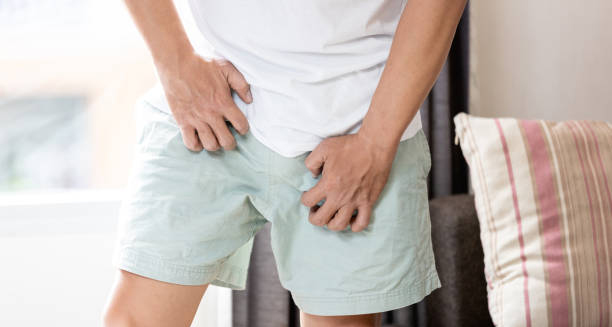
Man in discomfort holding groin area due to genital herpes symptoms

Genital Herpes

Genital Herpes Genital herpes is a common sexually transmitted infection (STI) caused by the herpes simplex virus (HSV). There are two main types of herpes simplex virus — HSV-1 and HSV-2 — and both can lead to genital herpes, although HSV-2 is more commonly associated with genital infections. HSV-1, typically known for causing cold sores around the mouth, can also cause genital infections through oral-genital contact. Globally, genital herpes affects hundreds of millions of people, with many not realising they carry the virus. It can lie dormant in the body for years without producing symptoms, which makes it highly transmissible. Some individuals may never experience a noticeable outbreak, while others have recurring symptoms ranging from mild discomfort to painful sores in the genital area. Despite its prevalence, genital herpes remains a condition surrounded by stigma and misinformation. In South Africa, where sexually transmitted infections are a public health concern, open discussion and accurate education about herpes are essential for reducing transmission and improving the lives of those affected. Understanding how the virus works, how it spreads, and how it can be managed is crucial for both prevention and emotional wellbeing. Understanding the Virus The herpes simplex virus enters the body through small breaks in the skin or mucous membranes. After the initial infection, it travels to nerve roots near the spine where it remains inactive, or “dormant,” for indefinite periods. The virus can become active again, particularly during times of stress, illness, or hormonal changes, leading to a new outbreak of symptoms. HSV is incredibly efficient at spreading. It can be transmitted during sexual contact with someone who has an active outbreak, but it can also be passed on even when there are no visible symptoms — this is known as asymptomatic shedding. This is one reason why genital herpes is so common despite efforts to practise safe sex. Who Is Affected? Anyone who is sexually active can contract genital herpes, regardless of age, gender, or sexual orientation. However, certain factors increase risk: Having multiple sexual partners Not using barrier protection such as condoms or dental dams Starting sexual activity at a young age Having another STI, which may weaken local immune defences Immunocompromised individuals (e.g., those with HIV) are more likely to experience severe or frequent outbreaks It’s also worth noting that women are biologically more susceptible to genital herpes than men, due to the nature of vaginal tissue and its higher vulnerability to micro-tears during intercourse. First Outbreak vs. Recurrences The first outbreak of genital herpes is usually the most severe. It typically occurs within two to twelve days after exposure and may involve: Painful sores or blisters in the genital or anal area Swollen lymph nodes Fever and flu-like symptoms Itching, burning, or tingling sensations before sores appear Difficulty urinating (especially in women) Subsequent outbreaks tend to be milder and shorter in duration. Some people may only have one or two outbreaks in their lifetime, while others may experience several a year. Emotional and Social Impact One of the most challenging aspects of genital herpes is the emotional toll it can take. People often feel shame, guilt, or anxiety upon diagnosis. Many worry about rejection from future partners or feel a sense of damaged self-worth. These feelings are common but can be managed with counselling, education, and supportive communication. It’s important to remember that genital herpes does not define a person’s value or desirability. With the right knowledge and approach, individuals with herpes can lead healthy, fulfilling lives — including satisfying sexual relationships and having children safely. Is It Curable? There is currently no cure for genital herpes, but antiviral medications can effectively control the condition. These treatments help: Shorten the duration of outbreaks Lessen the severity of symptoms Reduce the risk of transmission to sexual partners With proper management, most people with genital herpes experience long periods without symptoms and little disruption to their daily lives. Genital Herpes Understanding genital herpes as a manageable and common virus — rather than a moral failing — is key to reducing stigma and improving public health responses worldwide. [Next: Causes of Genital Herpes →]

Genital Herpes Read More »

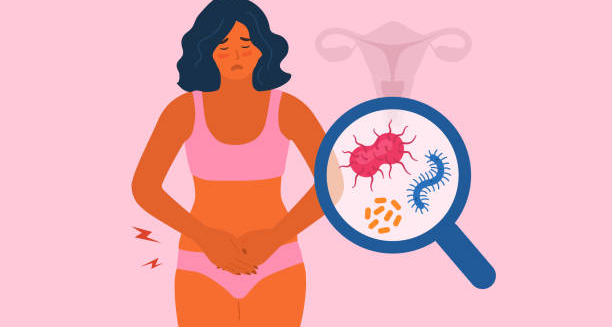
Illustration of woman with genital pain and magnified view of herpes virus

Causes of Genital Herpes

Causes of Genital Herpes The causes of genital herpes lie in the herpes simplex virus, a contagious infection that is spread primarily through skin-to-skin contact. Genital herpes is caused by two types of herpes simplex virus: HSV-1 and HSV-2. While traditionally HSV-1 is associated with oral herpes and HSV-2 with genital herpes, both types can infect either region of the body. Transmission Pathways Genital herpes is most commonly spread through: Vaginal, anal, or oral sex with someone who has the virus Skin-to-skin contact, particularly in areas not covered by a condom Kissing, in cases where HSV-1 is active in the mouth and spreads to the genitals during oral sex Touching sores or bodily fluids and then touching one’s own genitals, mouth, or eyes without washing hands Importantly, herpes can be transmitted even when there are no visible signs of infection. This is because the virus can shed from the skin intermittently, a process called asymptomatic viral shedding. This makes it difficult to prevent entirely without open communication and regular STI testing. Herpes is not spread through: Toilet seats Sharing towels or cutlery Swimming pools Casual contact like hugging or shaking hands Primary Infection and Latency When someone is first exposed to the herpes virus, they may develop a primary infection within days or weeks. This initial outbreak is often the most severe because the body has not yet built up immunity. However, some people have a completely silent first infection and only discover they have herpes when a later outbreak occurs. Once the virus enters the body, it travels through nerve pathways and remains in a dormant state in the nerve ganglia near the spinal cord. It can stay inactive for weeks, months, or even years. During periods of weakened immunity — such as illness, stress, menstruation, or fatigue — the virus can reactivate and cause another outbreak. Triggers for Recurrence While some people may only have one outbreak, others experience recurrences, especially during times of physical or emotional stress. Common triggers include: Stress or anxiety Illness or fever Hormonal changes, particularly around menstruation Friction or trauma to the affected area during sex Sun exposure, in cases of HSV-1 Fatigue or poor sleep Not everyone with genital herpes will experience regular flare-ups, and some may remain symptom-free for years at a time. The frequency and severity of recurrences tend to decrease over time, especially with good self-care and, in some cases, daily suppressive therapy. Risk Factors Certain individuals may be more prone to contracting genital herpes or experiencing severe symptoms. These include: People with multiple sexual partners Individuals who do not use condoms consistently Those with a weakened immune system, such as individuals living with HIV or undergoing chemotherapy People who began sexual activity at an early age Individuals with another sexually transmitted infection, which may create microtears or inflammation that facilitate viral entry Herpes in Pregnancy If a pregnant woman has genital herpes, particularly a first-time infection near the time of delivery, there is a risk of transmitting the virus to the baby during birth. This can lead to neonatal herpes, a rare but serious condition. In such cases, doctors may recommend a Caesarean section to reduce the risk of transmission. Women who already have a history of herpes prior to pregnancy generally have protective antibodies, which reduce the chance of transmission to the baby. Antiviral medication is often prescribed during the final weeks of pregnancy to prevent an outbreak at delivery. Misconceptions and Stigma One of the biggest challenges surrounding genital herpes is the misinformation that fuels stigma. People often wrongly believe: Causes of Genital Herpes In reality, herpes is extremely common, and many people carry the virus unknowingly. Anyone who is sexually active is at risk, and transmission can happen even with precautionary measures. Education and open conversations are vital in reducing shame and encouraging testing and disclosure. Understanding the causes of genital herpes enables individuals to make informed decisions about their sexual health and relationships. With accurate knowledge and proper precautions, transmission can be minimised, and those with the virus can live confidently and well. [Next: Symptoms of Genital Herpes→]

Causes of Genital Herpes Read More »

Woman experiencing genital discomfort possibly due to herpes

Symptoms of Genital Herpes

Symptoms of Genital Herpes The symptoms of genital herpes vary widely from person to person. Genital herpes may cause painful and noticeable outbreaks for some individuals, while others experience no symptoms at all. This variability can make the condition difficult to recognise, and many people may unknowingly carry and transmit the virus without ever realising it. Understanding the range of symptoms—both visible and invisible—is crucial for early detection, safe sexual health practices, and emotional reassurance. Symptoms can differ based on whether someone is experiencing a primary infection, a recurrence, or no outbreak at all. Primary Infection: The First Outbreak The first episode of genital herpes, known as the primary infection, is usually the most intense. It typically occurs within two to twelve days after exposure to the virus and can last anywhere from two to four weeks. During this period, the body has no existing antibodies to fight the virus, so the immune response tends to be more pronounced. Common symptoms of a primary outbreak include: Clusters of blisters or fluid-filled sores on the genitals, anus, inner thighs, buttocks, or surrounding areas Pain or burning while urinating, especially in women Itching, tingling, or discomfort in the area before the sores appear (known as a prodrome) Swollen lymph nodes in the groin Fever, chills, headache, or fatigue, mimicking flu-like symptoms In women, vaginal discharge and internal sores may also occur In men, sores may appear on the penis, scrotum, or urethral opening The blisters eventually burst and crust over, forming scabs that heal without leaving scars. However, during this healing phase, discomfort can be significant, particularly when urinating or engaging in any physical activity involving the pelvic area. Recurrent Outbreaks After the first outbreak, the herpes virus retreats to the nerves and enters a dormant phase. From there, it can periodically reactivate, causing new outbreaks. These recurrent episodes are usually shorter and milder than the primary infection, often resolving within 3 to 10 days. Symptoms of a recurrent outbreak may include: Redness, itching, or mild tingling in the area A small number of blisters or sores Slight swelling or sensitivity Occasionally, flu-like symptoms, though these are less common than during a primary outbreak Some people may experience frequent recurrences, particularly in the first year after infection. Others may have one outbreak and never experience another. Recurrence frequency often decreases over time, and antiviral medications can help reduce both the number and severity of episodes. Asymptomatic Shedding A significant challenge in controlling genital herpes lies in asymptomatic shedding. This refers to the release of the virus from the skin or mucous membranes without any visible symptoms. It’s possible to transmit herpes to a sexual partner even when there are no sores, redness, or discomfort present. Asymptomatic shedding is most common in the first year after infection and occurs more frequently in those who have regular outbreaks. However, it can also happen sporadically in long-term carriers of the virus who have never had a noticeable episode. This means that relying on the absence of symptoms as a sign of safety is not effective. Using condoms and suppressive antiviral medication are more reliable strategies for reducing transmission risk. Gender-Specific Symptoms Although symptoms of genital herpes are broadly similar across sexes, the experience may differ slightly due to anatomical differences. In Women: Sores may occur internally, such as inside the vagina or on the cervix, making them harder to notice More likely to experience burning during urination due to involvement of the urinary tract May develop pelvic pain or vaginal discharge during outbreaks In rare cases, sores can appear on the thighs, buttocks, or perianal area In Men: Sores are usually more visible, appearing on the shaft, glans, or scrotum May experience pain in the urethra or difficulty urinating Symptoms are often more localised but can still cause significant discomfort Psychological Symptoms Aside from physical discomfort, genital herpes can lead to intense emotional and psychological distress. People often report: Feelings of shame, guilt, or embarrassment Fear of rejection in romantic or sexual relationships Concerns about disclosure to partners Anxiety about recurring outbreaks or long-term health effects These feelings can be especially pronounced following the first outbreak. It’s important to seek psychological support if needed—counsellors, online support groups, and sexual health clinics offer non-judgemental spaces to discuss concerns. Complications from Symptoms Although complications from herpes are rare, they can include: Secondary bacterial infections of the open sores Urinary retention, particularly in severe cases in women Neonatal herpes, when the virus is transmitted to a baby during childbirth Increased risk of contracting or transmitting HIV, due to breaks in the skin and mucous membranes Symptoms of Genital Herpes Recognising the symptoms of genital herpes early and seeking appropriate treatment helps reduce severity, limit transmission, and improve emotional wellbeing. [Next: Diagnosis of Genital Herpes →]

Symptoms of Genital Herpes Read More »

Man discussing genital discomfort with a doctor during consultation

Diagnosis of Genital Herpes

Diagnosis of Genital Herpes The diagnosis of genital herpes is based on a combination of clinical assessment, symptom history, and laboratory testing. Genital herpes is often diagnosed during or shortly after an outbreak, but it can also be identified through routine STI testing or investigation of unexplained genital symptoms. Early and accurate diagnosis is crucial not only for symptom management but also for informing sexual partners and adopting protective measures. Clinical Assessment The first step in diagnosis is a detailed clinical examination, typically performed by a GP, gynaecologist, or sexual health specialist. The doctor will ask about: Symptoms and duration, including the appearance of sores, pain, or tingling Sexual history, including recent partners and use of protection Previous STI diagnoses, if any Other health conditions, such as HIV or autoimmune disorders Visible sores, blisters, or ulcers may be examined for characteristics typical of herpes, including their location, appearance, and stage of healing. While experienced clinicians can often make a visual diagnosis, lab tests are usually needed to confirm and identify the specific type of virus (HSV-1 or HSV-2). Laboratory Tests There are several diagnostic tests used to confirm genital herpes: 1. Viral Culture A sample is taken from a fresh sore (preferably within 48 hours of appearance) The sample is sent to a lab to check for HSV presence This test can distinguish between HSV-1 and HSV-2, but may miss older or healing sores 2. Polymerase Chain Reaction (PCR) Test A highly sensitive DNA test that detects HSV genetic material Can be performed on a lesion swab, urine sample, or even spinal fluid in rare systemic cases Preferred for its accuracy and ability to identify HSV type 3. Blood Tests (Serology) Detect HSV antibodies to determine if a person has been previously exposed Useful when no active sores are present or when evaluating a long-term unexplained condition Cannot determine the exact location of infection (oral or genital), only that exposure has occurred Blood tests are often used for asymptomatic individuals who have a partner with herpes or those planning a pregnancy. Diagnosing Asymptomatic Cases Some people learn they have genital herpes through routine testing or when a sexual partner is diagnosed. In these cases, if no sores are present, blood tests are the main diagnostic tool. However, because HSV is so widespread, a positive result may not indicate recent infection or predict future outbreaks. A diagnosis of genital herpes does not mean a person is contagious all the time. Many people have antibodies without symptoms, and the risk of transmission can be greatly reduced with medication and condoms. Importance of Type-Specific Testing Identifying whether a person has HSV-1 or HSV-2 is important for prognosis and partner discussions. HSV-1 generally causes fewer recurrences and is less likely to be transmitted genitally during sex, while HSV-2 is more prone to ongoing shedding and repeated outbreaks. Emotional Impact of Diagnosis Receiving a diagnosis of genital herpes can be overwhelming. Common emotional responses include: Shock, denial, or anger Anxiety about future relationships Concern about long-term health It is essential to remember that genital herpes is a manageable condition. With time, education, and support, most people come to terms with their diagnosis and go on to lead healthy, confident lives. When to See a Doctor Seek medical advice if you: Notice sores, ulcers, or blisters around the genital or anal area Experience burning or itching with no obvious cause Have a partner recently diagnosed with herpes Are pregnant and have a history of herpes Wish to be tested before starting a new relationship Prompt diagnosis allows for quicker symptom relief, lower transmission risk, and better peace of mind. Diagnosis of Genital Herpes The diagnosis of genital herpes should be viewed not as a life-altering sentence, but as a step toward understanding your health, protecting your partners, and taking control of your wellbeing. [Next: Treatment of Genital Herpes→]

Diagnosis of Genital Herpes Read More »

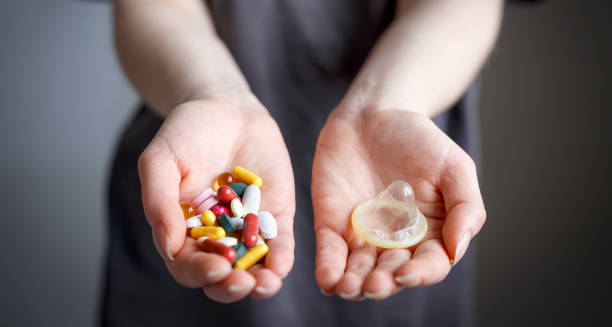
Hands holding antiviral pills and a condom for genital herpes treatment

Treatment of Genital Herpes

Treatment of Genital Herpes The treatment of genital herpes focuses on managing symptoms, speeding up the healing of outbreaks, reducing the frequency of recurrences, and lowering the risk of transmission. While there is currently no cure for genital herpes, effective treatments are available that help individuals live comfortably and confidently with the condition. Understanding treatment options empowers people to take control of their health, minimise disruptions to their daily life, and maintain healthy relationships. Antiviral Medications Antiviral medicines are the primary form of treatment. They do not remove the herpes virus from the body, but they stop it from multiplying, thereby: Shortening the duration of an outbreak Reducing the severity of symptoms Helping sores heal faster Lowering the likelihood of transmission to partners Common Antiviral Drugs: Aciclovir (Acyclovir) – most widely used; available in tablets, cream, and intravenous forms Valaciclovir (Valacyclovir) – often preferred for its twice-daily dosing Famciclovir – less common but similarly effective These medications are most effective when taken as soon as the first signs of an outbreak (tingling, itching, or burning) appear. Treatment Approaches There are two main approaches to managing genital herpes with antivirals: 1. Episodic Treatment Taken at the onset of an outbreak, usually for 5–10 days Reduces the length and severity of symptoms Works best when started early, ideally during the prodromal phase (before sores emerge) 2. Suppressive Treatment Taken daily over a long period, even when no symptoms are present Recommended for: People with frequent or severe recurrences Individuals in serodiscordant relationships (where one partner has herpes and the other does not) Those with weakened immune systems Suppressive therapy can reduce recurrence by up to 80% and lowers asymptomatic viral shedding This daily regimen is safe for long-term use and significantly improves quality of life for those with chronic symptoms. Pain and Symptom Relief During an outbreak, especially a first episode, symptoms can be painful and disruptive. Additional strategies include: Warm salt baths to soothe sores and keep the area clean Applying ice packs (wrapped in a cloth) to reduce swelling and numb discomfort Wearing loose-fitting cotton underwear to reduce friction Avoiding harsh soaps, perfumes, or bubble baths around the affected area Taking pain relief, such as ibuprofen or paracetamol Good hygiene is vital. Keep sores clean and dry, and wash hands thoroughly after touching the area to prevent spreading the virus to other parts of the body, such as the eyes. Emotional and Psychological Support Many people find that the emotional impact of a genital herpes diagnosis is more difficult to manage than the physical symptoms. Common emotional responses include: Embarrassment or shame Anxiety about rejection or future relationships Fear of being judged by partners or peers Support resources can play a significant role in adjusting to life with herpes: Counselling or therapy for individuals or couples Online support groups and forums Educational materials from reliable sources such as sexual health clinics or NGOs Understanding that herpes is common, manageable, and does not define a person is crucial in reducing stigma. Partner Communication Talking to a partner about genital herpes can be daunting, but honesty is essential for: Building trust Protecting both parties Making informed decisions about intimacy Timing and tone matter — choose a private, calm setting and provide accurate information. Many people are more understanding than expected, especially when you can explain what herpes is, how it’s managed, and how you plan to prevent transmission. Preventing Transmission Even when asymptomatic, the virus can still be passed on. Risk-reduction strategies include: Using condoms or dental dams during sexual activity Taking suppressive antiviral medication, especially when in a long-term relationship with someone who is not infected Avoiding sexual contact during outbreaks, even if symptoms are mild Getting tested together, especially when entering a new relationship While no method offers 100% protection, combining strategies significantly lowers the chances of transmission. Herpes and Pregnancy Pregnant individuals with genital herpes should inform their healthcare provider early in pregnancy. Most women with a history of herpes have antibodies that protect their baby. However, primary infections during the third trimester carry a higher risk of neonatal herpes. To manage this: Antiviral medication may be prescribed in the final weeks to prevent outbreaks If an outbreak occurs during labour, a Caesarean section may be recommended Open communication with a midwife or obstetrician ensures both mother and baby remain safe and supported. Treatment of Genital Herpes The treatment of genital herpes is not just about managing symptoms — it’s about restoring confidence, improving relationships, and promoting sexual health with accurate information and compassion. [Next: Complications of Genital Herpes →]

Treatment of Genital Herpes Read More »

Man looking into pants with question marks symbolising genital herpes complications

Complications of Genital Herpes

Complications of Genital Herpes The complications of genital herpes are rare but can be serious when they do occur. Genital herpes, when properly managed, is a relatively mild condition for most people. However, if left untreated or if the immune system is compromised, the virus can lead to additional health issues — both physical and emotional. Understanding potential complications reinforces the importance of early diagnosis, appropriate treatment, and ongoing self-care. Secondary Infections Open sores from herpes are vulnerable to bacterial infections, particularly in individuals with poor hygiene or a weakened immune system. These secondary infections may cause: Increased pain and swelling Delayed healing Pus or discharge from sores Fever or red streaks near the affected area Mild bacterial infections can usually be treated with topical or oral antibiotics. In rare cases, they may require further medical attention. Urinary Retention In severe outbreaks — especially during the primary infection — some individuals may experience urinary retention due to swelling, pain, or lesions near the urethra. This is more common in women and can lead to: Incomplete emptying of the bladder Painful urination A need for catheterisation if the bladder becomes overly distended Prompt medical support is crucial to prevent further complications such as bladder infections. Proctitis and Rectal Inflammation Individuals who engage in receptive anal intercourse may experience inflammation of the rectum, known as herpetic proctitis. Symptoms include: Rectal pain or itching Mucus discharge Bleeding during bowel movements A sensation of fullness or pressure This complication is more commonly associated with HSV-2 and may occur without external genital sores. Antiviral medication helps resolve symptoms quickly. Neonatal Herpes One of the most serious complications is neonatal herpes, a rare but potentially life-threatening condition that occurs when a baby is exposed to HSV during childbirth. Risk factors include: A first-time genital herpes infection in the third trimester Active sores at the time of labour Prolonged rupture of membranes Neonatal herpes can affect the baby’s skin, eyes, brain, or other organs. To prevent this: Pregnant individuals with known herpes may take suppressive antivirals from 36 weeks onward If active lesions are present during labour, a C-section is often recommended With proper antenatal care, the risk of neonatal herpes is extremely low. Psychological and Social Impact The emotional toll of herpes can be long-lasting if not addressed. People may experience: Chronic anxiety about future outbreaks or disclosure Depression or feelings of worthlessness Avoidance of intimacy or dating Social withdrawal due to perceived stigma This emotional burden can affect mental health, work performance, and personal relationships. Access to counselling, education, and peer support groups can help individuals rebuild confidence and self-image. Increased Risk of HIV Research shows that people with genital herpes are at higher risk of contracting HIV if exposed. This is due to: Open sores or micro-tears, which make it easier for HIV to enter the bloodstream The presence of inflammatory cells that attract HIV Increased viral shedding during outbreaks This underscores the importance of consistent condom use, STI testing, and suppressive therapy in managing sexual health. Herpetic Whitlow and Eye Infections In rare cases, herpes can spread from the genitals to other parts of the body through direct contact. These complications include: Herpetic whitlow – a painful finger infection caused by autoinoculation (touching a sore and then touching a broken area on the finger) Herpes keratitis – an infection of the eye, potentially leading to vision problems if not treated early Good hygiene, especially handwashing after touching sores, reduces the risk of these secondary issues. Long-Term Outlook For most individuals, genital herpes becomes less disruptive over time. Outbreaks may decrease in frequency, and the emotional distress associated with the condition tends to improve as people gain knowledge and confidence in managing it. Suppressive therapy, lifestyle changes, and emotional support allow people with herpes to: Maintain healthy sexual relationships Have children safely Live full, empowered lives Complications of Genital Herpes Recognising and addressing the complications of genital herpes enables early intervention, prevents escalation, and encourages a compassionate, stigma-free approach to sexual health. [Next: Back to Overview →]

Complications of Genital Herpes Read More »

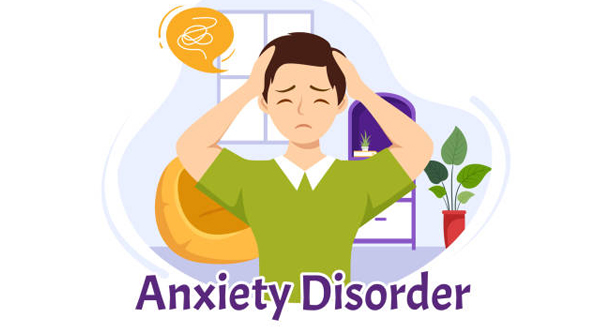
Illustration of a man with hands on head showing signs of generalised anxiety disorder

Generalised Anxiety Disorder

Generalised Anxiety Disorder Generalised anxiety disorder is a long-term mental health condition characterised by persistent, excessive, and often uncontrollable worry about various aspects of daily life. People with generalised anxiety disorder find themselves frequently overwhelmed by anxious thoughts, even in the absence of specific triggers. Unlike occasional worry that comes and goes with stressful situations, this condition creates a constant sense of dread, tension, and fear that interferes with work, relationships, and general wellbeing. Everyone experiences anxiety from time to time — it’s a normal human response to uncertainty or potential threat. However, when this anxiety becomes chronic and disproportionate. Affecting someone on most days for at least six months, it may be diagnosed as generalised anxiety disorder (GAD). This condition is one of the most common anxiety disorders globally and affects millions of people, including both adults and children. It often coexists with other mental health conditions, such as depression or panic disorder, making diagnosis and treatment more complex. People with GAD often describe their anxiety as free-floating. Rather than focusing on a single issue, they worry about a wide range of topics, including finances, family, work, health, relationships, and even global events. They may wake up feeling tense or find it difficult to relax throughout the day, even when everything around them appears calm. Living With Uncertainty A key feature of generalised anxiety disorder is intolerance of uncertainty. Many individuals struggle with “what if” scenarios, continually imagining worst-case outcomes for even minor issues. This need for reassurance and predictability can lead to avoidance behaviours, repetitive checking, and over-preparation — all in an effort to manage or eliminate perceived threats. Unfortunately, these behaviours tend to reinforce the anxiety rather than relieve it. How It Feels The emotional toll of generalised anxiety disorder can be profound. People often report feeling constantly “on edge,” as if something bad is about to happen. This state of heightened alertness makes it difficult to concentrate, engage socially, or sleep well. Over time, chronic anxiety can lead to fatigue, irritability, and physical symptoms such as muscle tension, gastrointestinal problems, and headaches. Family and friends may not always understand what someone with GAD is going through. Because the anxiety is often internalised and not based on obvious dangers, it can be mistaken for being overly sensitive, dramatic, or even irrational. This can cause individuals with GAD to withdraw or feel isolated, further compounding their distress. Prevalence and Impact Generalised anxiety disorder is one of the most prevalent mental health conditions in the world. In the UK alone, it is estimated that over 6% of people will experience GAD at some point in their lives, with women being more likely than men to be affected. It often begins in adolescence or early adulthood, but it can develop at any age. Without treatment, the condition may persist for years, fluctuating in intensity and occasionally being misdiagnosed as physical illness due to the wide range of symptoms. Generalised Anxiety Disorder While the exact cause of GAD is unknown, research suggests a combination of genetic, biological, environmental, and psychological factors. Understanding these causes is key to identifying those at risk and developing effective treatment strategies. [Next: Causes of Generalised Anxiety Disorder →]

Generalised Anxiety Disorder Read More »

Scroll to Top