Mental Matters

Health Conditions

Find information on various health conditions affecting people of all ages. This category covers causes, symptoms, diagnosis, and management options for physical illnesses and chronic diseases. Get insights to help you understand different health challenges and make informed decisions about your wellbeing.

Complications of Gender Dysphoria

Complications of Gender Dysphoria

Complications of Gender Dysphoria The complications of gender dysphoria are largely driven by social stigma, lack of access to care, and prolonged distress. Gender dysphoria itself is not dangerous—but when left unrecognised or unsupported, it can lead to serious mental health and quality-of-life issues. Mental Health Risks People with untreated or unsupported gender dysphoria are at increased risk of: Depression and anxiety Social isolation or withdrawal Self-harm and suicidal thoughts Substance misuse as a coping mechanism Eating disorders, particularly among adolescents These complications are not inherent to being transgender or gender-diverse—they are linked to rejection, discrimination, and internalised stigma. Delayed Access to Care Long waiting lists, medical gatekeeping, or lack of provider training can delay treatment Individuals may resort to unsafe alternatives, such as unregulated hormones or body modification This increases the risk of medical complications, including cardiovascular or liver issues from unsupervised hormone use Discrimination and Violence Trans and gender-diverse individuals face higher rates of: Bullying and harassment in schools or workplaces Housing or employment discrimination Hate crimes and physical violence, particularly against trans women and people of colour These experiences can compound emotional distress and reduce access to safe environments. Impact on Relationships and Education Gender dysphoria may disrupt family dynamics, especially where there is lack of understanding School or workplace attendance may suffer due to discomfort, misgendering, or fear of rejection Youth may face barriers to completing education or maintaining social connections Physical Health Issues Chronic stress linked to gender dysphoria may affect: Sleep and immune function Appetite and weight Management of chronic conditions like diabetes or high blood pressure Access to gender-affirming healthcare improves both physical and emotional health. Protective Factors Supportive families and communities Access to gender-affirming care Legal recognition and workplace inclusivity Education and advocacy that reduce stigma Complications of Gender Dysphoria Preventing the complications of gender dysphoria involves fostering respect, improving access to affirming services, and promoting acceptance in both healthcare and society. [Next: Back to Overview →]
Complications of Gender Dysphoria Read More »

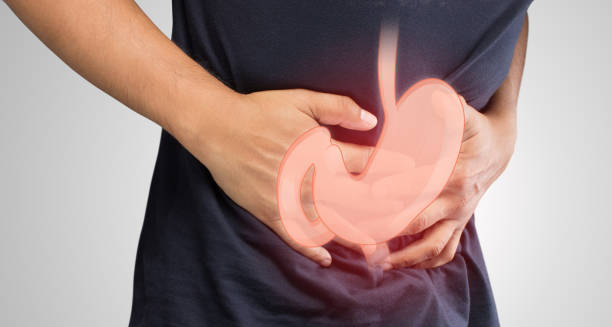
Person clutching stomach with illustrated digestive system overlay indicating stomach discomfort

Gastroparesis

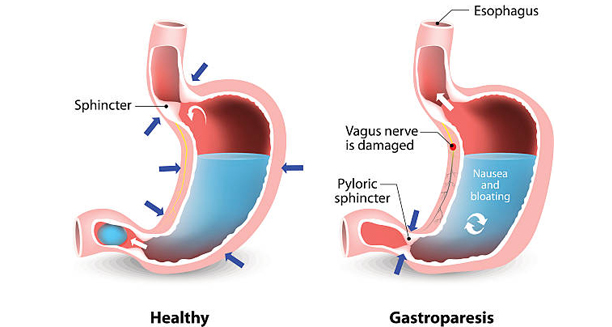
Gastroparesis This condition, gastroparesis is a chronic digestive condition where the stomach muscles do not function properly, causing delayed emptying of food into the small intestine. This condition does not involve a blockage but rather results from impaired movement (motility) in the stomach, leading to symptoms such as nausea, bloating, vomiting, and early satiety. The stomach normally contracts to push food through the digestive tract. In people with gastroparesis, this movement is slowed or absent due to nerve or muscle dysfunction—most commonly involving the vagus nerve. This delay in gastric emptying causes food to remain in the stomach for too long, creating discomfort and nutritional issues. Gastroparesis This conditioncan affect anyone, but it is more common in women and individuals with long-standing diabetes. The condition can range from mild to severe, with symptoms that interfere with eating, digestion, and quality of life. While it is not curable, many people manage the condition through dietary changes, medication, and sometimes surgical intervention. Early recognition and personalised treatment are essential for improving symptoms and preventing complications of gastroparesis. [Next: Causes of Gastroparesis →]

Gastroparesis Read More »

Medical illustration comparing a healthy stomach to one with gastroparesis highlighting vagus nerve damage

Causes of Gastroparesis

Causes of Gastroparesis Gastroparesis occurs when the stomach’s normal muscle or nerve function becomes disrupted, preventing food from moving efficiently through the digestive tract. This dysfunction stems from various underlying conditions, each affecting the digestive system in different ways. Diabetes Among all known causes, diabetes stands out as the most common contributor to gastroparesis. Over time, persistently high blood sugar levels can damage the vagus nerve, which plays a crucial role in triggering the stomach’s muscle contractions. As the nerve weakens, stomach motility slows down significantly. In addition to nerve damage, high blood sugar levels interfere with the body’s digestive hormones, further hindering the emptying process. People with poorly controlled type 1 or type 2 diabetes are especially at risk. Idiopathic (Unknown Cause) In many instances, no identifiable cause is found, which leads to a diagnosis of idiopathic gastroparesis. Even though the exact trigger remains unclear, experts suspect that subtle nerve damage, autoimmune responses, or even lingering effects from viral infections could be responsible. Unfortunately, without a clear origin, treatment often focuses solely on managing symptoms. Post-Surgical Nerve Injury Certain surgical procedures can inadvertently damage the nerves responsible for stomach function. For example, operations involving the stomach, oesophagus, or adjacent organs may lead to gastroparesis if nerves such as the vagus nerve are affected. This scenario is especially common following surgeries like bariatric surgery, vagotomy, or fundoplication, where the risk of nerve disruption is significantly higher. In such cases, gastroparesis symptoms may appear after the body heals from surgery. Neurological and Autoimmune Disorders Several neurological and autoimmune conditions interfere with the stomach’s ability to function normally. These include: Each of these disorders impairs either the nerve signals or muscle responses required for proper digestion, often leading to chronic delays in gastric emptying. Viral Infections Sometimes, gastroparesis develops after a viral illness. Infections such as Epstein-Barr virus, cytomegalovirus, or rotavirus have been linked to either temporary or long-term digestive disruptions. Some individuals begin experiencing symptoms only after recovering from a stomach bug or respiratory infection, suggesting a post-viral onset of the condition. Medications Certain medications are known to slow down gastric emptying, particularly: In drug-induced cases, stopping or replacing the medication often leads to noticeable improvement. Therefore, identifying and addressing medication-related triggers is a key step in managing gastroparesis effectively. Causes of Gastroparesis Gaining a deeper understanding of what causes gastroparesis is essential for developing the most effective treatment plan. By identifying the underlying trigger—whether it’s diabetes, nerve damage, medication, or an unknown factor—healthcare providers can tailor interventions that not only relieve symptoms but also address the root cause. [Next: Symptoms of Gastroparesis →]

Causes of Gastroparesis Read More »

Woman sitting on the floor with her hand on her stomach, showing signs of abdominal discomfort

Symptoms of Gastroparesis

Symptoms of Gastroparesis The symptoms of gastroparesis are caused by delayed stomach emptying, which leads to a build-up of food and gastric secretions. Gastroparesis symptoms often fluctuate and can become worse after meals, making it difficult for people to eat normally or maintain adequate nutrition. Common Digestive Symptoms Nausea and vomiting – especially after eating Bloating and abdominal fullness Early satiety – feeling full after only a few bites Upper abdominal pain or discomfort Loss of appetite Vomiting may include undigested food from previous meals, as the stomach retains contents for longer than normal. Additional Signs Heartburn or acid reflux Fluctuations in blood sugar levels, especially in diabetics Weight loss, due to poor food intake or malnutrition Dehydration, in cases with frequent vomiting Fatigue or low energy, often from inadequate calorie and nutrient absorption Symptom Triggers Large or high-fat meals High-fibre foods that are harder to digest Eating quickly or lying down soon after eating Stress or fluctuating blood glucose levels in diabetic patients Symptom Severity Some people experience mild symptoms that are manageable with diet changes Others may have severe, persistent nausea and vomiting, requiring medical treatment or feeding tubes Symptoms may also come and go, with flare-ups triggered by illness, stress, or dietary slip-ups When to Seek Medical Advice If nausea, vomiting, or bloating lasts longer than a few days In cases of unexplained weight loss or poor appetite If you have diabetes and are experiencing unstable blood sugar despite treatment When symptoms interfere with daily activities or cause emotional distress Symptoms of Gastroparesis Recognising the symptoms of gastroparesis early allows for quicker diagnosis and treatment, which may prevent long-term complications like malnutrition, severe dehydration, or impaired blood sugar control. [Next: Diagnosis of Gastroparesis→]

Symptoms of Gastroparesis Read More »

Medical professional holding a stomach model and pointing with a tool

Diagnosis of Gastroparesis

Diagnosis of Gastroparesis The diagnosis of gastroparesis involves ruling out other gastrointestinal conditions and confirming delayed stomach emptying. Because gastroparesis shares symptoms with many other digestive disorders, it often requires a structured approach, including symptom history, blood tests, and imaging studies. Medical History and Physical Exam A thorough clinical evaluation includes: Discussion of symptoms, triggers, and timing—particularly in relation to meals Review of medical history, such as diabetes, recent infections, or surgeries Assessment of weight loss, bloating, or nutritional status Physical exam to check for abdominal distension or tenderness This initial consultation helps determine whether further testing is needed. Blood Tests Complete blood count (CBC) – to check for anaemia or signs of infection Electrolytes and kidney function – to identify dehydration or imbalances Thyroid function tests – to exclude hypothyroidism Blood glucose and HbA1c – especially important in diabetic patients While blood tests do not confirm gastroparesis, they help rule out other causes of symptoms. Gastric Emptying Studies The most reliable test for diagnosing gastroparesis is the gastric emptying scan: The patient eats a small meal containing a safe radioactive marker A scanner measures how quickly food leaves the stomach over four hours Delayed emptying confirms the diagnosis A normal result excludes significant gastroparesis, while mild, moderate, or severe delay can guide treatment decisions. Other Diagnostic Tools 1. Endoscopy Used to rule out blockages, ulcers, or inflammation May reveal retained food in the stomach 2. Ultrasound or CT scan Helps rule out structural abnormalities, gallstones, or pancreatitis 3. Wireless Motility Capsule Swallowed like a pill, this device measures pressure, temperature, and pH throughout the digestive tract Offers a detailed profile of motility from stomach to colon Diagnosis of Gastroparesis A confirmed diagnosis of gastroparesis allows healthcare providers to tailor treatment plans that reduce symptoms and improve long-term digestion and quality of life. [Next: Treatment of Gastroparesis →]

Diagnosis of Gastroparesis Read More »

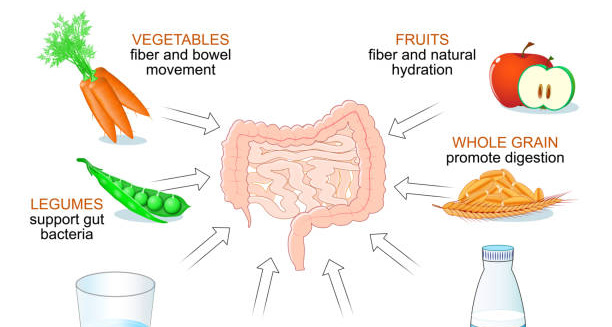
Diagram of digestive system showing dietary treatments for gastroparesis

Treatment of Gastroparesis

Treatment of Gastroparesis Treatment of Gastroparesis Effectively treating gastroparesis involves relieving symptoms, enhancing gastric emptying, and preventing malnutrition. Although there is currently no cure for gastroparesis, many individuals manage the condition successfully by combining dietary adjustments, medication, and, in more severe cases, surgical interventions. Dietary Modifications To begin with, changing eating habits is often the most immediate and effective strategy: Additionally, it helps to chew food thoroughly, eat slowly, and remain in an upright position for at least one hour after each meal. These practices can significantly aid in gastric movement and digestion. Medications When dietary changes alone are not enough, medications can provide added relief. Treatment typically involves a combination of the following drug types: Blood Sugar Control For those with diabetes, maintaining tight glycaemic control becomes especially important. Elevated blood sugar levels slow down gastric emptying even further. As a result, patients may need to adjust their insulin regimens. In many cases, using continuous glucose monitors and short-acting insulin can help stabilise blood sugar levels more effectively, which in turn helps improve digestive function. Surgical and Advanced Therapies If the condition does not respond to medications and dietary changes, more advanced treatment options may be necessary: Because these approaches are invasive, doctors usually reserve them for severe cases where symptoms significantly impact quality of life and other treatments have failed. Treatment of Gastroparesis Ultimately, treating gastroparesis requires a personalised, multidisciplinary approach. Patients often need ongoing adjustments to their treatment plan and regular communication between their dietitian, gastroenterologist, and endocrinologist. With the right support and management, many people with gastroparesis can lead more comfortable and nutritionally balanced lives. [Next: Complications of Gastroparesis →]

Treatment of Gastroparesis Read More »

Woman clutching her stomach due to complications from gastroparesis

Complications of Gastroparesis

Complications of Gastroparesis The complications of gastroparesis arise from long-term delays in stomach emptying, poor intake of nutrition, and unstable blood sugar levels. Gastroparesis can seriously affect quality of life and lead to a range of physical and emotional problems if not properly managed. Malnutrition The most common and serious complication Caused by: Reduced food intake due to nausea or being full too early Vomiting of food that did not digest properly Avoidance of ‘high calorie’ or ‘nutrient rich’ meals Leads to weight loss, muscle wasting, vitamin deficiencies, and general fatigue Dietary support and supplements may be necessary to maintain adequate nutrition. Severe Dehydration To vommit repeatedly causes loss of fluids and electrolytes Can lead to: Low blood pressure Dizziness or fainting Kidney strain or reduced kidney function IV fluid therapy is sometimes required during flare-ups. Uncontrolled Blood Glucose Particularly dangerous in patients with diabeties Delayed gastric emptying makes insulin timing unpredictable Leads to: Severe hypo- or hyperglycaemia Poor long-term diabetic control Greater risk of diabetic complications like neuropathy and eye disease Close coordination between diabetologists and gastroenterologists is essential. Bezoars Masses of undigested food that form in the stomach Can cause blockages, nausea, or infections May need to be removed endoscopically Bacterial Overgrowth Stagnant food in the stomach may encourage bacterial overgrowth Leads to further bloating, gas, and indigestion Antibiotics or probiotics may be prescribed to help balance gut flora. Emotional and Mental Health Effects Living with a chronic digestive disorder often causes: Depression and anxiety Social withdrawal or fear of eating in public Reduced enjoyment of food and daily activities Counselling and peer support groups may be helpful for emotional resilience. Reduced Quality of Life Ongoing fatigue, pain, unpredictable symptoms, and dietary restrictions significantly affect lifestyle People may struggle with work, travel, or social engagements Persistent gastroparesis may lead to feelings of hopelessness or loss of control Complications of Gastroparesis Addressing the complications of gastroparesis requires a holistic approach, focusing not only on symptom relief but also emotional well-being, nutrition, and long-term monitoring. [Next: Back to Overview →]

Complications of Gastroparesis Read More »

Woman clutching lower abdomen due to gastritis pain

Gastritis

Gastritis This condition, gastritis refers to inflammation of the stomach lining, which can occur suddenly (acute) or develop gradually over time (chronic). This condition may result in discomfort, bloating, nausea, or indigestion. While some cases are mild and short-lived, others can lead to serious complications if left untreated. The stomach lining protects the stomach wall from strong digestive acids. When acid weakens or damages the protective layer, it can irritate or erode the underlying tissue and cause inflammation. Common causes include infection with Helicobacter pylori (H. pylori), long-term use of non-steroidal anti-inflammatory drugs (NSAIDs), alcohol abuse, stress, and autoimmune disorders. Gastritis Most cases of gastritis respond well to treatment, particularly when the underlying cause is identified and addressed. However, persistent or untreated, this condition may lead to ulcers, bleeding, or an increased risk of stomach cancer. Recognising the signs of this condition early allows for timely intervention and long-term relief from symptoms. [Next: Causes of Gastritis →]

Gastritis Read More »

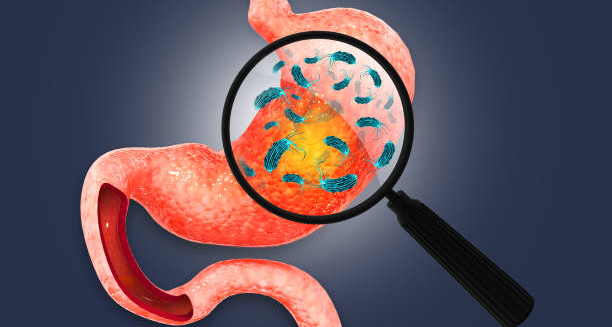
Bacterial infection in the stomach causing gastritis

Causes of Gastritis

Causes of Gastritis The causes of gastritis vary depending on the type and severity of inflammation. Gastritis usually results from damage to the stomach’s protective lining, often triggered by irritants, infections, or autoimmune activity. Understanding what causes gastritis helps in both prevention and targeted treatment. H. pylori Infection Helicobacter pylori is a spiral-shaped bacterium that infects the stomach lining It’s a leading cause of chronic gastritis worldwide Spreads through unclean food, water, or from one person to another contact Over time, H. pylori can weaken the mucosal barrier, causing inflammation and possibly ulcers Non-Steroidal Anti-Inflammatory Drugs (NSAIDs) Long-term use of NSAIDs like ibuprofen, naproxen, and aspirin can damage the stomach lining These medications interfere with prostaglandins, which help maintain the stomach’s protective layer The risk increases with higher doses or longer periods of use Alcohol and Smoking Excessive alcohol irritates the stomach lining and increases acid production Smoking slows the healing of the gastric mucosa and worsens existing inflammation Both are significant risk factors for chronic gastritis Stress-Related Gastritis Physical stress from major surgery, burns, or severe infections can cause acute gastritis Sometimes called “stress ulcers,” these occur when blood flow to the stomach lining is reduced Common in hospitalised or critically ill patients Autoimmune Gastritis The immune system mistakenly attacks the stomach’s parietal cells Leads to vitamin B12 deficiency and increased risk of pernicious anaemia Often associated with other autoimmune disorders like thyroid disease or type 1 diabetes Bile Reflux Occurs when bile flows back into the stomach from the small intestine This irritates the stomach lining and contributes to chronic gastritis May happen after gallbladder surgery or in people with gastrointestinal motility disorders Diet and Lifestyle Spicy foods and caffeine can worsen symptoms in some individuals, although they don’t directly cause gastritis Irregular eating habits, high stress, or skipping meals may also contribute to symptom flare-ups Causes of Gastritis Recognising the causes of gastritis enables healthcare providers to recommend effective lifestyle changes and treatment plans that reduce inflammation and promote healing. [Next: Symptoms of Gastritis →]

Causes of Gastritis Read More »

Woman holding stomach in pain from gastritis symptoms

Symptoms of Gastritis

Symptoms of Gastritis The symptoms of gastritis can range from mild discomfort to severe abdominal pain, depending on the cause and whether the condition is acute or chronic. Gastritis often mimics indigestion and may come and go, particularly when triggered by certain foods, alcohol, or medications. Common Symptoms Upper abdominal pain or burning – often described as gnawing or aching Nausea – may be worse after eating or first thing in the morning Bloating and fullness – especially after small meals Belching or hiccups Loss of appetite Indigestion – discomfort that feels like the food isn’t settling properly These symptoms may develop gradually or appear suddenly, particularly in acute cases caused by infections or NSAID use. Additional Symptoms Vomiting – sometimes containing blood (haematemesis) or material that resembles coffee grounds Black, tarry stools – may indicate internal bleeding Fatigue and weakness – particularly if gastritis leads to anaemia Unintentional weight loss – in more serious or long-term cases Not everyone with gastritis experiences obvious symptoms. In fact, chronic gastritis can remain silent for years, especially in older adults or people with H. pylori infection. Symptom Triggers Eating spicy, acidic, or fatty foods Drinking alcohol or caffeinated beverages Taking NSAIDs without food Emotional stress or physical illness Skipping meals or fasting Symptoms often improve with lifestyle changes and appropriate treatment, though persistent or worsening signs require further investigation. When to See a Doctor If symptoms last more than a week In cases of vomiting blood, black stools, or severe pain If you have a known H. pylori infection or long-term NSAID use When experiencing frequent indigestion, appetite loss, or unexpected weight changes Symptoms of Gastritis Identifying the symptoms of gastritis early helps reduce discomfort, prevent complications, and guide effective medical treatment. [Next: Diagnosis of Gastritis→]

Symptoms of Gastritis Read More »

Scroll to Top