Causes of Gallstones
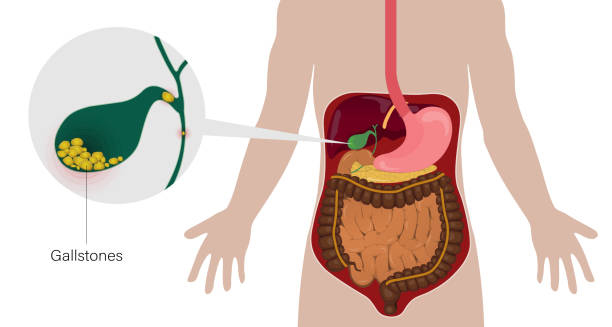
Causes of Gallstones The causes of gallstones involve an imbalance in the substances that make up bile, particularly cholesterol, bile salts, and bilirubin. Gallstones form when these substances become too concentrated and crystallise inside the gallbladder. Cholesterol Stones The most common type, especially in Western countries Caused when bile contains too much cholesterol, too little bile salts, or not enough fluid High-fat diets, obesity, and lack of physical activity can contribute to this imbalance Pigment Stones Made from excess bilirubin, a substance produced when the body breaks down red blood cells More common in people with: Liver disease Certain blood disorders like sickle cell anaemia Infections in the biliary system Sludge Formation Before actual stones develop, bile may become thick and form sludge—a precursor to gallstones. This often occurs: During rapid weight loss In people receiving intravenous feeding During pregnancy due to hormonal changes Risk Factors Gallstones are more likely in people who are: Over 40 years old Female – due to hormonal influences of oestrogen Overweight or obese Following a high-fat, low-fibre diet Living a sedentary lifestyle Other contributing factors include: Family history of gallstones Pregnancy Use of oral contraceptives or hormone replacement therapy Certain medical conditions like diabetes or Crohn’s disease Ethnicity and Geography Gallstones are more common in people of Native American, Hispanic, or South Asian descent Western dietary habits are associated with higher prevalence compared to other regions Causes of Gallstones Understanding the causes of gallstones allows at-risk individuals to take preventive steps—such as maintaining a healthy weight, eating a balanced diet, and staying active. [Next: Symptoms of Gallstones →]